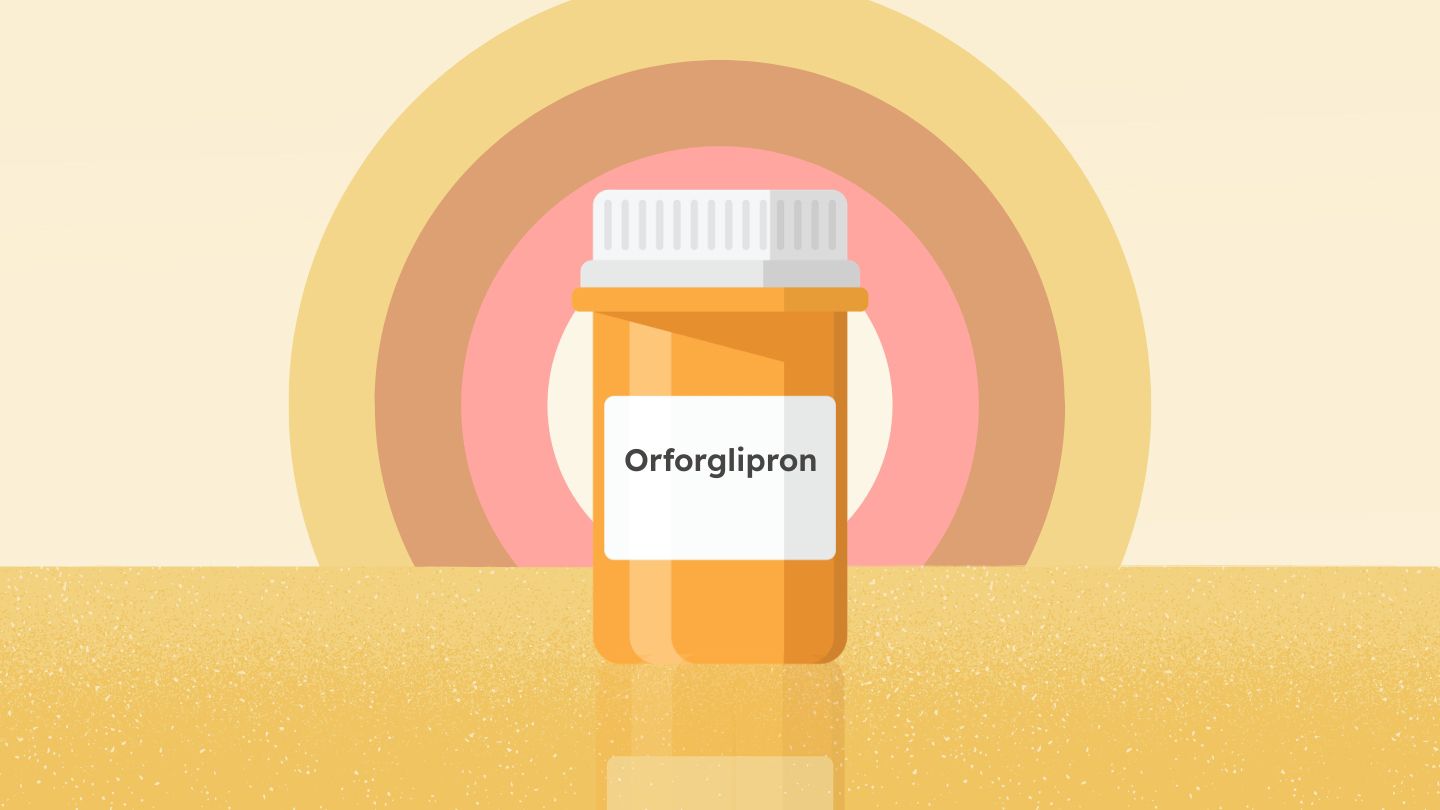
In the study, researchers randomly assigned about 1,700 adults with type 2 diabetes to one of two doses of the new GLP-1 tablet olforglipron or one of two doses of oral semaglutide. Oral semaglutide for diabetes is currently available under the brand name Rybelsus and is sometimes called Ozempic in tablet form.
At the start of the study, all participants were struggling to manage their diabetes, with an average blood sugar A1C level of 8.3 percent.
Participants who took high doses of orforglipron had an average 1.9 percent drop in A1C levels after one year, according to results reported by drug company Eli Lilly. Increasing the dose of oral semaglutide reduced A1C levels by 1.5 percent.
Additionally, the average participant’s weight at the start of the study was 214 pounds. In the end, those who took higher doses of orforglyprone lost nearly 18 pounds, about 8 percent of their starting body weight. People taking high doses of oral semaglutide lost an average of 11.5 pounds, or just over 5 percent of their starting body weight.
“So, just looking at efficacy, orforglipron appears to be better,” says Osama Hamdi, MD, associate professor at Harvard Medical School and medical director of the Obesity Clinical Program at the Joslin Diabetes Center in Boston.
Side effects caused more people to stop taking Orforglipron than rival pills
Lilly said the most common side effects for both GLP-1 tablets were gastrointestinal issues such as nausea, diarrhea, vomiting and indigestion.
However, in the new study, more patients discontinued treatment with orforglipron than oral semaglutide. At high doses of these drugs, nearly 10 percent of people taking orforglipron stopped treatment, compared to about 5 percent of people taking semaglutide.
Experimental tablets offer additional flexibility
One of the differences between these two GLP-1 pills has to do with meal timing.
According to Lilly, there are no restrictions on what you can eat or drink when taking Orforglipron.
However, people taking Lybellus should take it first thing in the morning, on an empty stomach, with a small amount of water. For it to be effective, do not eat, drink, or swallow any other tablets for the next 30 minutes.
“This makes it easier to take orforglipron,” says Melanie Jay, M.D., a professor at New York University’s Grossman School of Medicine and director of the NYU Langone Obesity Research Program in New York City.
In particular, patients taking multiple medications may have trouble managing when to take semaglutide tablets, and olforglipron is more convenient, says Marilyn Tan, MD, clinical professor at Stanford University School of Medicine and chief of the endocrinology clinic at Stanford Healthcare in California.
“Following a specific schedule for dosing various drugs can be cumbersome,” Dr. Tan says.
How GLP-1 drugs work on diabetes
Additionally, GLP-1 drugs increase the release of the hormone insulin in response to meals, which helps lower blood sugar levels. GLP-1 drugs also reduce levels of the hormone glucagon, which can increase blood sugar levels.
The goal for adults with type 2 diabetes is to have an A1C level below 7%. In this study, both the orforglipron dose and the high-dose semaglutide pill met this goal, while the low-dose semaglutide pill dose missed this goal by only 0.1 percent.
The new study results “further convince us that both orforglipron and semaglutide are excellent drugs for the treatment of type 2 diabetes,” says Beverly Chan, M.D., associate professor of clinical medicine in the Comprehensive Weight Management Center at Weill Cornell Medicine in New York City.
When will Orforglipron be released?
Lilly said it plans to apply to the U.S. Food and Drug Administration “as soon as possible” for approval of oorglipron as a diabetes treatment. The company is already seeking approval for Orforglipron for obesity, with a decision expected from the FDA this spring.