Diabetes affects millions of people around the world. This condition can occur at any stage of life and is primarily chronic.
According to the World Health Organization, an estimated 463 million adults had diabetes in 2019, which could rise to 700 million by 2045.
Type 2 diabetes is strongly correlated with obesity and physical inactivity and is the most common, accounting for 90-95% of all diabetes cases.
Diabetes is a widespread health problem worldwide, but diabetes and its complications can be managed. The best strategy for this is to change your diet and lifestyle.
Known for its diverse and rich culinary tradition, India is home to a variety of spices and herbs that offer unique health benefits.
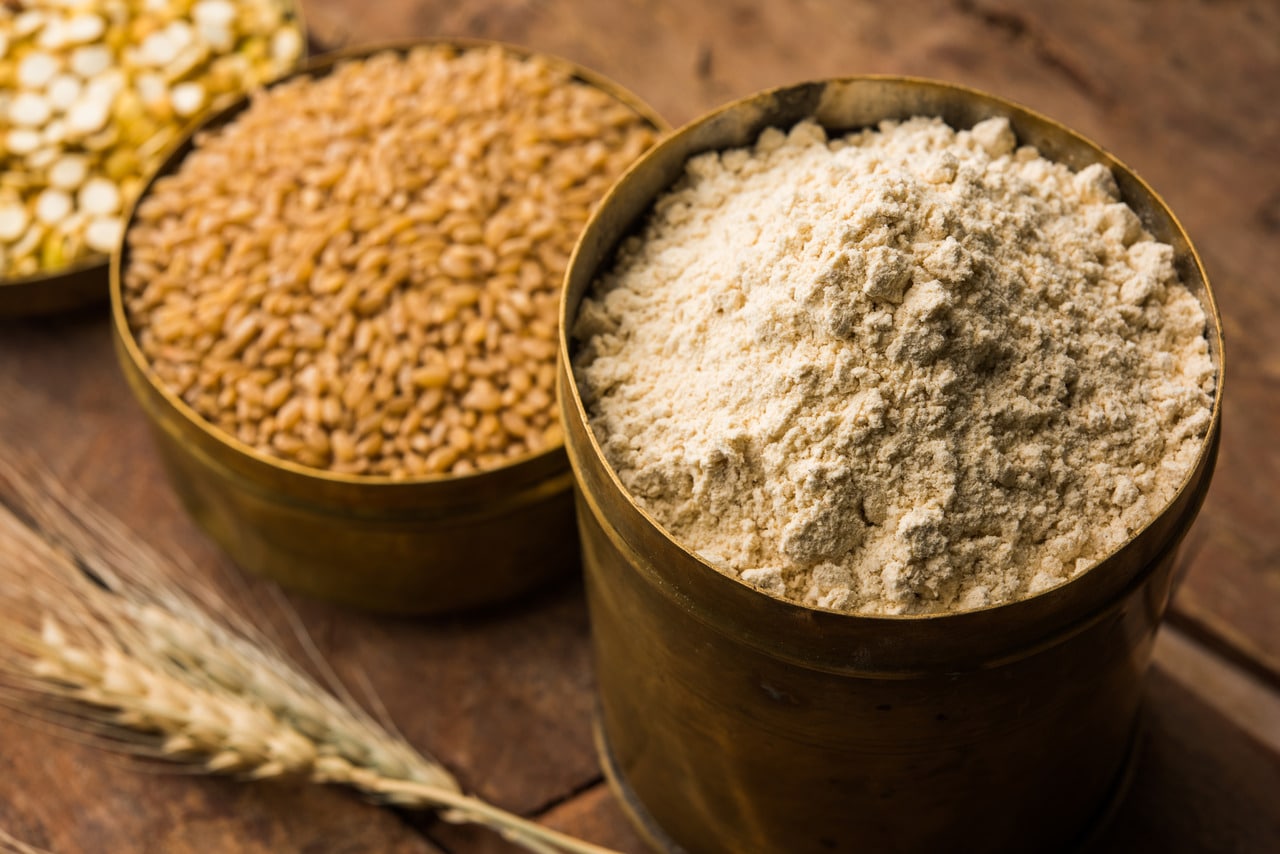
One example is sattu, a traditional Indian dish that is particularly beneficial for diabetics. This flour is usually made from roasted and ground chana dal (chickpeas) or barley and is a staple food in the eastern states of India, especially Bihar, Jharkhand and Uttar Pradesh.
This article explores the benefits of Satu for diabetics, including its nutritional value, glycemic index, and potential benefits.
We also discuss whether Satu is a good option for people with type 1 diabetes and provide an overview of the different ways of taking Satu in India.
Nutritional information of sats
Sats are a rich source of protein and fiber. Since Satu is made from grams, it contains higher protein levels than wheat flour.
That makes it an ideal choice for diabetics looking for a high-protein, low-carbohydrate alternative. In addition, satts contain various micronutrients such as iron, zinc, and magnesium.
Sats Glycemic Index
A food’s glycemic index (GI) is a measure of how quickly it raises blood sugar levels. Foods with a high GI value are absorbed quickly and cause a rapid rise in blood sugar levels, while foods with a low GI value are absorbed slowly and cause a gradual rise in blood sugar levels.
According to a study in the Home Science Journal, Gram Sats has an especially low GI of 28, making it an excellent choice for diabetics.
Benefits of sattu for diabetes
regulate blood sugar levels
As mentioned earlier, sattu flour is a low GI food. This means that blood sugar levels rise slowly and gradually, rather than suddenly. Therefore, it may be beneficial for diabetics as it prevents the negative effects of rapid changes in blood sugar levels.
weight management
Research shows that obesity is a significant risk factor for diabetes, so weight management is essential for people with diabetes.
Sats are a low-carbohydrate, high-protein food, making it an ideal choice for diabetics looking to manage their weight. Therefore, incorporating Satu in your diet helps in regulating weight and helps in managing diabetes.
Helps manage diabetes-related complications
One study shows that iron deficiency is common in people with diabetes. It can cause anemia and further worsen diabetes-related complications.
Therefore, it is essential to maintain healthy blood sugar levels and prevent anemia in diabetics. Fortunately, satz is beneficial as it is a good source of iron.
Reduces risk of cardiovascular problems
Experts believe that consuming satu powder may help reduce the risk of heart disease in diabetics. Sattu flour is rich in fiber and protein, which helps lower the risk of heart disease.
Research shows that foods rich in fiber and protein may help reduce your risk of cardiovascular problems. Therefore, diabetics should consider adding satz to their diet.
healthy notes
Sats has a low glycemic index, making it beneficial for diabetics. It’s also rich in fiber, protein, and antioxidants. These properties help regulate blood sugar levels and improve overall blood sugar control. However, it is important to note that satu should be consumed in moderation as part of a balanced diet.
Sats for type 1 diabetics
People with type 1 diabetes should consult a health care professional to determine their insulin dosage before incorporating Sats into their diet.
That’s because type 1 diabetes is an autoimmune disease in which the body’s immune system attacks and destroys the beta cells in the pancreas, which are responsible for producing insulin.
Insulin is a hormone that helps regulate blood sugar levels, and people with type 1 diabetes require insulin injections to manage their blood sugar levels. Therefore, the carbohydrate content of satts should be considered and the insulin dosage adjusted accordingly.
Sattu for Diabetes – Tolerance
Unfortunately, it is difficult to provide specific recommendations on how much satz a diabetic should consume.
It depends on several factors, including an individual’s blood sugar levels, overall diet, and insulin therapy. Therefore, it is best to consult a medical professional, such as a Healthify nutritionist. We take all of these factors into consideration to create a personalized meal plan for you to ensure you receive maximum benefits.
In general, people with diabetes should aim to eat a balanced diet that includes a variety of nutritious and processed foods that are low in added sugar.
Please note that while Satu has some potential benefits when consumed in moderation as part of a balanced diet, it cannot be used as a substitute for other essential foods.
Potential disadvantages of sats
Every food has its own advantages and disadvantages. Additionally, some foods keep you healthy while others don’t. That is, everyone’s body has a unique reaction to food. Therefore, in addition to knowing the benefits of Sattu, it is important to know the potential drawbacks.
Sattu flour has a relatively high sodium content. Therefore, excessive sodium intake can be harmful for diabetics, as it increases the risk of high blood pressure and can further worsen diabetes. Therefore, it is important for diabetics to monitor their sodium intake and consume sats in moderation.
Another potential downside to satz is that it is not gluten-free. Sattu flour is roasted and milled chana dal (split chickpeas) or barley, which contains gluten.
Gluten is a protein found in wheat, barley, and rye, making satz a poor choice for people with gluten sensitivities or celiac disease. Therefore, people with such sensitivities or celiac disease should avoid Sats.
Taking too much sats can also cause diarrhea, bloating, and gas.
healthy notes
Diabetes is now a chronic epidemic. There is no cure and no one can pinpoint the exact problem that causes this condition. Fortunately, people can protect themselves from diabetes and its subsequent complications through a healthy lifestyle. Healthify Pro 2.0 encourages users to be smart about their food and lifestyle choices, helping them achieve a more balanced, healthy and stress-free life. This app is a health guide that allows you to easily and safely check your blood sugar levels from the comfort of your home by counting carbohydrates.
conclusion
Sattu is a traditional Indian dish that has many health benefits. It is an excellent source of protein, fiber, and various micronutrients such as iron, zinc, and magnesium.
In addition, sattu has a low glycemic index, which helps manage blood sugar levels and weight, reducing the risk of heart disease and diabetes-related complications.
Type 1 diabetics can also consume Satu. However, it is important to consider the carbohydrate content of sattu and adjust the insulin dose accordingly. Indian recipes for diabetics that use sattu include sattu paratha, sattu drink, sattu laddoo.
research source
1. Sesson I, Salpea P, Maid B, Kaluanga S, Unwin N, Colagui S, Guaruata L, Motala Aa, Ogurtsova K, Shaw J, Bright D, Williams R; IDF Diabetes Atlas Committee. Global and regional diabetes prevalence estimates for 2019 and projections for 2030 and 2045: Results from the 9th edition of the International Diabetes Federation Diabetes Atlas. Diabetes treatment clinical practice. 2019 November;157:1 DOI: 10.1016/J.diabres.2019.1 EPU 2019 September 10. PMID: 31518657.
https://pubmed.ncbi.nlm.nih.gov/31518657/
2. International Journal of Family Science 2017; 3(1): 272-276
https://www.homesciencejournal.com/archives/2017/vol3issue1/PartE/3-1-66.pdf
3. Burns AS. Obesity and diabetes epidemics: trends and treatments. Tex Heart Inst J. 2011;38(2):142-4. PMID: 21494521; PMCID: PMC3066828.
https://www.ncbi.nlm.nih.gov/pmc/articles/PMC3066828/
4. Jéssica Barbieri, Paula Caitano Fontela, Eliane Roseli Winkelmann, Carine Eloise Prestes Zimmermann, Yana Picinin Sandri, Emanelle Kerber Viera Mallet, Matias Nunes Frizzo, “Anemia in patients with type 2 diabetes”, Anemia, vol. 2015, article ID 354737, page 7, 2015. https://doi.org/10.1155/2015/354737
https://www.hindawi.com/journals/anemia/2015/354737/
5. Rep. McRae. Dietary fiber is beneficial in preventing cardiovascular disease: A comprehensive review of meta-analyses. J Chiropractic Med. 2017 Dec;16(4):289-299. doi: 10.1016/j.jcm.2017.05.005. Epub 2017 10 25. PMID: 29276461; PMCID: PMC5731843.
https://www.ncbi.nlm.nih.gov/pmc/articles/PMC5731843/