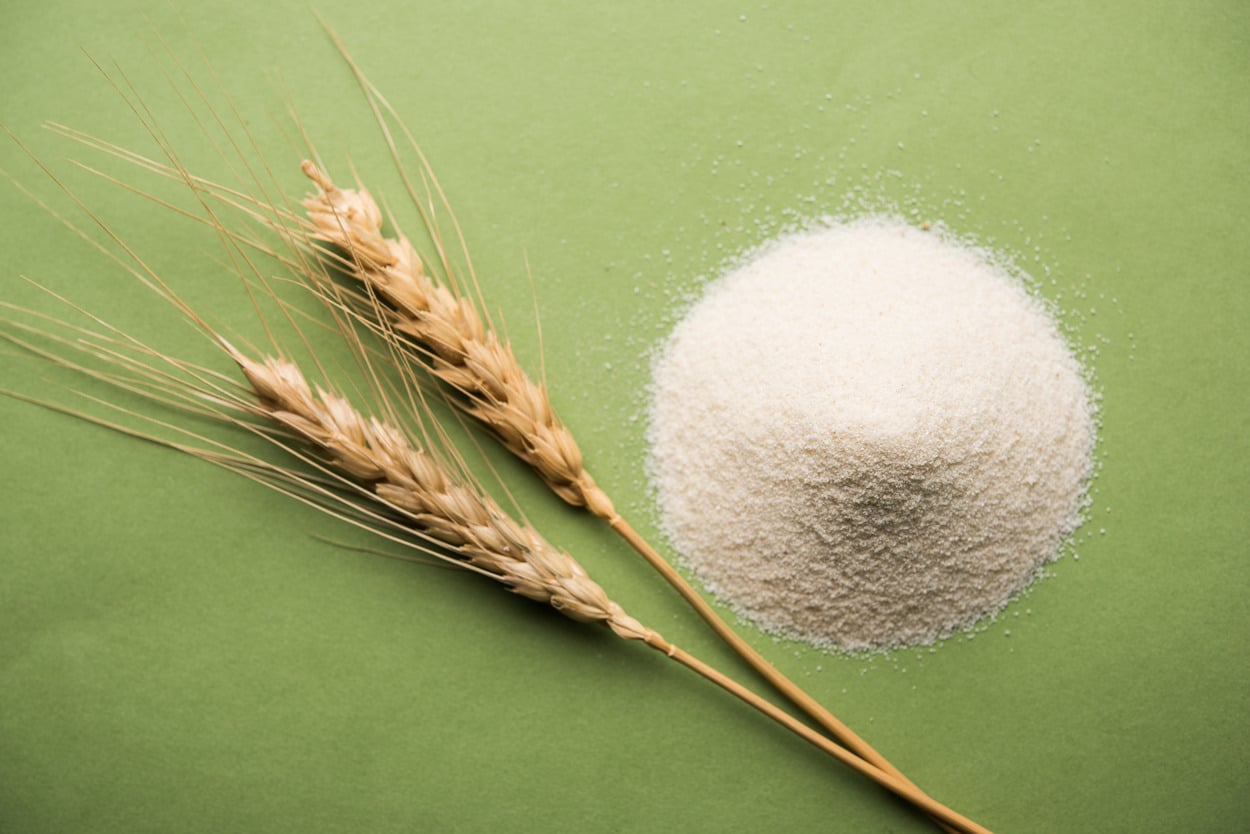
Rava, or semolina, is a popular ingredient in Indian cuisine. It is used to make various dishes like upma, idlis, sheera etc. Rava is known for its versatility and ability to add texture and flavor to any dish. In some parts of India, it is called rava. In others, it is known as suji.
Weight loss has become a priority for many people who are always looking for ingredients that will help them achieve their weight loss goals. Rava is a common ingredient in Indian households, so it’s natural for people to wonder if it’s suitable for a weight loss diet. In this article, we will discuss the advantages and disadvantages of having a rava. It also aims to determine whether it is a suitable ingredient for those who want to lose excess weight.
Lava: Overview
Rava, or semolina, is coarsely ground durum wheat that contains fiber and is rich in protein. Due to its moderate glycemic index and moderate glycemic load, moderate Rava intake is acceptable for people trying to lose weight. Rava has a slightly grainy texture and yellowish color and is enjoyed around the world as a versatile culinary grain. People use it to make various dishes such as pasta, cakes, pancakes, and porridge.
Rava is a nutritious ingredient that can be included in your weight loss diet. It is characterized by its low fat content and high satiety. This means you can stay fuller for longer. Additionally, rava is an excellent source of complex carbohydrates, which are essential for maintaining energy levels throughout the day. With its many health benefits, rava is a beneficial addition to any weight loss diet.
Mule nutritional profile
According to the USDA, unfortified semolina (Rava) contains the following nutrients:
- Energy: 360kCal
- Protein: 12.7g
- Total fat (fat): 1.05g
- Carbohydrate: 72.8g
- Dietary fiber, total meal amount: 3.9g
- Calcium: 17mg
- Iron: 1.23mg
- Magnesium: 47mg
- Phosphorus: 136mg
- Potassium: 186mg
- Folic acid: 72μg
Why is mule allowed in weight loss diets?
Rava may not contain a lot of fiber, but it still has many health benefits, making it a good ingredient in weight loss diets.
low fat
Rava is low in fat, making it an acceptable food for people who want to lose weight. Additionally, compared to other grains, rava has fewer calories per serving when compared to rice. For example, one serving of cooked rice has about 150 calories and one serving of cooked rava has about 120 calories.
Research shows that eating too much fat can lead to weight gain and health problems such as high cholesterol, heart disease, and diabetes. Therefore, choosing low-fat foods like rava can help you achieve your weight loss goals and improve your overall health.
high protein
Rava is also rich in protein, which helps build and repair tissues in the body. Protein is also important for maintaining muscle mass, keeping your metabolism high and aiding in weight loss. Rava contains about 12.7 grams of protein per 100 grams serving, which is higher than many other grains.
Research has shown that high protein foods are beneficial in weight loss diets.
high satiety value
Rava is highly satiating and can keep you feeling full for a long time. This property is beneficial for those trying to lose weight, as it helps reduce overall calorie intake throughout the day. Research shows that satiating foods can help you lose weight by reducing hunger and reducing your overall calorie intake.
complex carbohydrates
Rava is an excellent source of complex carbohydrates, which are essential to maintain energy levels throughout the day. According to the American Heart Association (AHA), complex carbohydrates take longer to digest than simple ones, so you feel fuller longer. The slow digestion of complex carbohydrates also helps avoid spikes in blood sugar levels that can negatively impact weight loss efforts.
micronutrients
Rava is rich in micronutrients such as iron, magnesium, and phosphorus that are essential for overall health. Iron helps produce red blood cells, and magnesium provides energy and maintains bone health. Phosphorus plays a role in maintaining healthy bones and teeth and is involved in many cellular processes in the body.
summary
Although rava may not contain a lot of fiber, it is still a nutritious ingredient to include in your weight loss diet. It is low in fat, high in protein, and satiating, making it an acceptable food for people who want to lose weight. Additionally, rava is rich in micronutrients such as iron, magnesium, and phosphorus that are essential for overall health.
Dietary strategies to add rava to your weight loss diet
As mentioned earlier, Rava will not help you lose weight on its own. However, there are ways you can use it to enhance your weight loss process. Here are some dietary strategies to incorporate Rava into your weight loss diet.
Replace unhealthy flour with rava
The main dietary strategy to incorporate Rava into your weight loss diet is to replace unhealthy, high-calorie flour with Rava. Many flours, such as all-purpose flour, wheat flour, and rice flour, are high in calories and carbohydrates. These flours are less satiating and can cause blood sugar spikes. Replacing these flours with Rava will reduce your calorie intake, increase satiety, and reduce snacking frequency.
Add vegetables to rava dishes
Adding vegetables to rava dishes increases the fiber and nutritional content of the meal, making it more filling and nutritious. For example, adding grated carrots, peas, and capsicum to rava upma provides vitamins, minerals, and antioxidants that help in weight loss. Similarly, adding spinach, onions and tomatoes to rava dosa increases the nutritional value of the dish.
Contains protein-rich ingredients
Protein is an essential nutrient that plays an important role in weight loss. Including protein-rich ingredients in rava dishes increases satiety and reduces hunger pangs. Paneer, tofu, lentils and bean sprouts are good protein sources for weight loss in addition to rava dishes. For example, adding paneer and vegetables to rava upma increases the protein and nutrient content of the meal.
limited portion size
Although rava is a healthy food, it is important to limit portions to avoid overeating. Consuming large amounts can lead to increased caloric intake, which can impede weight loss. Eating moderate portions of rava dishes along with a balanced diet is an effective way to incorporate rava into your weight loss diet.
summary
Incorporating Rava into your weight loss diet can be an effective way to enhance your weight loss process. For example, you can replace unhealthy flour with Rava, add vegetables to Rava dishes, include protein-rich ingredients, and limit portion sizes.
Healthy rava recipes for weight loss
Rava upma with vegetables
Servings: 2
Preparation time: 15 minutes
material
- Rava (semolina): 1 cup
- Water: 2 cups
- Oil: 1 tablespoon
- Mustard seeds: 1 teaspoon
- Cumin seeds: 1 teaspoon
- Urad dal: 1 teaspoon
- Chana Dal: 1 teaspoon
- Curry leaves: 5-6 pieces
- Green chili peppers: 2 (chopped)
- Onion: 1 medium (chopped)
- Carrot: 1 medium (grated)
- Green pepper: 1 medium (chopped)
- Salt: as desired
- Lemon juice: 1 tablespoon
- Coriander leaves: for decoration
Preparation method
- Heat oil in a pan and add mustard seeds, cumin seeds, urad dal and chana dal.
- Once the seeds start crackling, add the curry leaves, green chillies and chopped onions. Fry the onions until they become translucent.
- Add grated carrots and chopped bell pepper. Cook for 2-3 minutes.
- Add water and salt. Bring to a boil.
- Add the rava slowly, stirring continuously to avoid lumps. Boil on low heat for 5-7 minutes.
- Turn off the heat, add lemon juice and mix well. Garnish with coriander leaves and serve hot.
Rava Uttapam with paneer and vegetables
Servings: 2
Preparation time: 20 minutes
material
- Rava (semolina): 1 cup
- Curd: 1 cup
- Water: as needed
- Onion: 1 medium (chopped)
- Tomato: 1 medium (chopped)
- Green pepper: 1 medium (chopped)
- Paneer: 50 grams (crushed)
- Salt: as desired
- Red chili powder: 1/4 teaspoon
- Coriander leaves: for decoration
Preparation method
- Make a dough by mixing rava, curd and water in a bowl. Leave it on for 10 minutes.
- Add chopped onions, tomatoes, bell peppers and crushed paneer to the batter. Mix well.
- Add salt and red chili powder. Mix well.
- Heat a non-stick frying pan and spread a ladleful of batter on top. Fry on medium heat until the bottom is golden brown.
- Flip and cook the other side for 1 to 2 minutes.
- Repeat this process with remaining dough.
- Garnish with coriander leaves and serve hot.
Precautions when using Rava in a weight loss diet
Rava can be a healthy addition to your weight loss diet, but care must be taken when consuming it. Excessive consumption of rava can cause constipation, abdominal pain, and bloating. Additionally, people with celiac disease and non-celiac gluten sensitivities should avoid rava as it contains gluten, which can cause digestive problems. Therefore, when consuming rava, it is important to maintain balance to avoid overconsumption of this light component.
health suggestions
For a delicious and light breakfast option, try making rava pongal. To prepare this dish you will need moong dal, rava, curry leaves, cashew nuts, black pepper, turmeric and salt. First, boil the moong dal until it becomes soft. Next, heat oil in a kadai and add cumin seeds and roasted cashew nuts. Once the cashews are finished roasting, add the curry leaves, finely chopped ginger and black pepper. Then add water, salt and turmeric and bring to a boil. Then add rava and cook properly. Finally, mix it with boiled moong dal and enjoy a healthy and delicious rava pongal.
last word
Rava is a great food choice for weight loss as it is slowly digested and leaves you feeling full. It also contains vitamins and minerals, making it a nutritious meal. Rava is available for a variety of weight loss methods. This requires adjusting everything from grain types to vegetable assortments to suit your tastes and needs. However, relying solely on rava will not cause weight loss on its own. To get results, you need to follow a healthy lifestyle with proper exercise.
Disclaimer: The purpose of this article is solely to spread knowledge and raise awareness. It is not a substitute for professional medical advice.