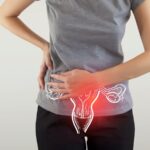
Imagine a fire burning within you. It’s not like you feel it, it’s like a slow burn. There is no fever, and there is no visible redness or swelling. It stays below the threshold of symptoms for years, even decades, silently eroding the tissues, blood vessels, and cells that keep you young. Scientists call this “inflammation” (a portmanteau of inflammation and aging), and it is widely recognized as an important biological process associated with many major age-related diseases, including heart disease, Alzheimer’s disease, type 2 diabetes, cancer, and sarcopenia.
The term was first coined by Italian immunologist Claudio Franceschi in 2000, and the science surrounding the term has expanded significantly since then. Inflammation is considered to be an increasingly serious problem. Core characteristics of aging (or “characteristic-related processes”)but more precisely described as: Poster and Amplifier There is no single root cause of all age-related diseases. Good news. Many studies have shown that regular physical activity, including short bursts of high-intensity exercise, can help regulate chronic inflammation.
#1
root cause
Inflammation is involved in multiple leading causes of death globally, but is not a single independent “root cause” category.
Over 30,000
participants
Covers large meta-analyses investigating exercise and systemic inflammation (aggregated samples vary by analysis)
70-90%
elderly
It is assumed that there is an increase in inflammatory markers with age (varies greatly depending on the biomarker and cutoff used)
Part 1: Understanding inflammation
What is inflammation — and why should we care?
Acute inflammation is your friend. When you cut your finger or fight a virus, your immune system goes into overdrive, deploying cytokines and immune cells to repair the damage and eliminate the threat. It’s fast, targeted, and, importantly, resolved. Inflammation burns hot, finishes its work and retreats.
Inflammation is the opposite. It is chronic, systemic, low-grade, and self-persistent. There are no wounds to heal, no pathogens to defeat. Instead, the immune system remains partially activated indefinitely, slowly and steadily releasing pro-inflammatory signaling molecules, mainly interleukin-6 (IL-6), tumor necrosis factor alpha (TNF-α), C-reactive protein (CRP), and interleukin-1β (IL-1β), without resolution of the response.
What feeds this slow burn? Researchers have identified several convergence mechanisms.
“Most older adults develop inflammation, a condition characterized by elevated levels of inflammatory markers that are associated with chronic disease and increased mortality.”
— Nature Reviews Cardiology (Libby et al.)
Diseases downstream of flames
Why is inflammation clinically important? Chronic inflammation is strongly associated with multiple diseases, including:
cardiovascular disease. Elevated CRP and IL-6 are associated with endothelial dysfunction and atherosclerosis.
Neurodegenerative diseases. Chronic neuroinflammation contributes to Alzheimer’s and Parkinson’s diseases, but the causal relationship is complex and bidirectional.
Metabolic disease. TNF-α and IL-6, although part of a broader metabolic network, contribute to insulin resistance.
sarcopenia and frailty. Elevated inflammatory markers are associated with muscle loss and decreased function.
cancer. Chronic inflammation is known to be a factor in tumor development, but its mechanism differs greatly depending on the type of cancer.
Biomarker basics
Inflammation is measurable. Ask your doctor about these key inflammatory markers in your next blood test:
- hsCRP (high sensitivity C-reactive protein): the goal <1.0 mg/L (低リスク); >3.0 mg/L = high risk of inflammation
- IL-6: Chronically elevated levels predict cardiovascular risk and functional decline
- TNF-α: Main factors of insulin resistance and muscle catabolism
- Fibrinogen: Acute-phase proteins that increase with systemic inflammation. Track your cardiovascular risk
Part 2: Muscles become medicine
myokine revolution
For decades, exercise has been viewed primarily as a calorie-burning, heart-strengthening activity. We now know it’s much more than that. Skeletal muscle, the body’s largest organ by mass, is also a powerful endocrine organ. When a muscle contracts, it releases a cascade of signaling proteins called myokines. And many of these myokines have strong anti-inflammatory effects directly.
The discovery that changed everything occurred in 2000, when Danish physiologist Bente Klarlund Pedersen identified interleukin-6 (IL-6) as the first myokine. What is surprising is that IL-6 released from contracting muscle tissue behaves quite differently than IL-6 released during infection or disease. Muscle-derived IL-6 actually has anti-inflammatory properties. This stimulates the production of IL-10 and IL-1 receptor antagonist (IL-1ra), both of which suppress pro-inflammatory cascades, but at the same time inhibit TNF-α production.
This distinction is very important. The same cytokines act as markers of inflammation when chronically elevated due to disease, and as anti-inflammatory agents when produced rapidly by muscle contraction. Exercise doesn’t just passively reduce inflammation. Actively deploy muscles as a biological pharmacy.
Evidence: Effects of exercise on inflammatory markers
The science here is solid now. A landmark 2025 meta-meta-analysis (a systematic review of 25 meta-analyses and systematic reviews involving a total of 30,017 participants) found that exercise interventions significantly reduced all three key markers of chronic systemic inflammation.
exercise effect
↓ Pool effect
−0.38
Why is it important?
CRP is a major clinical marker of cardiovascular inflammatory risk. CRP levels above 3 mg/L significantly increase the risk of heart attack, independent of cholesterol.
exercise effect
↓ Pool effect
−0.47
Why is it important?
Chronically elevated IL-6 causes endothelial dysfunction, insulin resistance, muscle wasting, and neuroinflammation.
exercise effect
↓ Pool effect
−0.43
Why is it important?
TNF-α is a major cytokine responsible for insulin resistance and is a major driver of the senescence-associated secretory phenotype (SASP).
A companion meta-analysis (Oxford University, 2025) specifically targeting older adults confirmed that circulating concentrations of CRP, TNF-α, and IL-6 all decreased in response to exercise intervention in the elderly population (the very population with the greatest inflammatory burden).
Another network meta-analysis of 123 randomized controlled trials investigated which exercise types were most effective on various inflammatory markers in people who were overweight or obese. This discovery was concrete and practical. HIIT (high-intensity interval training) had the greatest effect size for reducing IL-6, TNF-α, and increasing anti-inflammatory IL-10, whereas aerobic exercise had the most effect on CRP and adiponectin. Combined training had the most widespread benefits.
When muscles contract violently, they turn from tissue into drugs that release anti-inflammatory signals that circulate throughout the body and suppress the same cytokines that cause age-related diseases.
The question of intake: How much exercise is enough?
The most important questions for busy people are: Does exercise need to last for a long time to produce anti-inflammatory effects?A growing number of studies say no.
A 2023 Frontiers in Psychology meta-analysis (38 RCTs, 2,557 healthy participants) found that long-term exercise training significantly reduced IL-6, CRP, and TNF-α, subgroup analyzes revealed that moderate-intensity training showed a strong anti-inflammatory effect, and, importantly, that the reduction in CRP was actually attenuated at very high exercise intensities. This suggests that short but powerful microdosing sessions are in the anti-inflammatory sweet spot.
Another meta-analysis in older adults showed that just eight weeks of resistance training (just eight exercises performed at high intensity, just twice a week) produced the greatest reduction in CRP of any protocol tested. Both moderate and vigorous exercise reduce inflammation. Optimal results depend on consistency and total volume.
Exercise activates 5 biological pathways against inflammation
Part 3: The Zombie Cell Problem — and How Exercise Can Solve It
Senescent cells: the hidden structure of inflammation
Of all the factors that cause inflammation, senescent cells may be the most significant and the most interesting from a therapeutic point of view. When cells undergo DNA damage, telomere shortening, or oncogenic stress, many cells enter a state of permanent cell cycle arrest. They stop dividing and initially serve a protective anti-tumor function. However, they do not die by apoptosis, they live long lives, and they are never silent.
Senescent cells continuously secrete SASP, a complex mixture of proinflammatory cytokines (IL-1α, IL-6, IL-8, TNF-α), chemokines, matrix remodeling enzymes, and growth factors. Locally, SASP signals disrupt tissue structure and function. Systemically, it increases inflammatory markers throughout the body. And in a particularly brutal feedback loop, SASP signals can induce senescence in nearby healthy cells themselves, amplifying their dysfunction.
Senescent cells are rare in young tissues because the immune system efficiently removes them. As we age, the rate at which senescent cells form increases and the immune system’s ability to eliminate them decreases. The result is accumulation, which is directly correlated with disease burden, frailty, and mortality.
Exercise as a senolytic patient — the evidence
Can exercise actually eliminate senescent cells? The data is compelling:
Research Spotlight: Exercise Reduces Biomarkers of Cellular Aging in Humans
A groundbreaking study published in Aging Cell followed a 12-week graded strength and endurance training intervention (two days per week) in older adults. result:
- Expression of senescence markers p16 and p21 in circulating T cells was significantly and consistently decreased
- Components of the cGAS-STING pathway (including IFN-γ and TNF-α), which cause inflammation and enhance aging, were reduced
- Circulating SASP proteins including myeloperoxidase and serpin E1 (PAI-1) were reduced.
- Baseline SASP index predicted who responded to exercise intervention – those with higher senescent cell burden showed the greatest improvement in physical function
Source: Aging Cell (Dungan et al.). DOI: 10.1111/acel.13415
Another systematic review on exercise as a senolytic therapeutic agent confirmed that exercise can reduce markers of senescent cells in healthy humans, including the standard CDKIs p16 and p21. This is the same target pursued by pharmaceutical senolytics currently in clinical trials. Remarkably, HIIT specifically and significantly reduces markers of senescent cells, with the greatest effects seen in individuals with a high baseline aging burden, the very population that needs it most.
This mechanism involves an acute inflammatory response triggered by strenuous exercise. High-intensity activity recruits and activates macrophages and NK cells. This surge of immunity is temporary, purposeful, and self-resolving and is thought to enhance the immune system’s ability to identify and eliminate aging tissue. In contrast to the smoldering fire of inflammation, exercise generates controlled, targeted, beneficial pulses of inflammation that burn away debris.
Part 4: Microdosing Prescription
Simple, Powerful, Repeated — Anti-Inflammatory Formula
What does this research tell us about optimal anti-inflammatory exercise strategies? Three principles consistently emerge from the literature:
Intensity is more important than duration. HIIT and high-intensity resistance training are most effective in reducing IL-6, TNF-α, and eliminating senescent cell markers. This is why microfeeding fitness (short bursts of high intensity throughout the day) is physiologically well-suited for anti-inflammatory activity.
Frequency and consistency are more important than a single long session. Anti-inflammatory adaptation is a chronic response built by regular repeated stimulation of myokine release. Ten minutes of intense exercise five days a week produces more sustained anti-inflammatory signaling than one 50-minute workout on the weekend.
Muscle mass is protective. Resistance training, which builds and maintains muscle tissue, is especially important for older adults. Greater muscle mass means greater myokine production capacity, which means a larger biological anti-inflammatory drug is constantly in operation.
Micro anti-inflammatory menu
Each of the tasks below can be completed in 2 to 10 minutes at home, work, or anywhere throughout the day. The goal is to induce meaningful muscle contraction and short-term cardiovascular elevation. These are the two triggers for maximal myokine release.
dose
2-4 flights, maximum effort, 2-3 times per day
benefits of inflammation
It induces the release of large amounts of myokines such as IL-6 (an anti-inflammatory agent), IL-15, and irisin. Activates fast-twitch muscle fibers in the lower body, which are most associated with IL-10 induction.
dose
3 sets of 10 reps with 30 seconds rest
benefits of inflammation
Intense eccentric + concentric loading activates the acute inflammatory pulse required to trigger subsequent SASP clearance. Builds quadriceps and gluteal muscle mass for sustained myokine capacity
dose
3 sets of 15 pieces, any weight
benefits of inflammation
Activation of the posterior chain throughout the body. Meta-analyses have shown that the anti-inflammatory effects of combining cardiovascular stimulation and resistance and aerobic exercise and resistance are the most effective.
move
resistance band work
dose
Top + bottom 15 sheets x 2 sets
benefits of inflammation
An accessible form of resistance training that has been shown to lower CRP in the elderly population. This is especially important for older adults who are unable to perform high-impact movements.
benefits of inflammation
Combines whole body resistance and cardiopulmonary stress. Causes a large acute myokine surge. Particularly effective in mobilizing visceral fat
move
brisk walking interval
dose
5 minutes of walking, 1 minute of pushing x3
benefits of inflammation
For those new to exercise and chronic disease management. 2025 ACC Guidelines recommend at least 75 minutes of vigorous aerobic exercise per week to reduce chronic low-grade inflammation
Weekly Framework: Building an Anti-Inflammation Protocol
Recommended microdosing schedule
Build anti-inflammatory protection through consistency, not duration.
- Monday / Wednesday / Friday — Focus on resistance: jump squats, kettlebell swings, or resistance band circuits (8 to 12 minutes). These sessions produce myokines, build muscle mass and eliminate senescent cells.
- Tuesday / Thursday — Cardio spike: 2-3 sets of stair dashes, brisk walking intervals, or 10 minutes of intense exercise. These produce the sharpest myokine cascade and the most visceral fat mobilization.
- Saturday — Combined: Mix aerobic and resistance exercise for 20 to 30 minutes. A meta-analysis confirmed that combined training produced the broadest anti-inflammatory effects.
- Sunday — Active recovery: gentle walking, stretching. Even light movement supports anti-inflammatory microbiome health and insulin sensitivity.
Don’t: Anti-inflammatory blocker
Research has identified several common behaviors that blunt the anti-inflammatory response to exercise. Recognizing these will help you protect your gains.
NSAIDs occur immediately after exercise. Taking ibuprofen or other NSAIDs immediately after exercise suppresses the acute inflammatory response necessary to eliminate senescent cells and trigger anti-inflammatory adaptations. NSAIDs should be reserved for actual injuries rather than routine use after training.
Soak in cold water immediately after exercise. Ice baths and cold plunges suppress the acute inflammatory pulse that promotes the beneficial cellular adaptations caused by HIIT. If exposed to cold environments, remove from strenuous exercise for several hours.
Excess antioxidant supplementation. Ingesting high doses of antioxidants (vitamins C and E) before and after a workout may blunt exercise-induced signaling cascades that promote long-term anti-inflammatory adaptations. Food-based antioxidants are fine. You may not be able to take megadose supplements while training.
Chronic sedentary behavior between sessions. Prolonged sitting between microdosing sessions is independently associated with elevated inflammatory markers. The goal is to spread out your movement throughout the day, rather than making up for the time you spend sitting all day with one burst of exercise.
Part 5: The big picture
Exercise as a preventive anti-inflammatory drug
What emerges from this series of studies is a remarkable reframing of exercise, not just as a strategy for fitness, weight management, and cardiovascular health, but as the most evidence-based, widely available anti-inflammatory therapy available to humans.
The 2025 American College of Cardiology Scientific Statement clearly recommends at least 75 minutes of vigorous aerobic exercise per week as a lifestyle strategy to reduce chronic low-grade inflammation and lower the risk of atherosclerotic cardiovascular disease. The evidence base for this recommendation includes decades of randomized controlled trials and multilevel meta-analyses.
The microdosing framework makes this possible even for those who cannot commit to long gym sessions. Five 15-minute bursts of intense activity (three resistance and two cardio) exceeds the recommended threshold, can be incorporated into any schedule, and requires no overweight equipment or stairs.
Timeline: When does the anti-inflammatory effect start?
What to expect — a realistic timeline
Build anti-inflammatory protection through consistency, not duration.
- Sessions 1-3: Acute myokine release occurs from session to session. IL-6, IL-10, and IL-1ra surge in the hours after intense exercise, providing immediate anti-inflammatory effects and peaking 1-3 hours post-exercise.
- Weeks 1-4: The first measurable reduction in circulating CRP and TNF-α typically appears within 4 weeks of consistent training. Peripheral blood T cells begin to decline in expression of senescent cell markers.
- Weeks 8-12: Significant reductions in CRP, IL-6, and TNF-α reach statistical significance in most RCTs. Studies have shown that resistance training performed over 12 weeks, including in adults over 70 years old, produces the greatest CRP effect size at high intensity.
- From 6th month onwards: Increased muscle mass increases myokine effects. As muscle tissue grows, the body’s ability to produce anti-inflammatory myokines also increases. Visceral fat reduction further eliminates a major source of systemic inflammation.
*Schedule is approximate and not guaranteed
The most powerful anti-aging drug available doesn’t require a prescription, pharmacy, or clinical trial. It takes muscle, a short amount of time, and a willingness to move hard.
conclusion
Inflammation is real, measurable, and consequential. It is the biological thread that connects heart disease, dementia, diabetes, cancer, and frailty. It accumulates silently over decades by zombie cells, toxic fatty tissue, aging mitochondria, and an immune system that has lost its off switch.
And your muscles are built to fight it. Each strong contraction of skeletal muscle triggers a cascade of anti-inflammatory myokines, mobilizes visceral fat, activates immune senescent cell clearance, and stabilizes the very telomeres that protect cells from aging. The effects are dose-dependent, cumulative, and scientifically confirmed in tens of thousands of study participants.
Microdosing fitness is not a compromise. That’s not “enough” exercise. For the specific goal of combating inflammation, short, intense sessions repeated consistently over a week may be the best strategy. This generates an acute inflammatory pulse and myokine surge that promotes the deepest anti-inflammatory adaptations without the recovery costs of long-term training.
The inner fire is real. But so is your ability to fight it. Today we will start with two steps of stairs.
Medical disclaimer
This article is for informational and educational purposes only. It is not intended for medical advice, diagnosis, or treatment. Consult a qualified health care provider before starting a new exercise program, especially if you have a pre-existing health condition, are taking any medications, or are experiencing symptoms of an illness. The studies cited represent current research results, but individual results may vary.
© 2025 BODi.Unauthorized reproduction prohibited. |Microfeeding fitness for real life, backed by science.