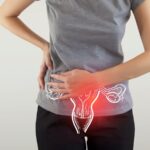
Learn why hydration is important for menstrual health, how drinking water can affect your menstrual cycle, and get tips for drinking enough water.
When it comes to menstrual health, we often focus on hormones, nutrition, and lifestyle, but hydration is often overlooked. Water is essential for nearly every bodily function, including the menstrual cycle, but its importance to reproductive health is not fully recognized. Staying well hydrated helps maintain the hormonal balance necessary for a healthy menstrual cycle.
How does hydration affect menstruation?
It’s easy to forget how important staying hydrated is when managing daily tasks and tracking ovulation. Water plays an important role in maintaining hormonal balance to maintain reproductive health. “Our bodies are made up of about 60% water. This essential fluid is involved in almost every body process, including menstruation. When we talk about menstrual health, we often overlook hydration,” gynecologist and obstetrician Dr. Tejal Kanwar tells Healthshots. Drinking enough water can improve your overall health, make your menstrual cycles more regular, and reduce pain. Water plays an important role in regulating hormones, absorbing nutrients, and maintaining emotional balance.
How does hydration affect hormones?
Your monthly menstrual cycle is like a dance of hormones. Estrogen, progesterone, etc. act alternately as needed. During the follicular phase, increased estrogen levels help manage fluid retention. Staying hydrated during this time can reduce the premenstrual bloating that many women experience. “When your body doesn’t have enough water, it becomes dehydrated. To combat this, hormones called antidiuretic hormone (ADH) and aldosterone are released,” says the gynecologist. This can cause unpleasant symptoms such as breast tenderness and fatigue. Research shows that even mild dehydration can worsen PMS symptoms. So drinking a few extra glasses of water isn’t just helpful; That’s very important.
Should I increase my water intake during the luteal phase?
After ovulation, the luteal phase begins. At this stage, progesterone plays an important role. This hormone can cause water retention and affect the body’s hydration. “If you’re feeling tired or cramping, a lack of fluid intake may be the culprit. Not drinking enough fluids can thicken your blood, reduce oxygen flow, and increase discomfort. Staying hydrated is important for absorbing essential nutrients like magnesium and calcium, which help regulate mood and muscle health,” says Dr. Kanwar. Drinking water can help you stay calm and balanced during this time when progesterone causes your body temperature to rise slightly.

Why is hydration important during menstruation?
When your period starts, changes occur in your body. More blood can be lost, which means the body needs more fluids. It is important to drink enough water to replace what is lost. “Staying hydrated improves blood flow, nourishment, and helps you recover faster from the fatigue you feel after your period. Hydration is essential for removing hormones from your body. Our kidneys and liver need water to help process and remove hormone byproducts, such as prostaglandins,” says the gynecologist. These can cause cramps and inflammation. Staying hydrated not only improves your overall health, but also helps reduce menstrual pain and discomfort.
5 Hydration Tips to Improve Menstrual Health
Staying hydrated is important, but it can be difficult to make it a daily habit. Here are some simple tips to help you drink enough water every day.
- Hydration goals: Drink 2 to 2.5 liters of water every day. Adjust this amount based on weather, exercise level, and personal needs.
- Timing is key: Drink more water during ovulation and the luteal phase, when hormone levels fluctuate and require more hydration.
- Natural electrolytes: Drink fluids rich in electrolytes, such as coconut water or homemade oral rehydration solutions (ORS), especially if you’re bleeding a lot. Eating fruits such as watermelon, oranges, and cucumbers can also help you stay hydrated.
- Watch your diet: Limit caffeine and salty foods, as they can cause dehydration and bloating. Instead, choose hydrating foods that make you feel good, such as leafy greens and soups.
- Listen to your body: Make sure to stay hydrated, especially before and during your period. If you feel tired or have more cramps than usual, drinking a glass of water may help.