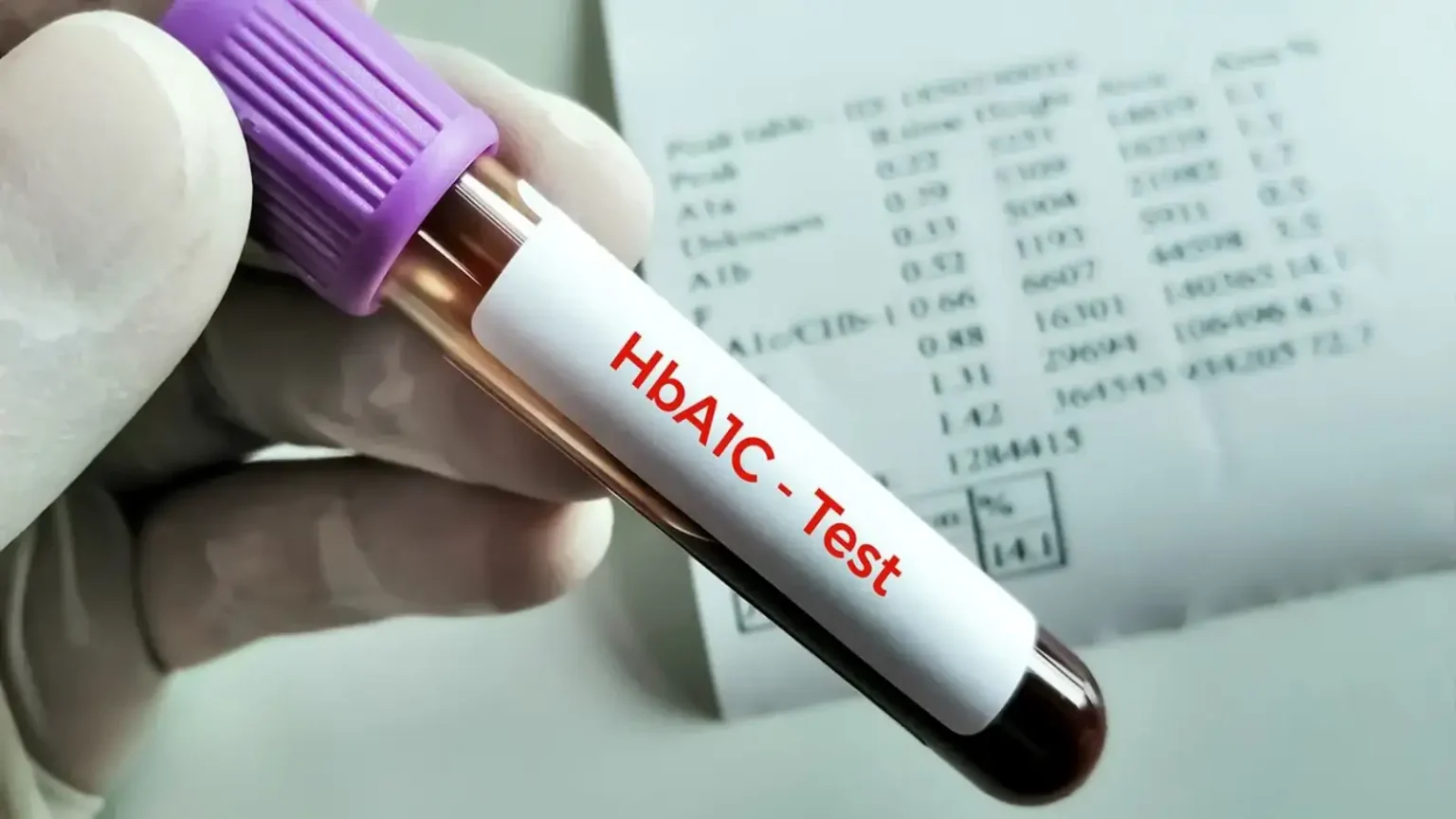
How does anemia affect HbA1c measurements and affect diabetes management? This can lead to misdiagnosis and inappropriate treatment choices.
HbA1c is the most widely used marker for diabetes diagnosis and monitoring. It reflects your average blood sugar levels over the past three months by measuring the percentage of glycated hemoglobin. In other words, it represents how much sugar is attached to red blood cells over their lifespan. It’s convenient, doesn’t require you to fast, and provides a better long-term picture than a single blood sugar reading. However, there are important blind spots that most patients, and frankly many clinicians, overlook. HbA1c assumes that your red blood cells are working properly. If not, the numbers in your report can be dangerously misleading.
What is the correlation between hemoglobin and HbA1c?
HbA1c depends on hemoglobin exposure to glucose over the typical 120-day lifespan of red blood cells. Any conditions that alter lifespan or alter hemoglobin levels will skew the results. “Iron deficiency anemia, the most common in India, slows the turnover of red blood cells. Older red blood cells spend more time in circulation and accumulate more glucose on their surface,” Dr. Gagandeep Singh told Healthshots. HbA1c is falsely elevated, suggesting that blood sugar control is worse than it actually is. Women whose blood sugar levels are well controlled may be told that their diabetes is worsening, which can lead to unnecessary increases in medication.
What causes falsely elevated HbA1c?
Conversely, hemolytic anemia, thalassemia characteristics, and conditions that cause rapid red blood cell destruction shorten lifespan. Shorter circulation times mean less glycation, leading to falsely low HbA1c. This is a more dangerous scenario. Patients with truly high blood sugar levels may receive reassuring reports that they are normal, potentially delaying diagnosis altogether.
A recent Lancet paper flagged this concern specifically for India, noting that relying solely on HbA1c could misclassify diabetes in populations with high prevalence of anemia and hemoglobinopathies, the very demographic profile seen across the country.
According to NFHS-5 data, 57% of Indian women aged 15-49 years are anemic, while 25% of men fall into the same category. Japan also has one of the world’s largest populations suffering from both anemia and diabetes. This overlap means that millions of Indians receive HbA1c measurements that may not reflect their true metabolic status.

“In my practice, I regularly encounter patients whose HbA1c and continuous blood glucose monitoring data do not match. One patient has an HbA1c of 6.2% and appears to be well controlled, but CGM regularly shows postprandial increases of more than 200 mg/dL, or vice versa, with an HbA1c of 7.5%. Despite everyone’s alarm, the blood sugar levels were consistently within range and the patient was found to have an undiagnosed iron deficiency,” says Dr. Singh.
What should you actually do?
First, don’t rely solely on HbA1c. If you are being monitored for diabetes or prediabetes, make sure your doctor also checks your complete blood count, ferritin levels, and red blood cell index. Discrepancies between HbA1c and daily blood glucose values should prompt investigation to determine whether anemia is skewing HbA1c results.
Second, if you have anemia, correct it before deciding on primary treatment based on HbA1c. Acta Biomedica research suggests that after iron correction, HbA1c can take up to six months to accurately reflect true glycemic status.
Third, and this is where most traditional monitoring falls short, consider markers that bypass hemoglobin altogether. Fasting insulin levels and HOMA-IR (a calculation based on fasting insulin and glucose) directly measure insulin resistance, independent of red blood cell behavior. This is important because insulin resistance is the underlying metabolic dysfunction that causes type 2 diabetes and is often present for years before blood sugar levels are recorded on an HbA1c test.
Can diabetes be reversed?
Diabetes management, and more importantly, diabetes reversal, relies on accurate data. When undiagnosed nutritional deficiencies distort the basic measurements we use to assess metabolic health, we are basing treatment plans on unreliable evidence. In a country where anemia and diabetes are endemic, this is not an academic concern.