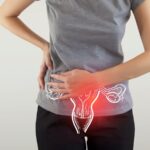
Hot flashes are not just a symptom of menopause; some women also experience hot flashes during their periods. A gynecologist explains why hormonal changes cause sudden heat and what to do about it.
Although hot flashes are usually associated with menopause, they are not limited to women in their 40s and 50s. Just before or during their period, some women notice sudden waves of heat, flushed skin, sweating, and even a racing heartbeat. If this sounds familiar, you’re not imagining it. Hormonal changes during the menstrual cycle can temporarily affect the body’s thermoregulatory system. Although it may feel uncomfortable, it is often a natural response to changing estrogen levels. Understanding why this happens will make it less worrying and easier to deal with. The key lies in how hormones interact with the brain’s internal thermostat.
What are hot flashes? How do they feel?
A hot flash is a sudden, intense feeling of heat that usually starts on the face, neck, or chest. It may be accompanied by sweating, flushed skin, and increased heart rate. Some women experience chills after the episode.
According to gynecologist Dr. Sadhna Singhal, these symptoms are similar to menopausal hot flashes, but can also appear during menstruation due to hormonal fluctuations. Although menopause remains the most common cause, affecting more than 80 percent of women, period-related hot flashes are not unheard of, according to a 2019 study published in the Journal of Mid-Life Health.
Why do hot flashes occur during menstruation?
1. Hormone fluctuations, especially a drop in estrogen
The menstrual cycle involves constant changes in estrogen and progesterone. Estrogen levels decrease before and during menstruation. This drop can disrupt the hypothalamus, the part of the brain that regulates body temperature.
“When estrogen levels drop, the brain falsely senses that the body is overheating, which can cause hot flashes,” explains Dr. Singhal.
2. Perimenopause or premature ovarian insufficiency (POI)
If you experience frequent hot flashes, you may be in the early stages of hormonal changes. Although perimenopause can begin in your 40s, premature ovarian insufficiency (POI) can affect younger women. According to the National Institutes of Health, POI affects about 1 in 100 women under 40 and can cause menopause-like symptoms such as hot flashes.
3. Stress and anxiety
Stress activates the body’s fight-or-flight response, which releases adrenaline. A 2017 study published in the journal Menoposition found that women with stronger physical reactions to anxiety were more likely to experience hot flashes. Stress interferes with body temperature regulation and increases the frequency of attacks.
4. Hypoglycemia and dehydration
Eating irregularly during your period can cause your blood sugar levels to drop, causing you to feel hot and uncomfortable. Dehydration, especially due to decreased menstrual fluids, can also make it difficult for the body to regulate its temperature.

5. Caffeine and hormonal birth control
Caffeine can stimulate the nervous system, increase heart rate and cause a feeling of heat. Hormonal contraceptives also affect estrogen and progesterone levels and can mimic perimenopausal changes.
How to manage hot flashes during menstruation
1. Stay hydrated: Drinking enough water helps regulate your body’s internal temperature and prevents fever caused by dehydration.
2. Eat a balanced, hormone-friendly diet. Contains fruits, vegetables, whole grains, and healthy fats. “Flaxseed, soybeans, and leafy greens support hormonal balance,” says Dr. Singhal.
3. Reduce caffeine and spicy foods: These can raise your body temperature and irritate your nervous system.
4. Manage stress levels: Mindfulness meditation and breathing exercises may help. The National Institute on Aging notes that relaxation techniques can reduce the intensity of hot flashes.
5. Consider supplements carefully. A 2018 study published in the Journal of Education and Health Promotion found that evening primrose oil reduced the severity of hot flashes in participants. However, Dr. Singhal advises consulting your doctor before starting any supplements.
When should I see a doctor?
If hot flashes occur frequently, are severe, or begin before age 40, it is wise to consult a gynecologist to rule out underlying hormonal problems.
Hot flashes during your period may be surprising, but they almost always reflect temporary hormonal changes. It can usually be managed effectively with simple lifestyle adjustments and medical guidance as needed.