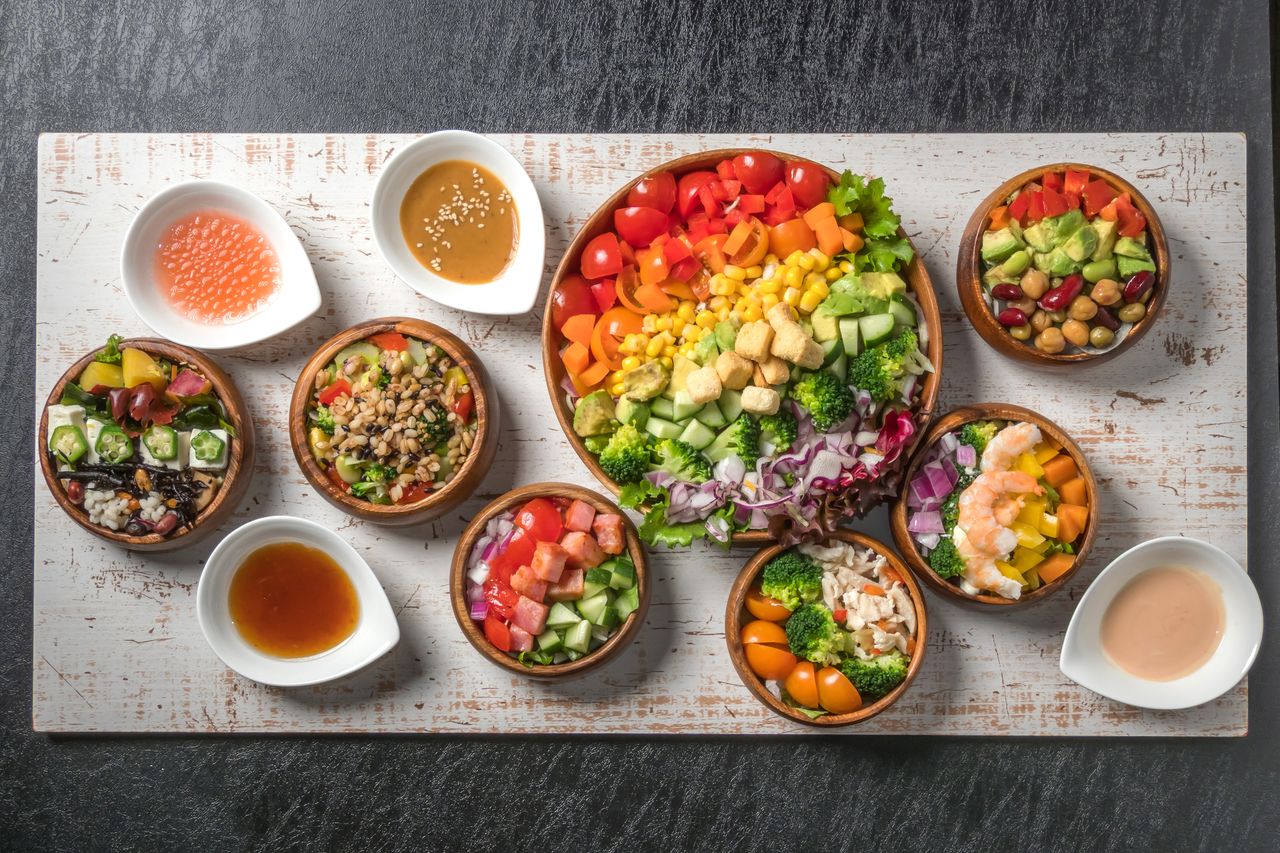
More than 18% of the world’s population follows a vegetarian diet. It focuses on plant-based foods such as fruits, vegetables, lentils, grains, seeds, and nuts. Additionally, vegetarians do not eat meat, fish, or poultry. However, a vegetarian or vegan diet can be high in carbohydrates such as grains, starchy vegetables, and bread. However, it is entirely possible to eat a low-carbohydrate vegetarian diet. Sugar and starches in your diet should be replaced with healthier alternatives such as vegetables, healthy fats, fruits, and nuts.
Carbohydrates play an important role in our bodies. If you eliminate them from your diet, you’re more likely to overeat later. Additionally, it contributes to the proper functioning of the heart muscle, kidneys, brain, and central nervous system. It also aids digestion, lowers blood cholesterol levels, and keeps you full.
Why low carb?
A low-carb diet consists of small amounts of carbohydrates, plenty of protein, and healthy fats. Therefore, your diet will focus on fat and protein. Also limit your intake of sugary and starchy foods such as bread, pasta, rice, and potatoes.
Low-carbohydrate diets promote healthy aging, cardiovascular health, and weight loss. It also improves blood sugar control and reduces the risk of heart disease. When your blood sugar levels are stable, you have more energy, sleep better, and feel better. It is a fundamental support for the body on many levels, including healthy skin, organ function, and hormones.
Low-carbohydrate diets also lower blood pressure, triglycerides, and “bad” LDL cholesterol while increasing “good” HDL cholesterol. Additionally, a low-carbohydrate diet can help reverse many of the symptoms of metabolic syndrome, including an increased risk of heart attack and stroke.
How many carbohydrates should I eat?
There is no exact range as to what constitutes a low-carbohydrate diet. The amount of carbohydrates a person can consume depends on their goals and diet plan. Each person should find a diet plan that suits their specific needs and goals. Before making any major changes to your diet, you should consult a nutritionist. A medical professional will assess your current health and recommend whether a low-carbohydrate diet is right for you.
The average adult man or woman’s daily goals for a low-carbohydrate diet can be broadly categorized as follows:
- For people who exercise frequently, 100 to 150 grams per day is a good maintenance range.
- Consuming 50 to 100 grams per day will automatically lead to weight loss and is a good maintenance range for people who do not exercise frequently.
- This low carbohydrate intake of 20-50 grams per day will help you lose weight quickly without feeling hungry. However, this carbohydrate range can put you into ketosis.
Although a vegetarian diet could easily fall into the lowest range, such a diet is considered unrealistic for vegans. Therefore, vegans should stick to the 100-150 grams range.
Vegetarian diet: low carbohydrate foods
There are a wide variety of plant-based low-carbohydrate foods. Many of these food types are also rich in protein and fat.
dairy products
Dairy products without added sugar are low in carbohydrates and high in protein and fat. Therefore, it is perfect for vegetarian low-carbohydrate diets. Carbohydrates per 100 grams of various dairy products are listed below.
- Milk: 4.5 grams
- Soft aged cheese: 0.5g
- Cheddar cheese: 2.4g
- Greek yogurt: 3.6g
- Paneer/cottage cheese: 1.2 g
- Buttermilk: 29g
- Butter and ghee: 2.3 grams
fruit
Some low-carbohydrate diets specify that fruit should be avoided at least as part of the diet. That’s because fruits contain more naturally occurring sugars, which means they have a higher carbohydrate content than most vegetables. But all these sugars aren’t bad. When consumed in moderation, it can serve a healthy purpose without causing carbohydrate overload for most people. In addition, some fruits contain fewer carbohydrates per standard serving due to their high water content, and some fruits contain fewer absorbable carbohydrates due to their high fiber content.
Below is a list of fruits and their carbohydrate content (per 100 grams serving).
- Watermelon: 7.5g
- Strawberry: 7.6g
- Plum: 7.6g
- Muskmelon: 8.1g
- Avocado: 8.5g
- Honeydew: 9g
- Peach: 9.5g
- Pineapple: 11g
vegetables
Most vegetables are low in calories and rich in vitamins, minerals, and other essential nutrients. Additionally, many of them are low in carbohydrates and high in fiber, making them perfect for low-carb diets.
Below is a list of vegetables and their carbohydrate content (per 100 grams serving).
- Green pepper: 6.7 grams
- Broccoli: 6.2g
- Mushroom: 6.8 grams
- Asparagus: 3.8g
- Tomato: 3.1g
- Spinach: 3.6 grams
- Cucumber: 3.6 grams
- Cauliflower: 4.9g
- Lettuce: 2.8g
beans
Legumes are generally known as highly nutritious foods. It is rich in protein and fiber, and is also rich in vitamins and minerals. However, they do contain some carbohydrates, so they can be difficult to incorporate into a low-carb diet, but are always good for a 100-150 grams per day carbohydrate diet. Below are the net carbs per 100 grams for various beans.
- Black beans: 40.7g
- Navy beans: 42.4g
- Kidney beans: 60.6g
- Black soybeans: 23.4g
- Chickpeas: 63 grams
- Lima beans: 63.4g
- Pinto beans: 42.6g
- Lentils: 63.4 grams
- Black eyed peas: 54.5g
nuts and seeds
Nuts and seeds are rich in protein, fiber, vitamins, minerals, and antioxidants, and low in carbohydrates. It also helps burn energy and regulate weight, as fats are not fully absorbed. Below are the carbohydrates per 100 grams of various nuts and seeds.
- Pecan nuts: 13.9 g
- Chia seeds: 42.1g
- Hazelnut: 16.7g
- Walnuts: 14g
- Brazil nuts: 12g
- Flaxseed: 28g
- Hemp seeds: 8.7g
- Sesame: 23g
healthy fats
A healthy low-carbohydrate diet should include a small amount of fat. Fats contain essential fatty acids, which the body cannot produce independently. It also helps the body absorb vitamins A, D, and E. Most of them contain 0 grams of carbohydrates, but they should be consumed in moderation. Healthy fats include virgin and cold-pressed olive oil, avocado oil, ghee, mustard oil, unsalted butter, virgin coconut oil, and nuts and seeds.
Create a vegetarian low-carb meal plan
You can get a low-carb vegetarian shopping list and combine the above foods to create a low-carb vegetarian meal plan for each meal. For example, meal options include:
breakfast
- blueberry oat smoothie
- Stir-fried vegetables and paneer with multigrain toast
- Quinoa vegetable patty
- bean sprout poha
- greek yogurt mixed with berries
- Dosa stuffed with paneer
mid-morning snack
- Cauliflower toast with avocado
- buttermilk
- Sprout salad with nuts
- Carrot and cucumber with hummus
- spicy roasted peanuts
- Celery sticks and cauliflower with hummus
lunch
- Roasted zucchini cottage cheese and walnut salad
- Green salad with edamame and beans
- cauliflower grilled cheese sandwich
- black bean lettuce wrap
- Jowar spinach roti with paneer bhurji
- Stir-fried vegetables and yellow lentil soup
Evening snack
- green smoothie
- baked kale chips
- fruit bowl
- mix seeds and nuts
- chia pudding
- cantaloupe and orange juice
dinner
- Broccoli and cauliflower gratin
- Spinach wheat noodles and cottage cheese
- Whole wheat eggplant and zucchini pizza with cottage cheese
- Creamy cauliflower mushroom risotto
- Butternut squash soup with fried tofu
Who should not go on a low-carb diet?
Most people can safely follow a low-carbohydrate diet. On the other hand, rapid weight loss or significant changes in blood sugar levels may require additional support and knowledge for people in the following three situations:
People receiving treatment for diabetes
Avoiding carbohydrates, which raise blood sugar levels, reduces the need for diabetes medications. Once you start a low-carbohydrate diet, you will likely need to reduce your insulin dosage and the dosage of other diabetes medications. When starting this diet, you should check your blood sugar levels frequently and adjust your medications accordingly. However, it is best done with the help of a diabetes-savvy doctor or other health care provider.
people taking blood pressure medication
If you are taking blood pressure medication and start a low-carbohydrate diet, the diet can be too successful. Additionally, this may indicate low blood pressure. Your current dosage may make you too healthy. Low-carbohydrate nutrition can lower blood pressure in a few days, but it can take months or even a year to have full effect.
Suppose you have symptoms of low blood pressure, such as feeling weak, tired, and dizzy. In this case, you should measure your blood pressure immediately. If your blood pressure is low, such as less than 120/80, you should talk to your doctor about reducing or stopping your medication.
breastfeeding mother
A moderately low-carbohydrate diet can help you lose weight while providing all the nutrients you and your baby need. On the other hand, nursing mothers should not follow a strict low-carbohydrate diet, as their physical strength may decrease during breastfeeding.
Most people can eat as many carbohydrates as they want to go into nutritional ketosis. In this normal, healthy metabolic state, the body relies on fat and ketones for energy. However, one study found that in rare cases, insufficient carbohydrate intake during breastfeeding can lead to a dangerous condition known as ketoacidosis. This appears to be related to metabolic changes and increased nutritional demands associated with milk production. Therefore, to be on the safe side, you may want to eat a large, low-carbohydrate diet with at least 50 grams of carbohydrates per day.
Anyone starting a low-carbohydrate diet should drink plenty of fluids, and water is the best option. Also, make sure you get enough salt. Initially, drink 1 to 2 cups of salted emon water per day or increase the salt in your diet to prevent the “low-carb flu.” Above all, talk to your doctor about changing your medications and related lifestyle changes.
conclusion
Vegetarian low-carbohydrate diets are becoming increasingly popular. Not only do they help with weight loss, they also have other health benefits, such as regulating blood sugar levels and lowering the risk of stroke.
Traditional low-carbohydrate diets tend to be high in meat. But the abundance of plant-based alternatives makes the diet easy for vegans and vegetarians as well. Many delicious plant-based foods are low in carbohydrates and high in fat, protein, vitamins, minerals, and other antioxidants. A “mindful” carbohydrate approach that chooses slow-burning carbohydrates such as starchy vegetables, whole grains, and legumes rather than refined carbohydrates. You need to avoid simple sugars that are easy to overeat and can help you survive the ups and downs of this diet. This habit also leads to the ultimate goal of maintaining a healthy nutritional baseline.
However, be sure to consult a nutritionist before making any changes to your diet.
Frequently asked questions (FAQ)
Q. What are high-protein, low-carbohydrate vegetables?
A. Most vegetables are rich in vitamins, minerals, and other essential nutrients. Additionally, many of them are low in carbohydrates and high in fiber, making them perfect for low-carb diets. Good examples include peppers, asparagus, spinach, lettuce, and cauliflower.
Q. What foods have zero carbohydrates?
A. Meat, eggs, fish, cheese, oil, butter, water, and regular coffee and tea are examples of foods with zero or less than 1 gram of carbohydrates.
Q. Do cucumbers contain carbohydrates?
A. Cucumber is one of the best low-carb vegetables, with only 3.6 grams per 100 grams serving. It is rich in vitamins B, C, K, and minerals such as phosphorus, potassium, copper, and magnesium.
Q. Do chickpeas contain a lot of carbohydrates?
A. Yes, chickpeas are a good source of protein and fiber and contain 63 grams of carbohydrates per 100 grams.
Q. Can a low-carb diet cause a decrease in heart rate?
A. Research shows that cutting out carbohydrates can have a negative effect on your heart and increase your risk of atrial fibrillation, the most common heart rhythm disorder. Therefore, you should always consult your health care provider before making any major changes to your diet.
Q. When did you start a low-carb diet?
A. The low-carbohydrate diet trend began in 1972 with cardiologist Robert Atkins’ book, “Dr. Atkins’ New Dietary Revolution.” In the late 1990s and early 2000s, low-carbohydrate diets became some of the most popular diets in the United States. At its peak, up to 18% of the population was on one or more low-carbohydrate diets, according to some estimates.
Q. Can a low-carb diet cause headaches?
A. Headaches are a common side effect of low-carbohydrate diets. These can occur as a result of reducing your intake of carbohydrates, especially sugar. You can avoid this by drinking plenty of water and maintaining your electrolyte balance.