When should I be concerned about blood in my stool?
“It’s always depressing to see blood in the stool,” says Dr. Ford. “If a patient comes in with these concerns, I wouldn’t turn them away, but most events are nothing to worry about.”
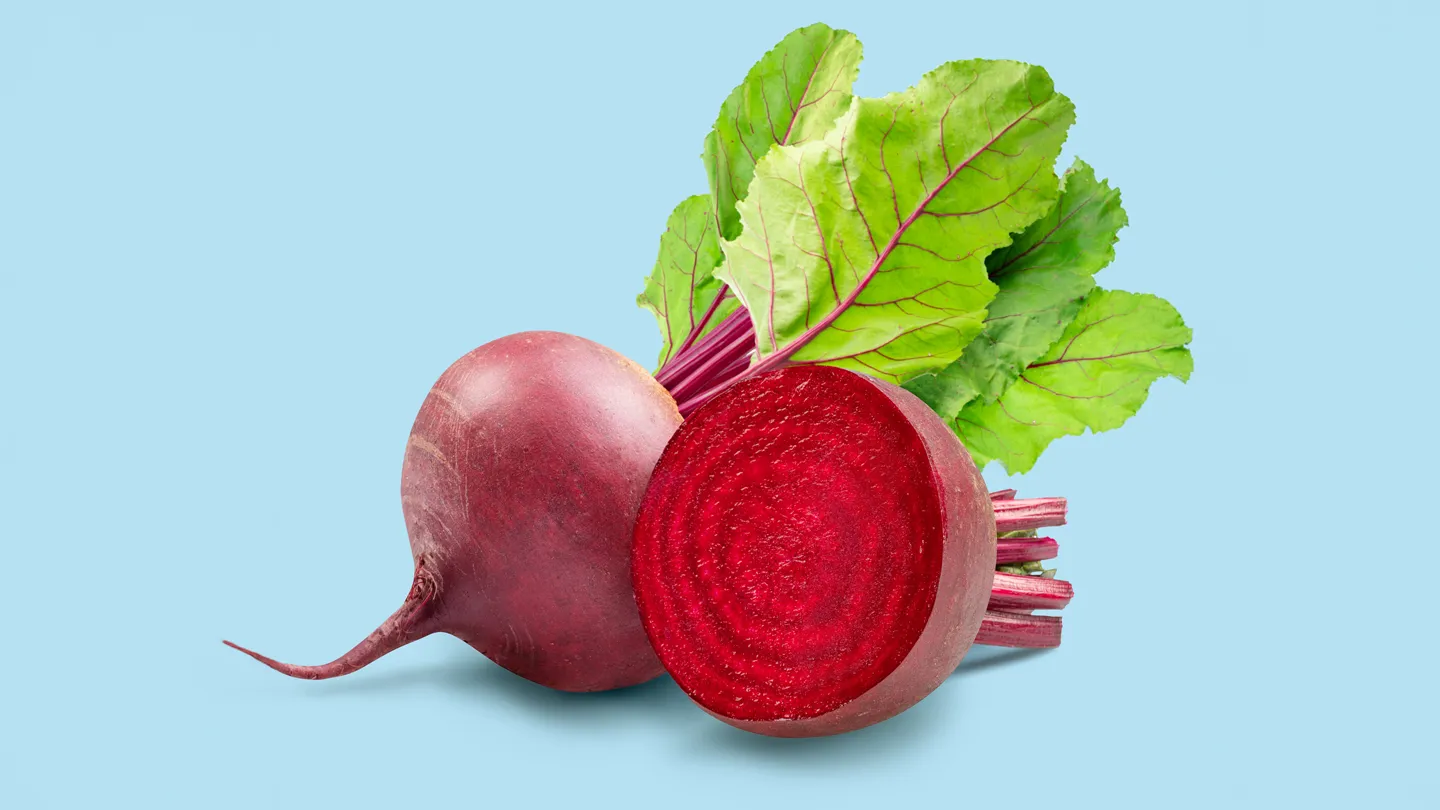
Even if you rule out constipation and red foods, bloody stools accompanied by abdominal pain, cramps, fever, and diarrhea can indicate a more serious digestive problem.
In this case, your gastroenterologist may decide to perform a test of your stool to identify trace amounts of blood, called a fecal occult blood test. This evaluation helps inform the diagnosis and provide accurate treatment.
That said, Ford and Jodorkowski note that certain factors can cause false positives or false negatives in fecal occult blood tests. These include red meat, turnips, broccoli, horseradish, and vitamin C supplements. It is important to avoid these foods and supplements for several days before the test.
Taking a closer look at specific stool colors may also help determine the cause of the bleeding.
For example, bright red stools may mean bleeding from the lower gastrointestinal tract of the colon or rectum. Dark red or maroon stools may indicate bleeding in the upper gastrointestinal tract or small intestine. Black or tarry stools mean bleeding from the stomach and can be a sign of ulcers.
It is important to tell your doctor if you have pain, weakness, or fatigue in addition to blood in your stool. Further tests, such as a colonoscopy or CT scan, may help determine what is being seen inside the toilet bowl.