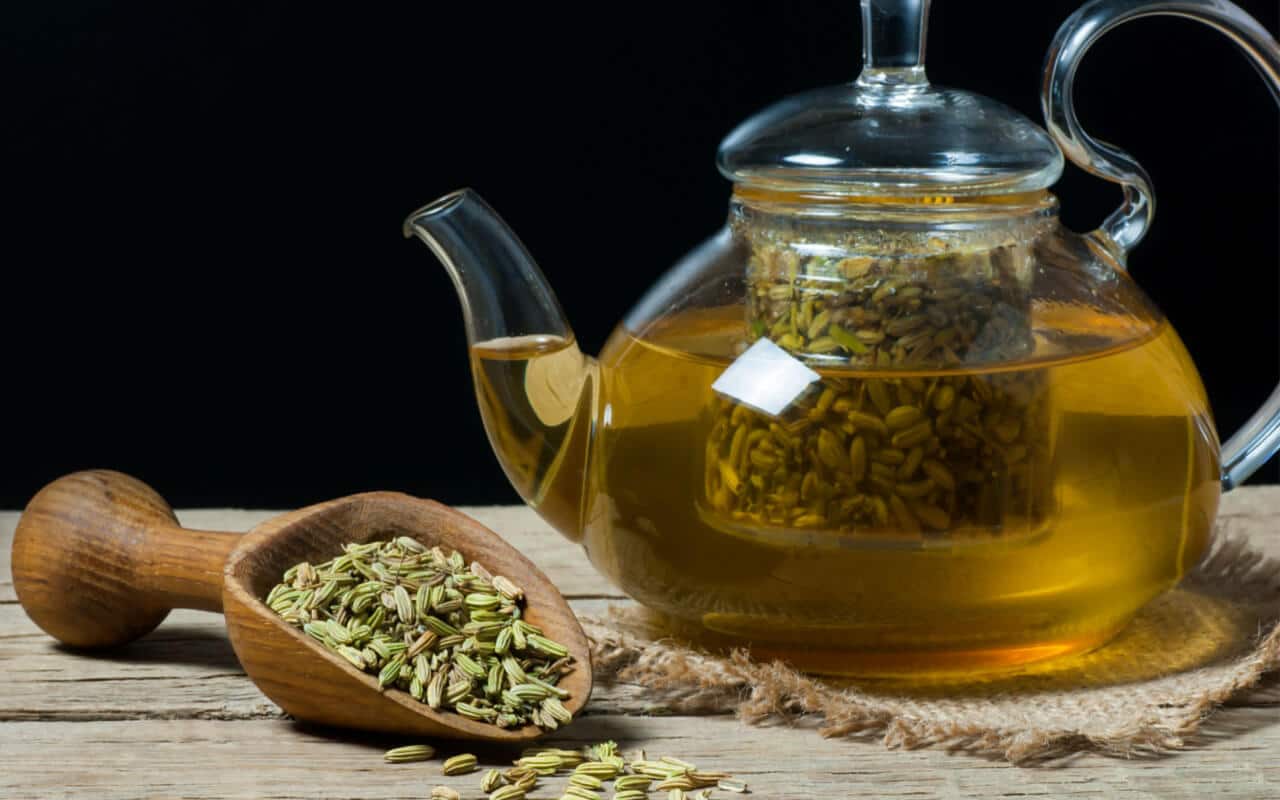
India is one of the largest exporters of fennel seeds or /saunf (as it is commonly known) and voraciously uses fennel seeds for its benefits. Fennel seeds have a variety of medicinal properties and are therefore a favorite for consumption by people from many different cultures. For example, Indian households often consume fennel seeds after meals to make them healthier and digest faster.
Fennel seeds are often associated with “longevity” and are known to provide a wide range of nutritional properties that improve human health.
Additionally, fennel seeds provide a concentrated source of various minerals that are essential for regulating blood pressure and retaining water in the body. Fennel seeds are very aromatic.
What are fennel seeds?
Fennel seeds are very similar in appearance to aniseed and are extracted from the fennel plant. It contains multiple nutrients such as vitamin K, vitamin E, manganese, copper, zinc, and phosphorus, and is an excellent source of vitamin C.
Fennel seeds have a crunchy texture on the outside and a slightly sweet flavor. It is also widely used as a mouth freshener.
One serving of fennel seeds contains 1% of the RDI (Recommended Dietary Intake) of vitamin C, which acts as the body’s active antioxidant and protects the skin from damage caused by sun, smoke, and pollution.
Nutritional value of fennel seeds
We usually consume 1 tablespoon of fennel seeds per serving and here are the nutritional values that fennel seeds provide:
Nutritional value (6 grams per heaped teaspoon)
- Calories: 19.8kcal
- Fiber: 2.3g
- Carbohydrates: 3 grams
- Protein: 0.9g
- Fat: 0.6g
- Cholesterol: 0 grams
Learn more about fennel seeds and understand how seeds can help you maintain your diet and reach the goals you set for yourself.
Health benefits of fennel seeds
Fennel seeds contain powerful antioxidants and phytonutrients, making them a highly nutritious source with many health benefits, including:
regulate blood pressure
The Journal of Food Science published a study that showed that chewing fennel seeds increases the levels of nitrite in saliva. Nitrite is a natural element that maintains blood pressure levels. In addition to this, fennel seeds are also rich in potassium, which helps control blood pressure and heart rate.
Great for skin problems
Regular consumption of fennel seeds provides minerals such as selenium, calcium, and zinc.
These minerals are important in balancing hormones while maintaining oxygen balance in the bloodstream. In addition, these minerals have a cooling and soothing effect on the skin, giving it a healthy glow.
Fennel seeds also have various Ayurvedic benefits that help treat skin conditions such as rashes and dryness. Moreover, applying fennel paste is very beneficial for the skin as the above minerals are absorbed into the skin, keeping it moisturized, clean and healthy.
Studies have also shown that fennel seeds have anti-aging effects. Fennel seed water is part of many skin care routines. Cleans pores clogged with dirt, bacteria, dead skin cells, and dirt. Fennel water also treats acne and pimples as it has antibacterial and anti-inflammatory properties.
purify the blood
The important fiber and essential oils found in fennel seeds are believed to be very helpful in flushing sludge and toxins from the body and purifying the blood. Moreover, it further aids in the optimal absorption of nutrients in the body.
Studies have shown that the polyphenol antioxidants found in fennel seeds also have anti-inflammatory properties that help fight various bacteria and viruses, protecting you from various diseases.
Helps improve eyesight
Fennel seeds are often referred to as ‘netra jyoti’ in Ayurveda. Adding two tablespoons of fennel seeds to your diet regularly can improve your eyesight.
Research suggests that fennel seeds are rich in vitamin A, which can help improve eyesight. Additionally, ancient people used fennel seed extract to treat people suffering from glaucoma. Fennel is rich in antioxidants and nutrients that prevent the development of cataracts and promote eye health.
water retention capacity
Consuming fennel tea regularly helps eliminate excess water from your body. Therefore, fennel tea acts like a diuretic. Additionally, it helps reduce the chances of urinary tract diseases and removes toxins from the kidneys. It also contains diaphoretic properties that encourage sweating.
appetite control
Studies have shown that drinking fennel tea can help control your appetite. Drinking a cup of fennel tea releases essential oils that can help curb hunger. Many nutritionists recommend fennel tea before meals to reduce calorie intake for weight loss.
Essential for bloating, IBS, indigestion, and constipation
Studies have proven that fennel seeds act as an important source for curing constipation, bloating, and indigestion. That’s because it contains essential oils such as anethole, fenshon, and estragole.
These oils contribute to anti-inflammatory and antispasmodic properties. Additionally, these elements greatly help in breaking down food and keep the digestive system functioning smoothly. Those who suffer from IBS will greatly benefit from fennel seed extract.
This oil also promotes digestion and keeps the digestive tract healthy by promoting the function and production of gastric juices and enzymes.
Reduces cancer risk
Fennel seeds contain powerful free radical scavenging properties. Additionally, fennel seeds help neutralize free radicals that cause cancer development due to their antioxidant properties. For example, anethole, an antioxidant abundant in fennel, has cancer-fighting properties. Therefore, it overcomes oxidative stress and protects the body from various cancers such as breast cancer, stomach cancer, and skin cancer. Additionally, it also provides a chemomodulatory effect on the patient.
good for memory
Research shows that fennel seeds have multiple neuropharmacological activities. Therefore, nutritionists recommend children to eat fennel seeds, which are known to increase memory and intelligence. Additionally, plant extracts exhibit memory-enhancing effects. Fennel seeds can also be used to help people suffering from cognitive diseases such as Alzheimer’s disease.
Good for the liver (hepatoprotective effect)
Fennel is rich in selenium, a nutrient known for its detoxifying properties. Therefore, chewing fennel seeds or drinking fennel tea induces the production of beneficial enzymes that help the liver detoxify naturally. Additionally, fennel essential oil is known to be good for the liver. Additionally, consuming fennel seed essential oil may reduce levels of AST, ALP, ALT, and bilirubin. Research further strengthens that claim.
fennel seeds for weight loss
Weight loss is just one of the many benefits you can get by adding fennel seeds to your daily diet. These tiny seeds are packed with powerful nutrients that keep the human body healthy. Here are some ways fennel can help you lose excess weight in your body.
Fennel seeds are considered an essential food to include in your diet to lose weight. Consuming it regularly and following an active and healthy lifestyle will help you lose excess weight.
Fennel seeds are rich in dietary fiber, which slows down the digestive process. Research shows that consuming a single serving of fennel seeds can help you feel less hungry quickly and prevent you from overeating.
Additionally, fennel seeds contain antioxidants, which can help increase your body’s absorption of vitamins and minerals. Another benefit of antioxidants is that they help break down fats and carbohydrates in your body, helping you avoid gaining extra weight.
Fennel seeds also have diuretic properties, which helps flush out toxins and other harmful fluids from your body. A more preferred alternative to fennel seed tea is a fennel seed drink called Valiyali Sharbat.
This tangy drink is common in India and is usually consumed in summer to hydrate the body and keep cool. Valiyali Sharbat helps in weight loss and also helps in detoxifying the body, removing acidity and reducing stress.
Fennel seeds: healthy recipes
Vallyari Charbert
The benefits of Vallyari Sharbat are due to the countless antioxidants present in fennel seeds. These antioxidants include zeaxanthin, lutein, beta-carotene, chlorine, manganese, zinc, selenium, phosphorus, and more. These are known to protect the body from oxidative stress and improve the metabolic rate of the human body.
Here’s how to make one cup of Valiyali Sharbat.
material:
- 1 cup fennel seeds
- 2 cups (500ml) of water
- 1-2 tablespoons of jaggery
- 5 soaked cardamom pieces
- black salt
- ice cubes
Instructions:
- Grind the fennel seeds and cardamom to a fine powder in a food processor or mixer grinder.
- Next, soak the fennel and cardamom powder in 2 cups of water for nearly 8 hours.
- Strain the soaked fennel and cardamom powder liquid into a container.
- Add a pinch of black salt to the container
- Add jaggery and stir for about 30 seconds.
- Serve in a glass with ice.
Nutritional value of a regular glass (240 ml) of Vallyari Charbat:
- Carbohydrate: 2.9g
- Protein: 2.9g
- Dietary fiber: 7.3g
- Magnesium: 15mg
- Vitamin B-6: 0.041mg
- Iron: 0.64mg
- Vitamin C: 10.4mg
- Calcium: 43mg
- Vitamin A: 838IU
- Sodium: 45mg
- Potassium: 360mg
fennel tea
- 1 serving: 1 serving
- Preparation time:
material:
- Crushed fennel seeds: 1 tablespoon
- Water: 1 and 1/2 cups
- Lightly crushed ginger: 1/4 inch
- Mint leaves: 3-4
- Honey: 1/2 teaspoon
method:
- Add water to the pot and bring to a boil.
- Next, add crushed fennel seeds and ginger.
- Boil over medium heat until water is reduced to 1 cup.
- Turn off the gas and strain the tea into a cup.
- Add honey and mint leaves and mix well.
- Please enjoy warm.
The taste of the tea is modest and the aroma is outstanding. Ideal for people with digestive problems such as constipation. It eases bowel movements and gives you fresh breath. Add it to your daily diet by drinking tea in the morning or evening. Moreover, it also helps to relax and refresh the mind.
Fennel seeds: precautions
Fennel seeds have many health benefits and can be included in our diet, but here are some precautions to avoid serious and fatal conditions:
- Avoid fennel seeds during pregnancy. Regular use of fennel seeds during pregnancy can lead to premature birth.
- Women who are breastfeeding should avoid consuming fennel tea. That’s because breastfeeding your baby after drinking fennel tea can damage your child’s nervous system.
- People with allergies or hypersensitivity to the seeds of the plant should not consume fennel seeds, as it may cause an allergic reaction.
- Fennel seeds are known to slow blood clotting and increase the risk of bleeding and bruising, so people with bleeding disorders should avoid consuming fennel seeds.
- People with hormone-sensitive conditions such as breast cancer, uterine cancer, ovarian cancer, endometriosis, and uterine fibroids should avoid fennel seeds because fennel seeds act like estrogen and can worsen these conditions.
- Fennel seeds are rich in potassium, so people with kidney problems should avoid consuming fennel seeds. When the kidneys are damaged, it becomes difficult for them to filter, which can worsen the condition.
summary
Fennel seeds are very popular in India. That’s because these seeds can miraculously cure countless digestive ailments, including infant colic, intestinal gas, heartburn, and more.
You can also use the seeds as a mouth freshener after a hearty meal. Therefore, it is safe to say that fennel seeds have a wide range of benefits and that is the reason for their popularity.
So, the next time you consider incorporating foods with multiple health benefits into your diet, you should consider fennel seeds. These seeds are perfect for long-term or short-term health goals.
When consuming fennel seeds, we also recommend that you keep in mind the precautions and side effects.
Frequently asked questions (FAQ)
Q. Is eating fennel seeds good for you?
yes. Eating fennel seeds has many health benefits. For example, it can help improve digestion, purify the blood, regulate blood pressure, improve vision, treat irritable bowel syndrome and constipation, reduce the risk of cancer, and suppress appetite. It also aids in weight loss and is good for treating skin problems.
Q. Is it okay to eat fennel seeds every day?
Yes, it is okay to eat 1 teaspoon of fennel seeds every day. Avoid excessive intake.
Q. What are the disadvantages of eating fennel seeds?
Although fennel seeds have many benefits, they also have disadvantages, so you should be very careful when consuming fennel seeds. For example, overconsumption can cause premature vomiting, worsen kidney damage, slow the clotting process, worsen hormone-sensitive conditions, cause allergies, cause premature birth, or damage the baby’s nervous system if fennel is taken during breastfeeding.
Q. What are fennel seeds used for?
People use fennel seeds for various purposes. Some of them can help relieve menstrual cramps, prevent bad breath, improve digestion, and help you lose weight.
Q. Is it okay to drink fennel water every day?
yes. Drinking fennel water daily can be beneficial if consumed in a reasonable manner.
Q. Do fennel seeds help you lose weight?
yes. Consuming fennel seeds along with regular exercise and a healthy diet can help you lose weight.
Q. Are fennel seeds bad for the kidneys?
Fennel is rich in selenium, a nutrient known for its detoxifying properties. Therefore, chewing fennel seeds or drinking fennel tea induces the production of beneficial enzymes that help the liver detoxify naturally. Additionally, fennel essential oil is known to be good for the liver. Additionally, consuming fennel seed essential oil may reduce levels of AST, ALP, ALT, and bilirubin. Research further strengthens that claim. However, excessive use of fennel can harm already damaged kidneys as it is rich in potassium and damaged kidneys cannot filter potassium properly.
Q. Can fennel seeds stop menstruation?
No, fennel seeds act like estrogen. Therefore, fennel seeds can help improve menstrual irregularities, maintain hormonal balance, and promote ovulation.
Q. Does fennel make you fart?
Fennel seeds aid in digestion and help relax the gastrointestinal passages. Allows gas to pass through, relieving bloating and stomach cramps.
Q. When is the best time to drink fennel tea?
The best time to drink fennel tea is at night, before going to bed, or in the morning as it is effective against bad breath. However, drinking it immediately after waking up in the morning will help you lose weight.
Q. How much fennel seeds should I eat every day?
It is recommended to eat 1-2 teaspoons of fennel seeds to enjoy its effects.
Q. What are the side effects of eating fennel seeds?
It can cause stomach pain and ulcers, nausea, vomiting, itchy skin, allergies, chest pain, bruising and bleeding, premature vomiting, worse hormonal disturbances in people with breast or ovarian cancer, and difficulty filtering in people with kidney disease.
Q. What are the benefits of drinking fennel water?
Drinking fennel water daily can improve digestion and reduce stomach pain. Additionally, it treats bloating, constipation, and indigestion, improves metabolism, aids regular bowel movements, aids in weight loss, improves vision, regulates appetite, purifies blood through water retention, and provides restful sleep.
Q. What is the best way to eat fennel?
Fennel seeds have a sweet and crunchy taste when eaten raw. You can also sauté or roast them to smooth out the flavor. Alternatively, you can enjoy a milder flavor with fennel water or fennel tea.
Q. What happens if I drink fennel water every day?
Drinking a glass of fennel water every day has many health benefits. It improves digestion and relieves abdominal pain. Additionally, it treats bloating, constipation, and indigestion, improves metabolism, aids regular bowel movements, aids in weight loss, improves vision, regulates appetite, purifies blood through water retention, and provides restful sleep. However, limit it to one or two glasses a day as it may have negative side effects.
Q. Do fennel seeds help you lose weight?
Yes, fennel seeds can help you lose weight. Fennel seeds are rich in fiber, which slows down the digestive process and makes you feel fuller for longer. The antioxidants found in fennel seeds help increase your body’s absorption of vitamins and minerals. Antioxidants also help break down fats and carbohydrates in the body, which can help prevent excess weight gain.
Q. Does fennel poop?
yes. Fennel seeds serve as an important source for curing constipation, bloating, and indigestion due to the presence of essential oils that contribute to anti-inflammatory and antispasmodic properties. These elements greatly help in breaking down food and keep the digestive system functioning smoothly. This oil also promotes digestion and keeps the digestive tract healthy by promoting the function and production of gastric juices and enzymes.
Q. Is fennel healthier for you, raw or cooked?
Fennel seeds have a sweet and crunchy taste when eaten raw. You can also sauté or roast them to smooth out the flavor. Alternatively, you can enjoy a milder flavor with fennel water or fennel tea.
Q. Can I swallow fennel seeds after chewing them?
Yes, it is completely safe and even healthy to swallow fennel seeds after chewing them.
Q. Is it okay to drink fennel water at night?
Yes, drinking fennel water at night has many benefits. It can soothe your muscles after a long day and help you get a faster and better sleep.
Q. Can fennel seeds cause periods?
Fennel seeds are a known remedy to treat menstrual irregularities. It balances hormones and regularizes the hormonal cycle involved in ovulation. Drinking fennel tea can also relieve menstrual pain.