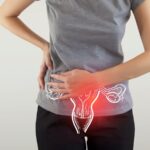
A trip to the bathroom during pregnancy can be a difficult interruption to an already busy day. Who would have thought that the hassle of going to the bathroom during your period would be replaced by the hassle of having a weak bladder? Fortunately, there are some things you can do to reduce extra urges and improve bladder control, starting today.
Why the extra trip?
There are countless reasons why your bladder behaves differently during pregnancy. Know that it’s normal to have periods of increased urination. During pregnancy, your body retains more water and your kidneys work overtime to remove waste products from your body. During the first few weeks of pregnancy, you may feel the need to visit more frequently due to natural hormonal changes.
In the third trimester, you’ll gain weight and your baby’s position may change, which can also put more pressure on your bladder. As a result, you may need to urinate more frequently and may even leak small amounts of urine, especially if your pelvic muscles are weak.
strengthen the bladder
If your bathroom breaks are taking too long, there are some simple changes you can make to improve the situation. Make sure to empty your bladder completely when going to the bathroom. Some women suggest that leaning forward a little can help. Drink water regularly during the day, but avoid it right before bed. Another important step is to pay more attention to what’s inside your cup.
It’s not just when you drink or how much you drink, but what you drink that may be the cause of your problems.
6 drinks that may cause you to take a bathroom break:
- coffee & tea:Caffeinated drinks have a diuretic effect, increasing the amount of urine you urinate (even decaffeinated coffee and tea contain some caffeine).
- Highly acidic fruit juice: These drinks, including citrus fruit, tomato juice, and pineapple juice, contain large amounts of citric acid, which can irritate the bladder.
- Carbonated drinks: Carbonated drinks like club soda and cola can aggravate your bladder, as can acidity, even if they don’t contain caffeine.
- Artificially sweetened drinks: Next time you reach for your soda or juice, check the label before drinking. Research shows that the fake sugars often found in very sugary drinks can lead to more trips to the bathroom throughout the day and night.
- alcohol: Of course, you shouldn’t drink this anyway, but in addition to the major risks, alcohol has also been shown to act as a bladder stimulant.
- Extra sugary drinks: Sugary drinks like honey, corn syrup, and fructose can aggravate your bladder and make you need to go to the bathroom.
Common bladder changes during pregnancy
Frequent urination
the baby grows in the womb, expandmore pressure on the bladder reduces the amount of urine it can hold. This is why you need to pee more often.
infectious disease
During pregnancy, your body undergoes many hormonal and physical changes, which increases your chances of getting a urinary tract infection (UTI) or kidney infection. If you think you have a UTI, it’s important to see your doctor right away. If left untreated, these infections can lead to complications such as: Premature birth. For this reason, your doctor may do the following: check for bacteria If an infection is found in your urine, your doctor may prescribe antibiotics, even if you don’t report symptoms of a urinary tract infection.
bladder leakage
Pressure from the uterus also pulls on the muscles that support the pelvic organs (pelvic floor). This can cause “”.stress incontinenceBasically, if you pee or laugh or cough or sneeze a little harder, it can leak a little bit.
kidney stones
As the uterus grows, it puts pressure on the urinary tract, which can affect how urine drains from the kidneys to the bladder. Also, the amount is calcium increases Urine during pregnancy can increase the risk of kidney stone formation. Kidney stones do not occur very often during pregnancy, but when they do occur, they usually occur during the second or third trimester.
conclusion
The key to finding out what’s right for your body is simply paying attention to how different drinks and foods affect you. Adopting healthy intimate habits can also have a big impact on your daily health before, during, and after pregnancy. Watch for signs of infection, wipe from front to back, wear breathable clothing, and only wash with products specifically designed for intimate use. All of these will help you stay fresh and healthy every day.
Finally, as your baby and belly grow, so does the pressure on your bladder and pelvic floor. Pelvic floor muscles are responsible for keeping bodily functions under control, and when weakened they can cause bladder leakage. You can strengthen your pelvic floor with simple contraction and release exercises called Kegels. Learn more about these exercises and how to prevent urinary incontinence during pregnancy.
Please note that the advice provided by Intimina may not apply to your individual case. Always consult your physician or other qualified health provider if you have specific health concerns.