Blaming yourself for your food choices can have a serious negative impact on your mental health
Lampert says judging people (or yourself) based on how they eat is also incredibly reductive. Your choice of salad, sandwich, or pasta has no bearing on your worth as a person.
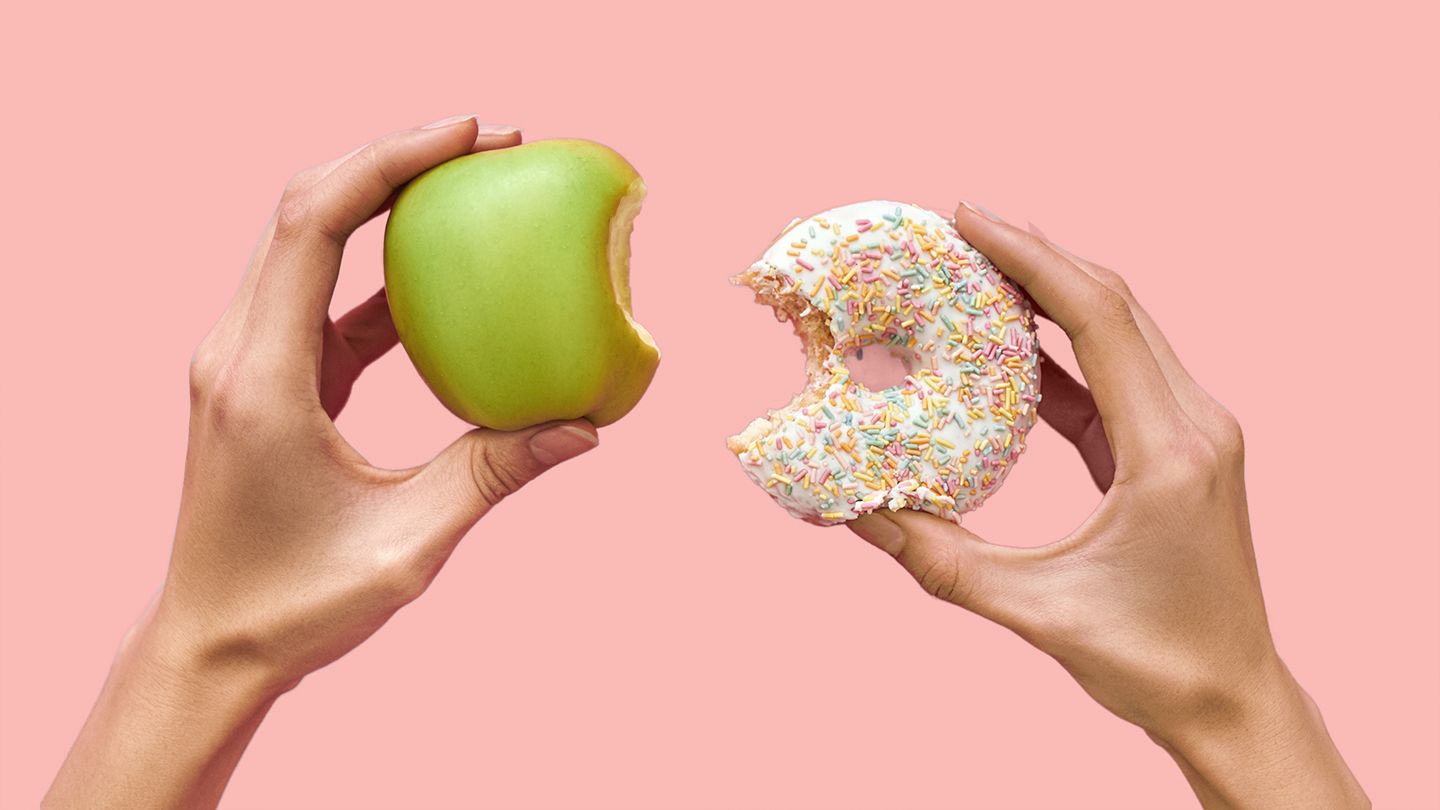
“Viewing foods as good or bad tends to create feelings of shame and guilt for eating certain foods,” says Wengler. But no matter what diet experts say, you are so much more than what you eat.
In fact, insisting on eating a certain way or beating yourself up for not eating a certain way can have negative effects on your health.
“When it comes to mental health, an obsession with ‘good’ and ‘bad’ food is unhealthy,” says Atkinson. For example, if you consider a burrito or ice cream cone to be “bad” food and feel shame or guilt every time you eat it, it can have a significant negative impact on your mental health.
Orthorexia: When healthy eating becomes a hindrance
Focusing too much on eating “good” food can even make you sick in itself. Orthorexia, a term coined in 1998 to describe an obsession with “healthy” eating, is still on the rise, Wengler said.
Because orthorexia is not classified as a clinical eating disorder, there is not much data on its prevalence. Research shows that the incidence of orthorexia varies, but in some populations, up to 90% of people may be affected by orthorexia.
Viewing food as good or bad can lead to stress and anxiety, which can make simple tasks like grocery shopping and preparing dinner more difficult, Wengler says. This habit can lead people to more disordered eating habits and affect their mental health, she added.