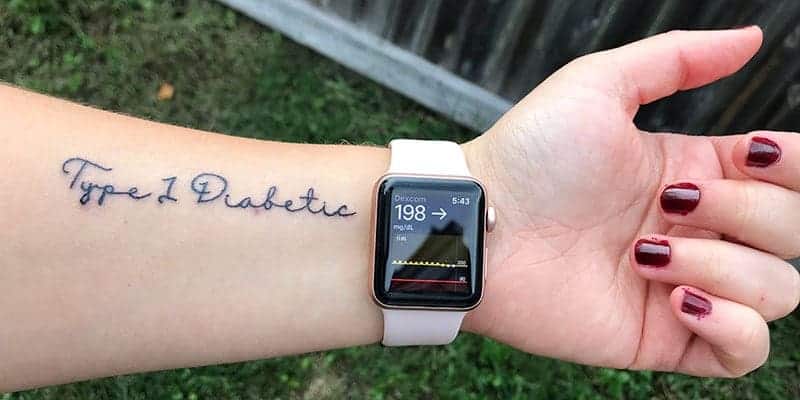
Diabetics can safely get tattoos, but there are important considerations to keep in mind before heading to a tattoo parlor.
This article explains what you need to know about diabetes and tattoos, the potential risks, and how to ensure proper healing.
Your A1c and overall risk of infection in your new tattoo
People with diabetes are often hesitant to get a tattoo because high blood sugar levels can impede healing and increase the risk of infection.
According to the research of diabetes careBoth type 1 and type 2 diabetes increase the risk of infection, but type 1 diabetes poses a slightly higher threat.
Just as untreated blisters can lead to infection and gangrene, tattoos in people with poorly controlled blood sugar levels can also lead to serious infections.
Before getting a tattoo, consider these guidelines regarding A1c (a measure of blood sugar control over the past 2-3 months).
A1c less than 8.0: If your last few A1c test results have been below 8% and you don’t have any complications, such as neuropathy (nerve damage), heart disease, or kidney problems, your tattoo is safe as long as you take good care of it and manage your blood sugar levels properly.
A1c 9.0 or higher: If your A1c is above 9%, or if you have comorbidities such as neuropathy or circulatory problems, it may be dangerous to get a tattoo. Slow healing allows bacteria to grow, which can lead to infection and gangrene.
Just because you have a high A1c doesn’t mean you shouldn’t get a tattoo. It may motivate you to improve your blood sugar management in the first place.
Leanne Matthews, who has lived with type 1 diabetes for more than 16 years and has three tattoos, points out:
She advises waiting until your blood sugar levels are in a healthy range to avoid complications.
See below for more information. How to lower your A1c: The complete guide.
Is metformin a problem?
For people taking metformin to manage type 2 diabetes, there is no immediate concern that the drug will affect their ability to get a tattoo.
The most important factor is keeping blood sugar levels within a healthy range to minimize the risk of infection and ensure proper healing.
What a healthy healing process for a tattoo should look like
No one’s tattoo will look great during the first week of healing, so it’s helpful to know what’s normal. Authority Tattoo describes the stages of healing as follows:
- Stage 1 (days 1-6): Bleeding, swelling, and redness are common, but they gradually improve each day. A scab will begin to form.
- Stage 2 (days 7-14): Itching and peeling starts and continues until all the dead skin and scabs fall off.
- Stage 3 (days 15-30): The tattoo will appear to be completely healed, but it may appear slightly cloudy. The deeper layers of your skin are still healing, so continue to take care of them.
How to properly care for your new tattoo
Caring for your new tattoo is easy, but it’s important to prevent infection and ensure it looks good after healing. Your tattoo artist will give you instructions, but here are the basics:
- Gently wash your tattoo every morning and night using warm water and antibacterial soap. Pat dry with a clean towel or paper towel.
- Always wash it off if it comes into contact with dirt, sweat, or other unclean environments.
- Apply a recommended lotion, such as Vaseline or cocoa butter, twice a day. Avoid lotions with added scents or colors as they can increase the risk of infection.
Leanne, who has multiple tattoos, said:
As a regular gym goer, she always made sure to wash her tattoos immediately after a workout to avoid infection from sweat or gym equipment.
The most common causes of tattoo infections
Preventing infections while your new tattoo heals seems easy, just keep it clean, right?
But in reality, there’s a long list of things that can easily cause an infection, many of which you might not even consider, such as the type of lotion you use every day.
The most common causes of tattoo infections are:
- High blood sugar levels in diabetics
- Unsanitary tattoo environment and equipment
- Ineffective cleaning methods
- Re-roll the tattoo (to trap bacteria and sweat)
- Pick or peel off scabs (scabs help your skin heal!)
- hurt the tattoo
- Bathing in dirty water (choose shower)
- Let someone touch your new tattoo
- Using too much lotion – use only as directed
- Unhealthy lifestyle habits such as nutrition, drinking, and sleep.
Keep your tattoo clean and dry, avoid scratching or picking it, and be sure to use a recommended tattoo moisturizer, such as Vaseline. And when you show it, remind your friends to only look and not touch it.
New tattoo shows signs of infection
Authority Tattoo explains:
They also warn that even small tattoos can lead to serious infections and prompt action is needed.
The most common signs of infection are:
- macular rash (red or white)
- I had extreme redness 5 days after getting the tattoo.
- Severe itching (mild itching with healthy scabs is normal; apply more Vaseline)
- hot to the touch
- Swelling 5 days after tattoo
- Oozing scabs (regular scabs are fine, but oozing is not)
- Blisters
- Excess pus, especially those with pimple-like bumps
- bad smell
- Red stripes around the tattoo (a sign of sepsis)
- Swollen lymph nodes (indicating your body is fighting an infection)
- fever and fatigue
If you notice any of these symptoms, seek immediate medical attention or emergency treatment. Because our bodies are prone to complications, diabetics should treat infections very seriously, even if their A1c levels are well-controlled.
Check out Authority Tattoo to see photos of infection symptoms. However, please note that the images are graphic.
Consider tattoo location
It’s almost as if diabetes is still a part of your life, even deciding where it’s safe to get a tattoo.
Areas with impaired circulation
Even if your A1c has been below 8% for years, you still experience circulatory problems in certain areas of your body.
Hands, feet, ankles, and shins are commonly “tattooed” areas, but they may not heal quickly due to poor blood flow, which increases the risk of infection.
If you choose to get a tattoo despite having a neurological disorder, it’s best to avoid these areas completely.
Common injection, infusion, and CGM sites
Do you frequently inject insulin into the back of your arm? Is the pump site typically your abdomen or thigh? These areas tend to develop scar tissue over time and are not well-suited for tattoos.
Additionally, once you have a tattoo, you don’t want to keep using it for injections or sensors, as repeated use of the needle can damage the tattoo.
Leanne admits she didn’t follow this advice very closely.
It’s unfortunate that diabetes affects where you get your tattoo, but it’s important to think carefully before choosing a location that could interfere with the injection or healing.
When it’s time to get your first tattoo…
If there’s ever a time when you’re a little more concerned about managing your blood sugar levels, it’s right before you get your tattoo and during the few weeks it takes for your tattoo to heal.
Keep in mind that even though the outside of your tattoo may seem to have healed within the first week, there is still significant healing occurring in the tissue beneath the surface.
The more consistently you maintain your blood sugar levels within a healthy range during the healing process, the better and faster your healing will be, and the less chance of complications and infections.
Do EMTs notice diabetes “medical alert” tattoos?
We often see “type 1 diabetes medical alert” tattoos on social media, but before you replace your medical alert jewelry with a tattoo, it’s important to know if EMTs and EMTs are actually looking for them.
The truth is, EMTs don’t necessarily notice or rely on tattoos. Leanne says,
That being said, it’s possible that an EMT will be able to find your tattoo and test your blood sugar levels, leading to a correct diagnosis. Although not completely overlooked, tattoos should not replace traditional medical warning jewelry.
Is a tattoo the right choice for you?
Getting a tattoo is a big decision, and for some, it can even be life-threatening. No one wants diabetes to dictate what they can and cannot do, but it’s important to be honest about blood sugar management before getting a tattoo.
If the idea of getting inked motivates you to improve your blood sugar management, that’s great.
In the meantime, you can always pick up a Sharpie and practice drawing until you’re ready. (And seriously, think twice about design. When you’re 65, having a picture of Ryan Gosling’s face on your left butt cheek might not seem so cute.)
diabetes tattoo ideas
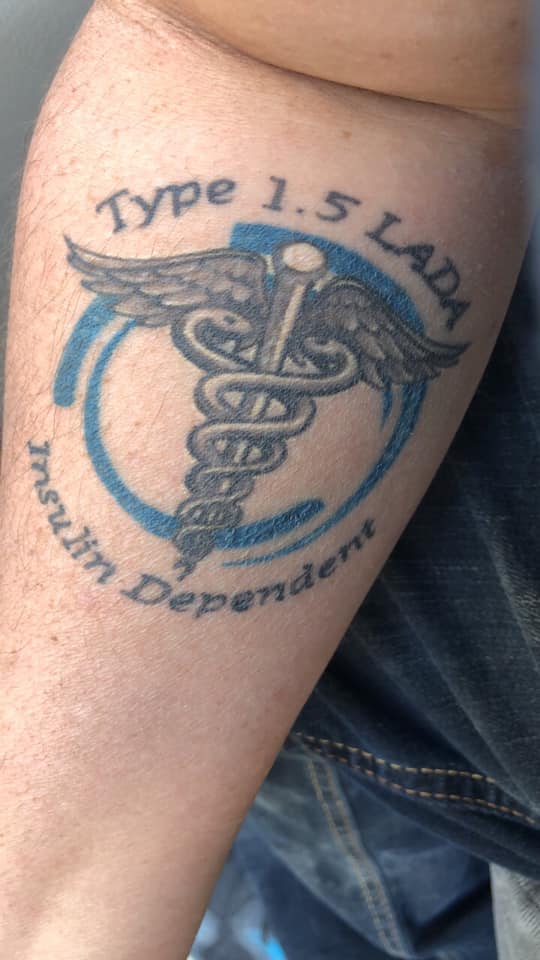
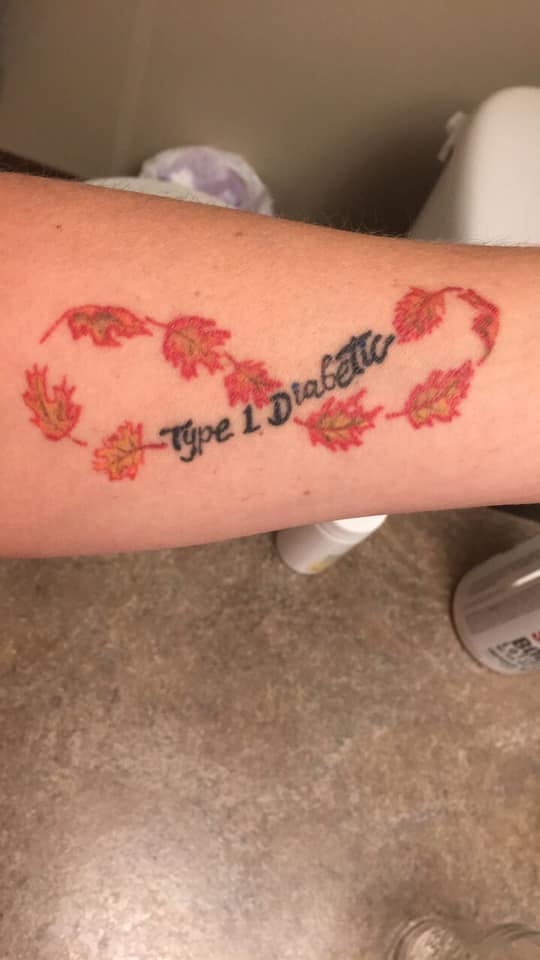
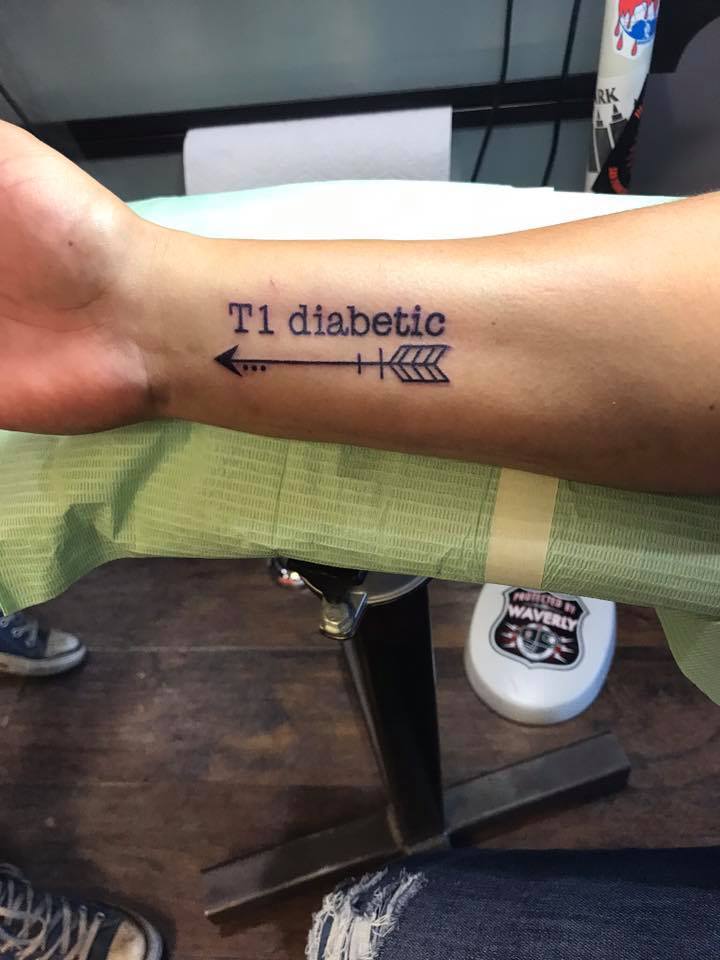
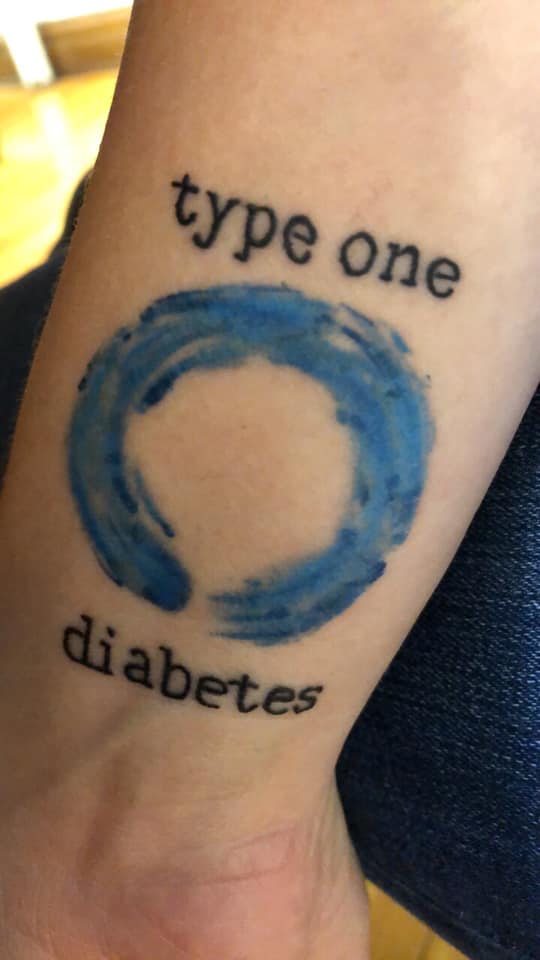
When we asked our Facebook community to share their diabetes tattoos, more than 100 people responded with ink. Here are just a few of the tattoos they shared.
“I am more than the ups and downs” diabetes tattoo
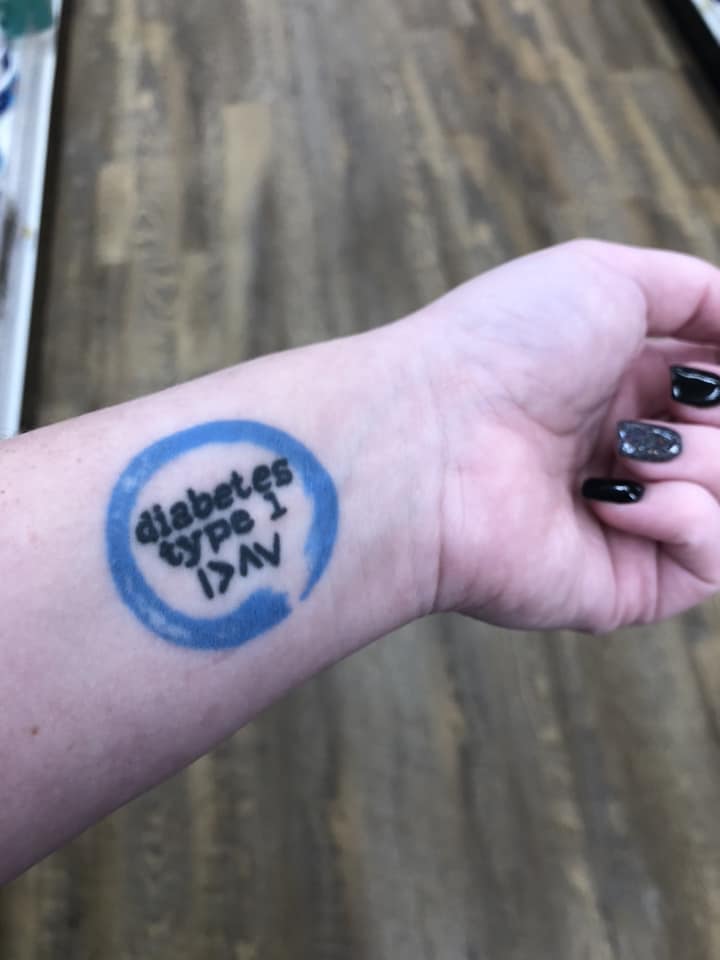
medical warning diabetes tattoo
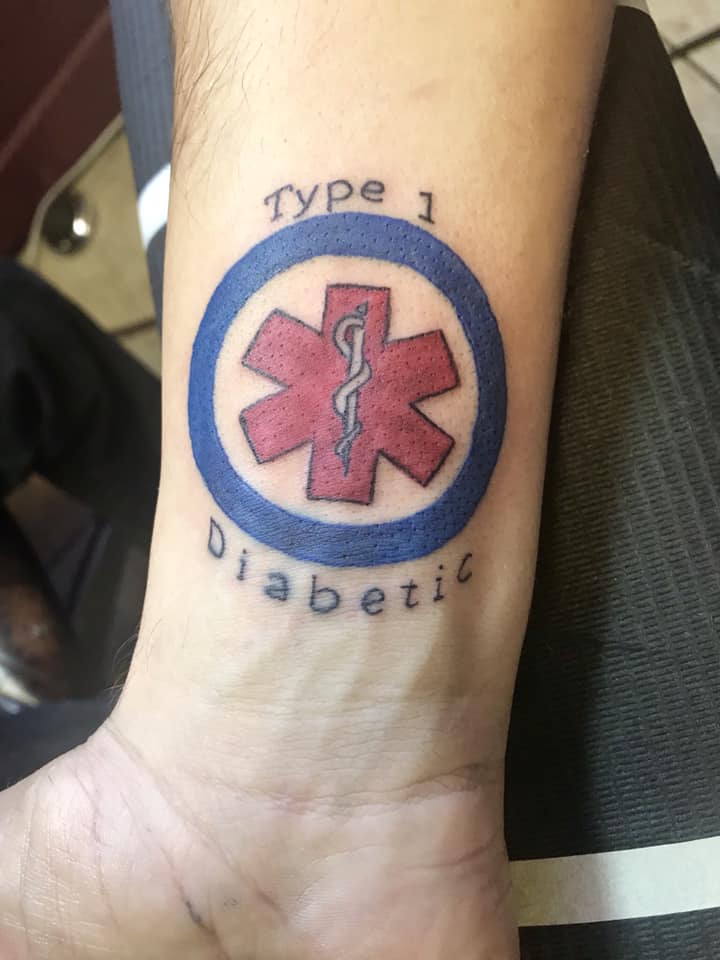
type 1 diabetes tattoo
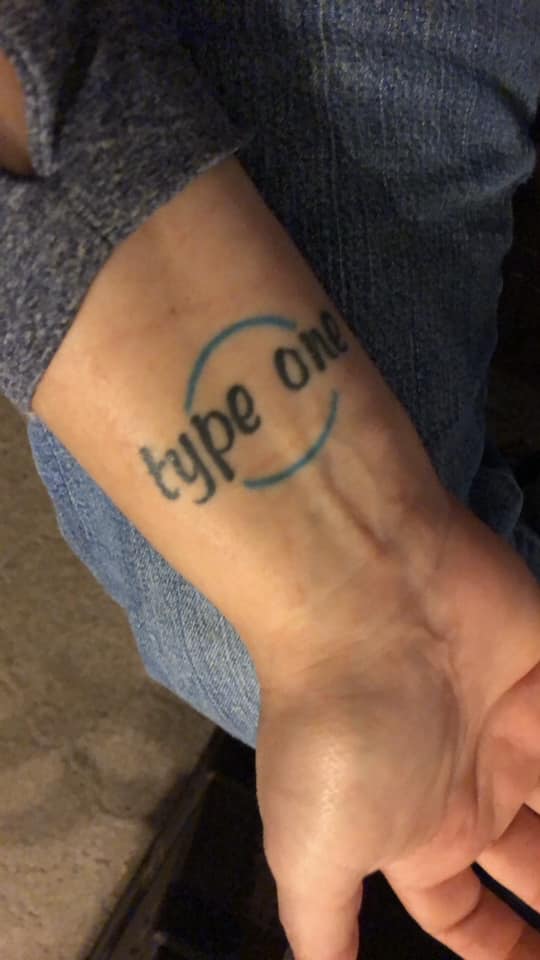
insulin dependent tattoo
artistic diabetes tattoo
T1 diabetes tattoo
blue circle diabetes tattoo
Was this article helpful? Let us know by clicking Yes or No below.