A new study from Sweden suggests that older people with a high genetic risk of developing Alzheimer’s disease may maintain better long-term brain health if they eat a little more meat in their diets.
The researchers focused on older people with mutations in the APOE4 gene, a gene that increases the risk of Alzheimer’s disease.
Can meat protect the brain?
The study followed more than 2,100 adults aged 60 and older for up to 15 years. None of the participants had dementia at the start.
They filled out a food questionnaire to track their diet. The researchers then compared diet and changes in participants’ cognitive function and dementia status over time, while controlling for factors such as age, education, and lifestyle.
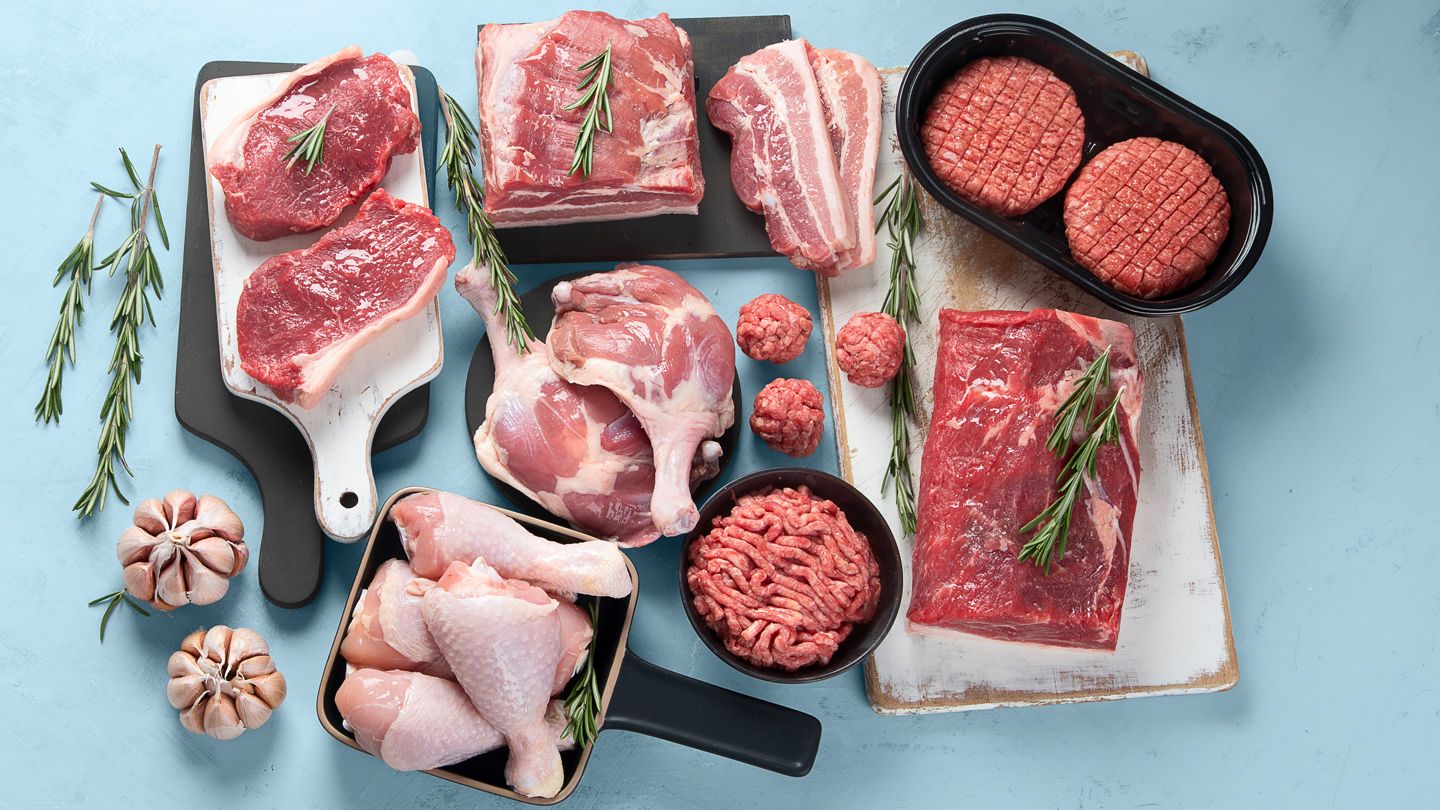
The study classified red meat (beef and pork) and poultry (chicken and turkey) as unprocessed products, and identified deli meats, bacon, and sausage as processed products.
Participants were divided into five groups based on the total amount of meat they ate. Those with low levels ate just over an ounce of meat per day, while those with high levels ate about 4.5 ounces of meat per day, or less than an average-sized chicken breast.
Americans eat about twice that amount every day.
“The group that ate the most meat was far from following a ketogenic or carnivorous diet,” said lead author Jakob Norgen, Ph.D., a postdoctoral fellow at the Karolinska Institute in Stockholm, Sweden.
The researchers found that among participants who carried one or two copies of the high-risk APOE4 gene, those who ate the most meat did not experience the same cognitive decline over the 15-year study period as those who ate the least meat, Dr. Nogen said.
The findings suggest that unprocessed meat may have some brain-protective effects in people at high genetic risk.
However, people who ate the most processed meat had a higher risk of dementia, regardless of which APOE gene they carried.
Nitrates in processed meat may be harmful to the brain
Dr. Hussein Yassin, a professor of neurology and director of the Center for Personalized Brain Health at the Keck School of Medicine of the University of Southern California in Los Angeles, said the findings may reflect how processed and unprocessed meats affect the brain.
“Additives such as nitrates in processed red meat have negative effects on the brain, as opposed to unprocessed red meat, which is more nutritious,” says Dr. Yassin, who was not involved in the study. “This distinction is important.”
research has limits
The study also had important limitations, Yassin said. This is observational, meaning that researchers tracked health outcomes over time compared to a control group without any intervention, such as asking a group to take medication or follow a certain diet.
This type of study cannot prove that eating more meat has a specific effect on the brain, only that there is an association. There may be other factors that influence cognition and dementia risk that the researchers were not able to account for.
Yassin also noted that the study was based on self-reported food diaries, which could be inaccurate.
How diet interacts with genetic risk
Previous research supports the idea that diet and genetics interact, said Dr. Michael Lutz, a professor of neurology at Duke University School of Medicine in Durham, North Carolina, who was not involved in the study.
Similar patterns have been observed in large-scale studies such as the UK Biobank study.
But the new study is inconsistent with much of the previous research on diet and dementia risk, Dr. Lutz says.
For example, one recent study found that eating more red meat, especially processed red meat, was associated with a higher risk of developing dementia and poorer cognitive function.
One possible explanation for the latest findings may have to do with heart health, Lutz said. A Swedish study found that increased meat intake was associated with lower cholesterol levels and a lower ratio of saturated to polyunsaturated fats, and these factors are closely associated with improved brain health.
How genes shape Alzheimer’s disease risk
Approximately 50% of the population has two copies of APOE3, which is associated with average Alzheimer’s disease risk.
25-30% of people have at least one copy of APOE4. Those with one copy face three to four times the risk. People with two copies of APOE3 develop Alzheimer’s disease more than 10 times as often as people with two copies of APOE3.
Still, most adults with one copy of APOE4 are never ultimately diagnosed with Alzheimer’s disease.
“Genetic predisposition is a relative risk, not a definitive prognosis of developing Alzheimer’s disease symptoms at a certain age,” Lutz says.
Expert advice to lower your risk of Alzheimer’s disease
Healthy habits that can help delay the onset of Alzheimer’s disease are similar regardless of genetic risk, but adopting them early in life may be especially important for people with more risk factors, including APOE4 variants, Lutz says.
He suggests the following evidence-based strategies:
- Take care of your heart by managing your blood pressure and cholesterol
- Move your body regularly.
- Stay socially and cognitively active.
Lutz recommends (and practices) the MIND diet, which research has linked to slowing cognitive decline. This diet focuses on:
- Green and yellow vegetables and other vegetables
- berries
- whole grain
- fish and poultry
- nuts and olive oil
Red meat, butter, cheese, sweets, fried foods and fast food are also restricted.