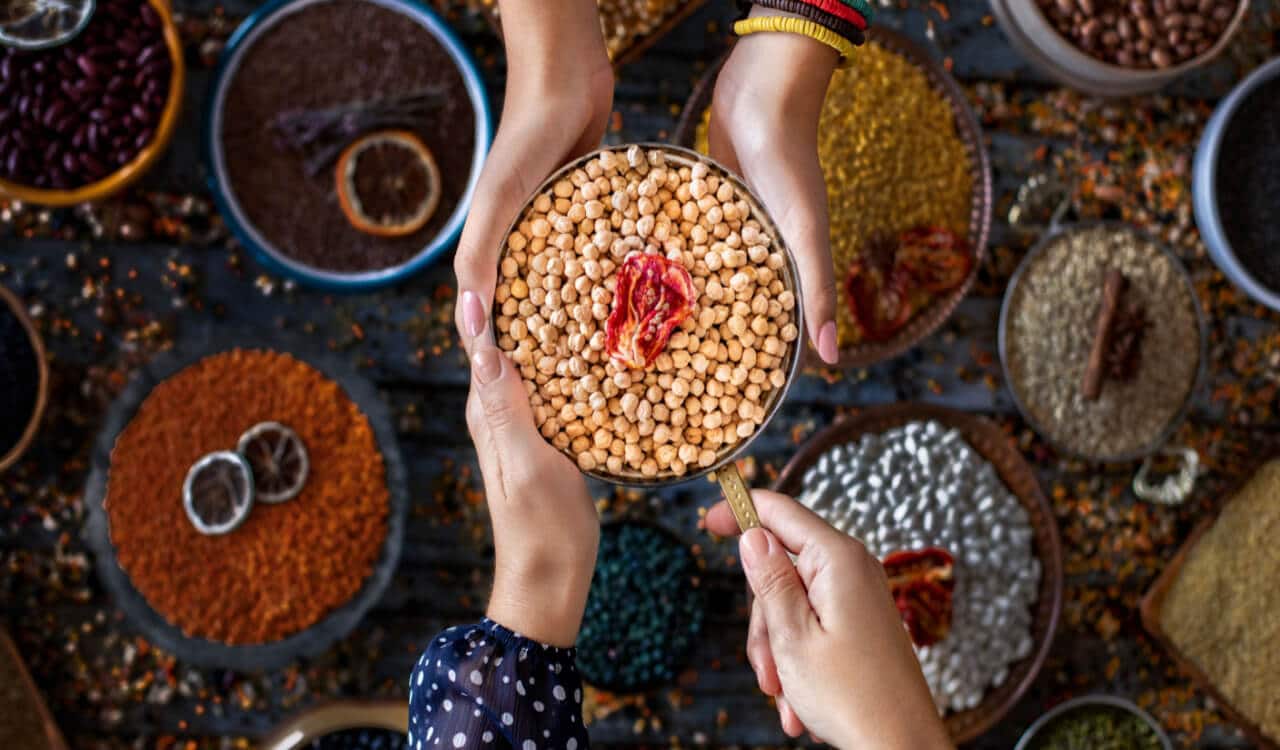
Chickpeas are one of the most popular legumes in the world. It is used as an ingredient in a variety of cuisines, including the Middle East, India, Israel, Spain, and North Africa. This traditional bean has its origins in the Middle East. Its cultivation began 7,500 years ago. Today, chickpeas have become an essential ingredient in many home kitchens.
Also called chickpeas or ceci, they are small in size. It is usually available in dry form and must be soaked and cooked before eating. Chickpeas can be canned, ground, stewed, or pureed. When cooked, chickpeas have a grainy texture and nutty flavor that pair well with many other foods. Chickpeas are not only very tasty, but also rich in fiber, minerals, and vitamins.
It provides many health benefits, including reducing disease risk factors, managing weight, and improving digestion. Chickpeas are also rich in vegetable protein. Its high protein content makes it one of the best meat substitutes. Therefore, chickpeas are an essential part of vegan and vegetarian diets.
Nutritional value of chickpeas
Chickpeas have a unique nutritional profile. One 28-gram serving has 102 calories, while 1 cup (164 grams) of boiled chickpeas has only 269 calories. Almost 67% of the weight of chickpeas is made up of carbohydrates, and the rest is made up of protein and fat.
Did you know that 1 cup of chickpeas provides up to 40% of your daily fiber needs, 70% of your folic acid needs, and 22% of your iron needs? Additionally, it has a low glycemic index. This means your body digests these legumes more slowly, which helps you feel fuller longer and prevents your blood sugar levels from rising.
Below is the nutritional profile for 28 grams of raw chickpeas.
- Calories: 102
- Carbohydrates: 17 grams
- Fat: 1.5 grams
- Dietary fiber: 7.9 grams
- Protein: 4.8 grams
chickpeas for weight loss
Chickpeas are known for their low calorie content compared to the number of nutrients they contain, which is why they are known to help prevent weight gain. Let’s say you eat a low-calorie, high-fiber food like chickpeas every day.
In that case, you are more likely to lose weight, especially when combined with exercise. Additionally, the high fiber and protein content in chickpeas promotes weight loss. Both ingredients slow digestion and increase satiety.
Weight loss studies show that people who regularly consume chickpeas are 53% more likely to have a lower BMI. Waist circumference was also lower compared to those who did not consume chickpeas. Another study found that eating chickpeas daily increased weight loss by 25%.
10 health benefits of chickpeas
There are several health benefits to consuming chickpeas beyond weight loss. They are:
1. Chickpeas lower blood sugar levels
Chickpeas have a low glycemic index. A low GI means that chickpeas take longer to be absorbed and digested by the body. This property helps regulate blood sugar levels and prevents them from rising too quickly. Additionally, chickpeas are an excellent source of protein. Research shows that consuming foods rich in protein can help maintain healthy blood sugar levels.
The American Diabetes Association recommends chickpeas as a source of fiber for people with diabetes. A 2014 study states that consuming about 30g of fiber daily may reduce inflammation in people living with type 1 diabetes. Ideally, the recommended intake for adults is 28.0 grams of fiber per day.
Another 2014 meta-analysis linked high fiber intake to a lower risk of type 2 diabetes. That’s why nutritionists always say that diabetes-friendly meal plans should include chickpeas.
2. Chickpeas promote bone health
Chickpeas contain all the minerals you need to promote healthy, strong bone structure, including calcium, iron, and magnesium. Therefore, incorporating them into your daily diet is a great way to prevent osteoporosis. But first, make sure to pre-soak to remove the phytates. Phytates can interfere with your body’s absorption of the calcium found in chickpeas.
3. Chickpeas can help control blood pressure
Consuming chickpeas can increase potassium levels. Chickpeas are naturally rich in this mineral. Chickpeas should be added to your diet to meet your daily potassium needs. One cup (200g) of raw chickpeas contains 1,750mg of potassium. Research shows that potassium can help prevent and treat high blood pressure. Adults should consume 4,700 mg of potassium each day.
If you use canned chickpeas, pay attention to the sodium content on the ingredient label. To manage and limit your sodium intake, it’s always best to cook with dried chickpeas. It is recommended to keep daily sodium levels below 2,300 to prevent cardiovascular disease.
4. Chickpeas promote heart health
Chickpeas are rich in B vitamins, fiber, selenium, iron, and magnesium, which support heart health. For example, dietary fiber lowers blood cholesterol levels, which reduces your risk of developing heart disease. Additionally, research studies have shown that the soluble fiber found in chickpeas reduces “bad” cholesterol and triglycerides, reducing the risk of heart disease.
5. Chickpeas can help fight cancer
Free radicals are the cause of cancer. These are harmful substances that accumulate in the body due to poor metabolism. Elevated toxin levels cause cell damage and lead to a variety of health problems, including cancer.
Chickpeas contain antioxidants such as beta-carotene and selenium. These are essential in scavenging free radicals. One cup of chickpeas contains 6.1 mcg of selenium. The recommended daily requirement for selenium for adults is 55 μg. Selenium is a powerful antioxidant and can protect the body from the development of cancer. Combining this antioxidant with fiber can reduce the chance of developing cancer.
Additionally, chickpeas contain a short-chain fatty acid called butyrate, which research has shown can help reduce inflammation in colon cells. This ingredient helps reduce cell growth and division and instead causes programmed cell death. Therefore, it helps reduce the risk of colorectal cancer.
6. Chickpeas reduce cholesterol
As mentioned earlier, chickpeas contain dietary fiber, which lowers cholesterol levels. Results from a 2006 study showed that participants who regularly consumed chickpeas had lower LDL (low-density lipoprotein) levels compared to those who consumed only a wheat-based diet. Researchers have linked the high fiber content in chickpeas to lowering harmful cholesterol levels.
7. Chickpeas improve brain function and mental health
One cup of chickpeas contains 69.7 mg of choline. Choline is a mineral essential for nervous system and brain function. Choline plays an important role in learning, memory, mood regulation, metabolism, and muscle control. The recommended daily intake of choline for adults is 400 to 550 mg.
Recommended amounts vary depending on gender and condition, such as whether you are breastfeeding or pregnant. Additionally, the selenium found in chickpeas supports thinking and memory. A study investigating cognitive decline in older adults found decreased selenium levels.
Research also shows that some of the other nutrients found in chickpeas, such as magnesium, zinc, and selenium, may play a role in protecting the brain from depression. However, other studies have also reported a link between magnesium and anxiety and migraines.
8. Chickpeas promote digestive health
Chickpeas are a good source of fiber, especially soluble fiber. Soluble fiber helps prevent the overgrowth of unhealthy bacteria while promoting the growth of healthy bacteria in your gut. Studies have shown that consuming a high-fiber diet reduces the risk of developing digestive problems such as colorectal cancer. It also keeps your bowel movements regular and promotes intestinal health.
9. Chickpea aid weight management
If you’re trying to lose weight or stay within a healthy weight range, chickpeas are your friend. Additionally, the dietary fiber they contain acts as a bulking agent. As a result, chickpeas keep you feeling full for longer. In addition, the high protein content reduces appetite and limits caloric intake.
10. Chickpeas can help prevent iron deficiency
Iron is an essential mineral for the body. Red blood cells help carry and deliver oxygen throughout the body. A lack of iron in the body causes a feeling of fatigue and weakness. Additionally, low iron levels can lead to life-threatening health conditions. Chickpeas are an excellent source of iron. One cup of chickpeas contains about 26% of your daily intake. Chickpeas also contain vitamin C. A recent study found that combining vitamin C and iron may increase the body’s ability to absorb iron.
The best way to incorporate chickpeas into your diet
Chickpeas are easy to incorporate into your diet. Here are two popular recipes using this versatile ingredient.
#1 Hummus – Middle Eastern Dip
material:
- Cooked chickpeas – 1 cup
- Freshly squeezed lemon juice – 60ml
- Tahini – 60 grams
- Minced garlic – 1
- Olive oil – 30ml
- Powdered cumin – 1/2 teaspoon
- Salty to your liking
- Water – 45ml
- paprika for decoration
method:
- Combine chickpeas, cumin powder, tahini, lemon juice, salt, and garlic in a blender or food processor. Make sure the mixture has a smooth and creamy texture.
- Slowly add the olive oil a little at a time. Keep stirring.
- Depending on the thickness, add the desired amount of water and continue stirring. However, the amount of water should not exceed 45ml.
- Once the ingredients are well mixed, remove into a deep, wide bowl. Garnish hummus with paprika, cumin, and olive oil.
#2 Chickpea salad
material:
- Boiled chickpeas – 1 cup
- Extra virgin olive oil – 1 tablespoon
- Lemon juice – 2 teaspoons
- Salt – 1/2 teaspoon
- Chopped tomatoes – 1/2 cup
- Diced cucumber – 1/2 cup
- Onion slices – 1/2
- Chopped coriander leaves – 1/4 cup
- Black pepper – 1/8 teaspoon
method:
- Mix all vegetables and chickpeas in a deep bowl.
- Next, combine the lemon juice, salt, pepper, and olive oil in a separate mixing bowl.
- Pour over the chopped vegetables and garnish with cilantro.
Who should not eat chickpeas?
- People with gastrointestinal disorders may want to avoid chickpeas. They contain complex sugars that can be difficult to break down if your gut health is compromised.
- If you are allergic to other legumes, you may also be allergic to chickpeas. If you have allergies, eating chickpeas can cause nausea, itching, abdominal pain, and vomiting.
- Excessive consumption of chickpeas can increase uric acid levels and cause gout. However, please note that this is only in case of overdose. If you follow the recommended amounts, you will only get the benefits mentioned in this article.
Chickpeas: things to remember
- You can eat at least one serving (28 grams) of chickpeas a day. However, do not eat more than 70 grams a day as you may experience side effects.
- Eating too many chickpeas can cause side effects such as bloating, nausea, and gas.
- It is important to remember that chickpeas should not be eaten raw. Raw chickpeas contain toxins and other problematic substances that are difficult for your body to digest. Therefore, it can cause food poisoning.
- If you’re consuming canned chickpeas, be sure to find ones that say BPA-free on the label. BPA stands for bisphenol A, an industrial chemical often found in the coating on the inside of cans. Also, be sure to wash before eating.
- People taking medications that can increase potassium levels should consume chickpeas with caution, as they already contain large amounts of potassium.
- It is also safe for pregnant women to eat as long as they eat cooked chickpeas.
summary
Historically, chickpeas are a legume native to the Middle East. However, chickpeas are now world famous. This small bean has a nutty, buttery flavor and is a great ingredient in many dishes. Chickpeas also play an important role in promoting health and preventing disease. Make chickpeas a part of your daily diet and stay healthy for a lifetime.
Frequently asked questions (FAQ)
Q. Is chickpea a carbohydrate or a protein?
A. 28 grams of chickpeas contains an average of 18 grams of carbohydrates and 5 grams of protein. Therefore, it is rich in both carbohydrates and proteins.
Q. Are chickpeas effective for weight loss or dieting?
A. Chickpeas are a good source of protein and dietary fiber, two nutrients that help control weight.
Q. Are chickpeas good for you?
A. Chickpeas are a superfood containing nutrients such as protein, fiber, calcium, and iron.
Q. Are chickpeas safe to eat?
A. Raw chickpeas and other raw legumes should not be eaten because they contain toxins and substances that can be difficult to digest. Additionally, cooked chickpeas also contain complex sugars, which can be difficult to digest and cause intestinal gas and discomfort.
Q. Is it okay to eat chickpeas every day?
A. Yes, it is safe to eat every day. These help reduce “bad” cholesterol, thereby reducing the risk of heart disease.
Q. Do chickpeas make you fat?
A. No, it’s not. On the contrary, it helps you lose weight, as it contains fiber that keeps you feeling full for longer.
Q. Are chickpeas higher in protein than chicken?
A. No, chicken contains more protein than chickpeas. 100g of cooked chicken breast contains 22g of protein, while cooked chickpeas contain 9g of protein.
Q. What will happen if I eat too much chickpeas?
A. Eating too many chickpeas in one meal can cause bloating and nausea. Therefore, remember to eat in moderation!
Q. Do chickpeas produce gas?
A. Yes, eating too many chickpeas can cause gas.
Q. Can chickpeas be eaten raw?
A. No, chickpeas cannot be eaten raw as they contain toxins and are difficult for the body to digest. Eating raw can cause food poisoning.
Q. Are chickpeas good for hair?
A. Vitamin A and zinc in chickpeas help prevent hair loss and dandruff.
Q. Are chickpeas effective for diabetes?
A. Yes, chickpeas are helpful as they are a good source of protein and can help lower blood sugar levels.
Q. Are chickpeas inflammatory?
A. Unless you are allergic to chickpeas or other legumes, they are unlikely to cause irritation. Chickpeas contain anti-inflammatory properties.
Q. Are chickpeas good for cholesterol?
A. Yes, chickpeas can help reduce “bad” cholesterol.
Q. How much protein is in 100g of boiled chickpeas?
A. 100 grams of boiled chickpeas contains 9 grams of protein.
Q. How many calories are in 100 grams of raw chickpeas?
A. 100 grams of raw chickpeas has 364 calories.