Home cholesterol kits are useful for routine monitoring, but they are not a substitute for laboratory testing. Your cardiologist will explain how reliable it is and when to see a doctor.
Cholesterol is one of those health terms we hear so often, but we rarely think about it until we’re surprised by the test results. This is a waxy, fat-like substance found in the blood that is essential for the production of hormones, vitamin D, and healthy cells. The problem begins when cholesterol levels quietly rise without any obvious symptoms. High cholesterol can secretly increase your risk of heart disease and stroke, often going undetected for years. That’s why regular testing is important. However, you no longer need to go to the lab every time. With the availability of home cholesterol test kits, many people are wondering whether they can safely measure their cholesterol at home.
Cardiologist Dr. Brajesh Kunwar explains to Health Shots how these kits work, their benefits, and limitations.
What is cholesterol? Why should I track my cholesterol?
Cholesterol is produced by the liver, but is also found in foods such as dairy products, fried foods, and red meat. It moves in the blood as lipoproteins, LDL (bad cholesterol) and HDL (good cholesterol). High LDL can clog arteries, while HDL helps remove excess cholesterol from the blood.
According to Dr. Kunwar, there are usually no warning signs for high cholesterol. “People often feel perfectly fine until complications develop. Regular check-ups are the only way to know how they’re doing,” he says.
How can I measure cholesterol at home?
Home cholesterol test kits are easily available at pharmacies and online. Most kits follow a simple process:
- Purchase a Home Cholesterol Test Kit approved by the Food and Drug Administration
- Fast for 8-12 hours as directed
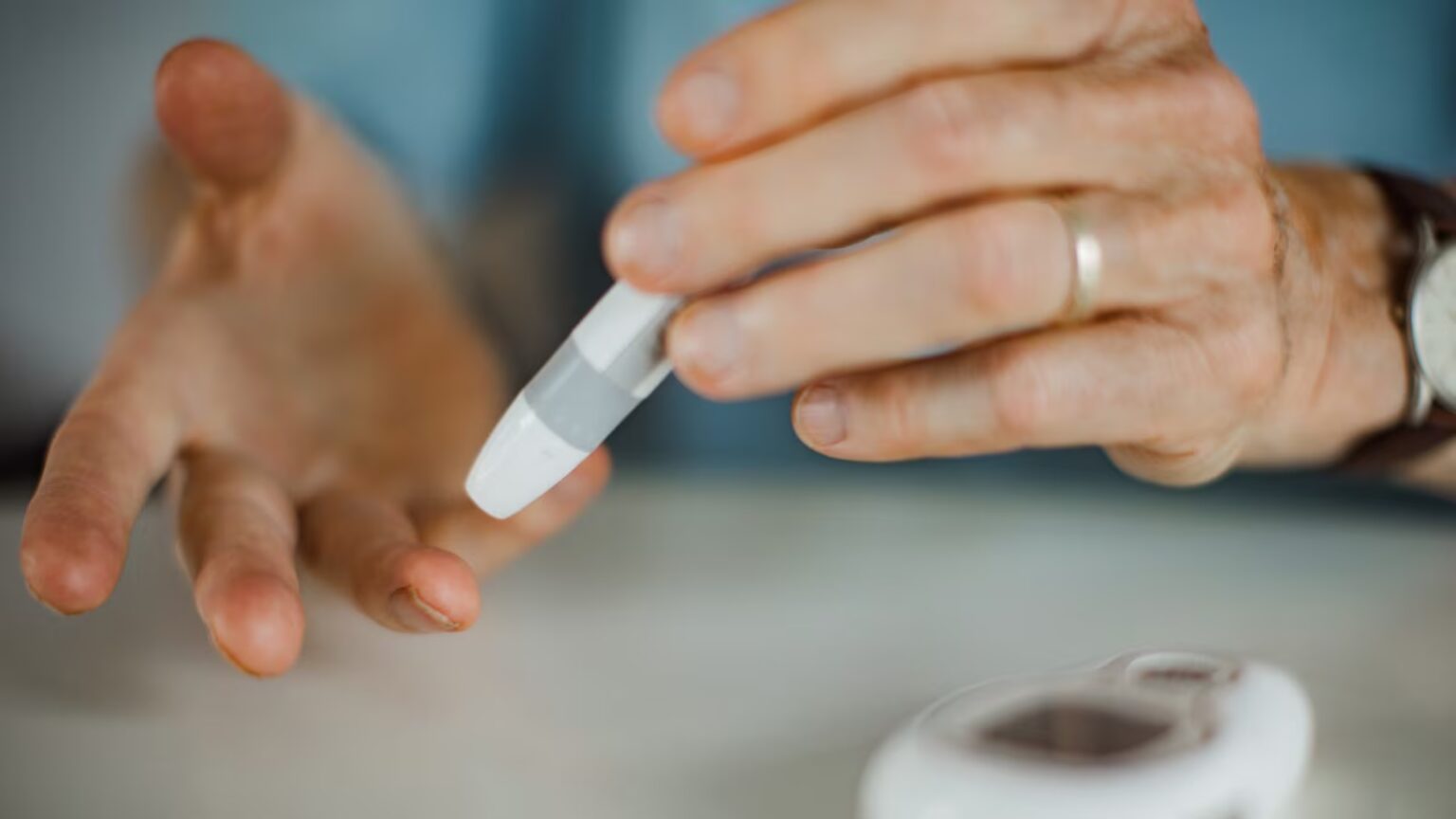
- prick your finger with a lancet
- Place a drop of blood on the test strip
- Insert the strip into the meter or wait for the color change
- Read and record results

The process is quick and convenient, with results typically available within minutes.
What do household cholesterol levels mean?
Most home kits measure total cholesterol, and some also display HDL and LDL levels. According to CDC guidelines:
- Total cholesterol: less than 200mg/dL
- LDL (bad cholesterol): less than 100mg/dL
- HDL (good cholesterol): 60mg/dL or more
Dr. Kunwar explains that while these numbers give a general idea, they should not be taken in isolation. Age, lifestyle, current situation, and family history are also important.
Are home cholesterol tests accurate?
Home kits are useful for basic monitoring but are not as accurate as laboratory tests. Many kits do not provide a complete lipid profile and may estimate LDL levels instead of directly measuring them. “Home kits are good for tracking trends, but not for making medical decisions,” says Dr. Kunwar.
Who should consider home cholesterol testing?
Home cholesterol kits are useful for people who already know they have high cholesterol and want to monitor changes between doctor visits. It may also be suitable for people who are managing lifestyle changes such as diet and exercise.
However, people with diabetes, heart disease, obesity, or a family history of heart disease should rely on regular laboratory tests and medical guidance, not just home kits.