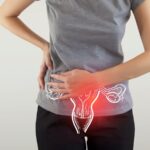
From iron-rich meals during your period to fiber-rich meals during your luteal phase, your gynecologist will break down what you should eat during your menstrual cycle.
Mood swings, bloating, appetite: If these sound familiar, you know what the side effects of the menstrual cycle are. Each month, your body goes through four different phases: the menstrual phase, the follicular phase, the ovulatory phase, and the luteal phase, each characterized by unique hormonal changes. At each stage, your hormones fluctuate dramatically, affecting your mood, energy levels, appetite, digestion, and even how your body processes nutrients. You can tailor your nutrition and diet to your menstrual cycle to support your hormones, energy, and overall health.
Although every woman’s cycle is different, a typical menstrual cycle is 21 to 35 days, with the average being about 29 days. Each stage of the cycle involves a series of physiological changes, and these fluctuations can be felt as disruptive. Synchronizing your cycles can help you cope with these hormonal fluctuations. From relieving menstrual cramps to boosting your energy and improving your overall hormonal balance, aligning your diet with your menstrual cycle can make a big difference in your health. We will introduce you to a diet plan tailored to your menstrual cycle.
menstrual period
This is the “period” phase of your menstrual cycle, which begins on the first day and usually lasts on average for about five days. Bleeding occurs when the endometrium sloughs off. When estrogen and progesterone reach their lowest levels, you may be left feeling tired and drained. Blood loss also means iron stores can drop, making fatigue more pronounced.
Focus on nutrition
- Foods rich in iron: Spinach, lentils, beets, red meat, and dates can help provide iron.
- Hydration: Drink water, herbal tea, or coconut water to stay hydrated and reduce bloating.
- Anti-inflammatory ingredients: Ginger and turmeric can help relieve cramps and reduce inflammation.
follicular phase
The follicular phase begins on the sixth day of the menstrual cycle and ends when ovulation begins. During this stage, the endometrial lining thickens and the follicles in the ovaries grow and develop. After your period ends, estrogen begins to increase and stimulates the growth of follicles in your ovaries. You’ll feel more energized, more focused, and more motivated. It’s an ideal time to support muscle building and cell regeneration.
Focus on nutrition
- Complex carbohydrates: Quinoa, oats, sweet potatoes, and whole grains provide energy.
- Lean protein: Chicken, tofu, eggs, and legumes support hormonal balance.
- Omega 3: Chia seeds, flaxseeds, and walnuts support follicle development.

ovulation period
This phase begins around day 14 of the menstrual cycle and lasts for 1 to 2 days. Ovulation is when the egg is released and estrogen reaches its peak. It’s a short but powerful time, often when you’re feeling your best. At this stage, your eggs benefit from nutrients that support egg health and hormonal balance.
Focus on nutrition
- Zinc and selenium: These are found in pumpkin seeds, oysters, and Brazil nuts and support reproductive health.
- Vitamin E: Sunflower seeds, almonds, and avocado support hormonal function.
- Antioxidants: Berries and leafy greens reduce oxidative stress and support fertility.
luteal phase
This phase begins immediately after ovulation. During this stage, progesterone increases in preparation for possible pregnancy. If fertilization does not occur, hormone levels eventually drop, often causing premenstrual syndrome (PMS) symptoms such as bloating, mood swings, and appetite.
Focus on nutrition
- magnesium: Magnesium, found in dark chocolate, bananas, and leafy greens, can relieve cramps and improve sleep.
- Vitamin B6: Supports mood regulation. Include foods like chickpeas, salmon, and pistachios.
- fiber: Whole grains, apples, and legumes help manage bloating and support digestion.
summary
Your body’s nutritional needs change subtly throughout the month in response to hormonal changes that affect energy, mood, and metabolism. By syncing your cycles and following this menstrual cycle diet chart, you will not only reduce unwanted symptoms, but also feel stronger and healthier. If you are suffering from hormonal issues, you should consult a nutrition expert or endocrinologist to get the best diet chart for menstruation.