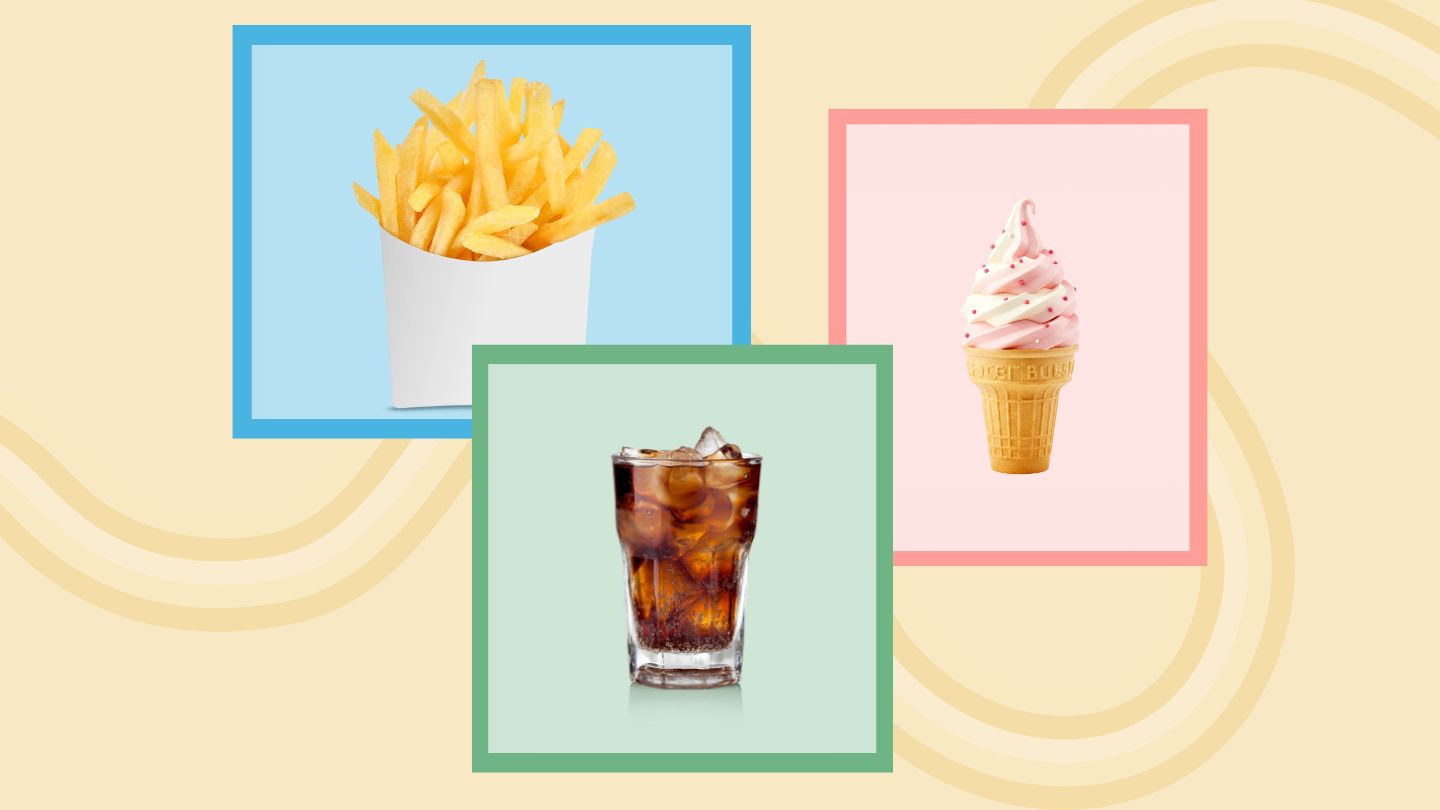
The food you eat can affect your health, your skin, and your biological age (the age of your cells).
“When we talk about aging from a nutritional perspective, we’re looking at how well the body can repair itself over time,” says Kat Benson, MD, a registered dietitian in El Paso, Texas. “We create some stress in our bodies every day just by being alive, and our diet affects how well we recover.”
That doesn’t mean you need to completely cut out foods that accelerate aging. Eating dessert or fried food from time to time won’t have a big impact. “The concern is that these foods are popping up every day, crowding out more nutritious options,” Benson said.
To maintain an age-friendly diet, limit (or avoid) these seven foods.
1. Ultra-processed foods
Ultra-processed foods such as hot dogs, frozen pizza, and instant soups are made using industrial processes, contain little or no whole foods, and tend to have lower nutritional value than less processed foods. Additionally, they often have added sugar, salt, saturated fat, and artificial ingredients.
Research suggests that ultra-processed foods, which contain high amounts of these unhealthy ingredients and low levels of fiber and micronutrients, can trigger inflammatory responses, accelerate aging, and lead to chronic disease. “When inflammation is always on, our systems start to break down at an accelerated rate,” says Doug Lucas, vice president of women’s health, hormones, and lifestyle optimization at LifeMD, a telemedicine company in Asheville, North Carolina.
A study of more than 16,000 people between the ages of 20 and 79 found that the more ultra-processed foods you ate, the faster your body ages. Those who ate 68 to 100 percent of their calories from ultra-processed foods were nearly a year biologically older than those who ate the least.
2. Processed meat
Processed meats such as sausages, hot dogs, deli meats, and canned meats are thought to be linked to shortening of telomeres, the protective caps at the ends of chromosomes that protect them from damage. “Telomere shortening is considered a marker of biological aging and is associated with an increased risk of age-related diseases,” Lucas says. These diseases include heart disease and type 2 diabetes.
Processed meat is also high in nitrates (chemicals that extend shelf life), salt, and saturated fat, which can cause weight gain and even increase your risk of cancer.
3. Sodas and other sweets that are high in sugar
Added sugars are sugars that are introduced during food processing, such as sweeteners and sugars from syrups, honey, and concentrated fruit and vegetable juices. Natural sugars, on the other hand, are sugars that occur naturally in foods such as milk, fruits, and vegetables.
Eating foods high in sugar (e.g., carbonated drinks, desserts, sugary snacks) can lead to poor metabolic health and early onset of related diseases (e.g., obesity, diabetes, heart disease). One study found that the more sugar middle-aged women ate, the faster their cells aged. This is likely because added sugar promotes inflammation and oxidative stress (an imbalance between antioxidants and free radicals, unstable molecules that can cause cell damage), both of which are thought to be associated with cardiometabolic diseases and cancer.
Added sugars can also shorten telomeres. An older study of more than 5,000 healthy adults found that drinking sugary soda shortened your telomeres, while drinking 100 percent juice lengthened your telomeres.
4. Fried foods and high-temperature cooked foods
Cooking methods can influence the health effects of certain foods. According to one review, cooking at high temperatures for long periods of time (such as deep frying) accelerates a chemical reaction known as the Maillard reaction. This reaction causes the browning often seen when frying foods and contributes to the formation of advanced glycation end products (AGEs).
AGEs are compounds produced when proteins and fats combine with sugars. When AGEs accumulate in the body, they can harden structural proteins such as collagen, leading to hardening of blood vessels and other complications.
Fried foods also cause oxidative stress, releasing free radicals that can damage cells and the immune system and increase the risk of heart disease and cancer. “Oxidative stress promotes chronic inflammation, which may contribute to age-related functional decline,” Lucas says.
Instead of frying, choose low-temperature cooking methods such as baking, steaming, or air-frying with a little olive or avocado oil, suggests Lena Bakovic, a registered dietitian and nutritionist based in Palm Beach Gardens, Florida.
5. White bread, pasta, rice
Refined carbohydrates such as white bread and pasta cause blood sugar levels to rise rapidly. Repeated spikes in blood sugar levels cause glycation (a process that produces AGEs), which can affect skin aging.
One study that tracked dietary patterns over 20 years found that prioritizing high-quality carbohydrates, including fiber, such as whole grains, fruits, vegetables, nuts, and legumes, was associated with slower biological aging. On the other hand, diets high in low-quality carbohydrates such as white bread, pasta, and rice had the opposite effect. Another study of nearly 50,000 women found that eating refined carbohydrates was associated with a lower chance of healthy aging.
6. Alcohol
Alcohol damages telomere DNA, and studies have shown that drinking more than about six glasses of wine per week can shorten telomere length.
One study found that alcoholic beverages are about 2.5 times more effective at accelerating aging than beer. This is probably because sake has the highest alcohol content and the lowest amount of antioxidants called polyphenols.
Alcohol is also associated with premature skin aging. An older study of women between the ages of 18 and 75 found that those who drank eight or more drinks per week had more lines on the upper face, puffiness under the eyes, bags around the mouth, decreased volume in the midface, and more prominent blood vessels. This may be because alcohol weakens the skin’s antioxidant defense system (a network of beneficial molecules that neutralize harmful free radicals) and alters fat composition.
7. Fast foods, packaged snacks, and other high-sodium foods
Many of the most common foods in the American diet are high in sodium. That means they contain more than 20 percent of the recommended daily limit of 2,300 milligrams (mg). Bakovich said the most dangerous foods include canned soups, packaged snacks (like potato chips and pretzels), fast food and restaurant meals, frozen or pre-made dinners, pickles and salted foods, and instant noodles.
Eating too many of these foods causes inflammation in your blood cells, which is associated with age-related problems such as high blood pressure (hypertension) and cardiovascular events such as heart attacks and strokes.
Animal studies have shown that excessive sodium intake promotes oxidative stress, making the skin more prone to wrinkles.
A high-sodium diet is also associated with shortened telomeres. An older study of more than 750 teens found that those with the highest average sodium intake (about 4,400 mg per day) had significantly shorter telomeres than those consuming about 2,400 mg per day. This effect was especially pronounced in overweight and obese teens.
takeout
- The food you eat affects how quickly your body ages and how old your skin looks.
- Certain foods can accelerate aging by increasing inflammation, oxidative stress, and shortening telomeres.
- Foods associated with accelerated aging include ultra-processed foods, foods high in sugar and sodium, fried foods, alcohol, refined carbohydrates, and processed meats.