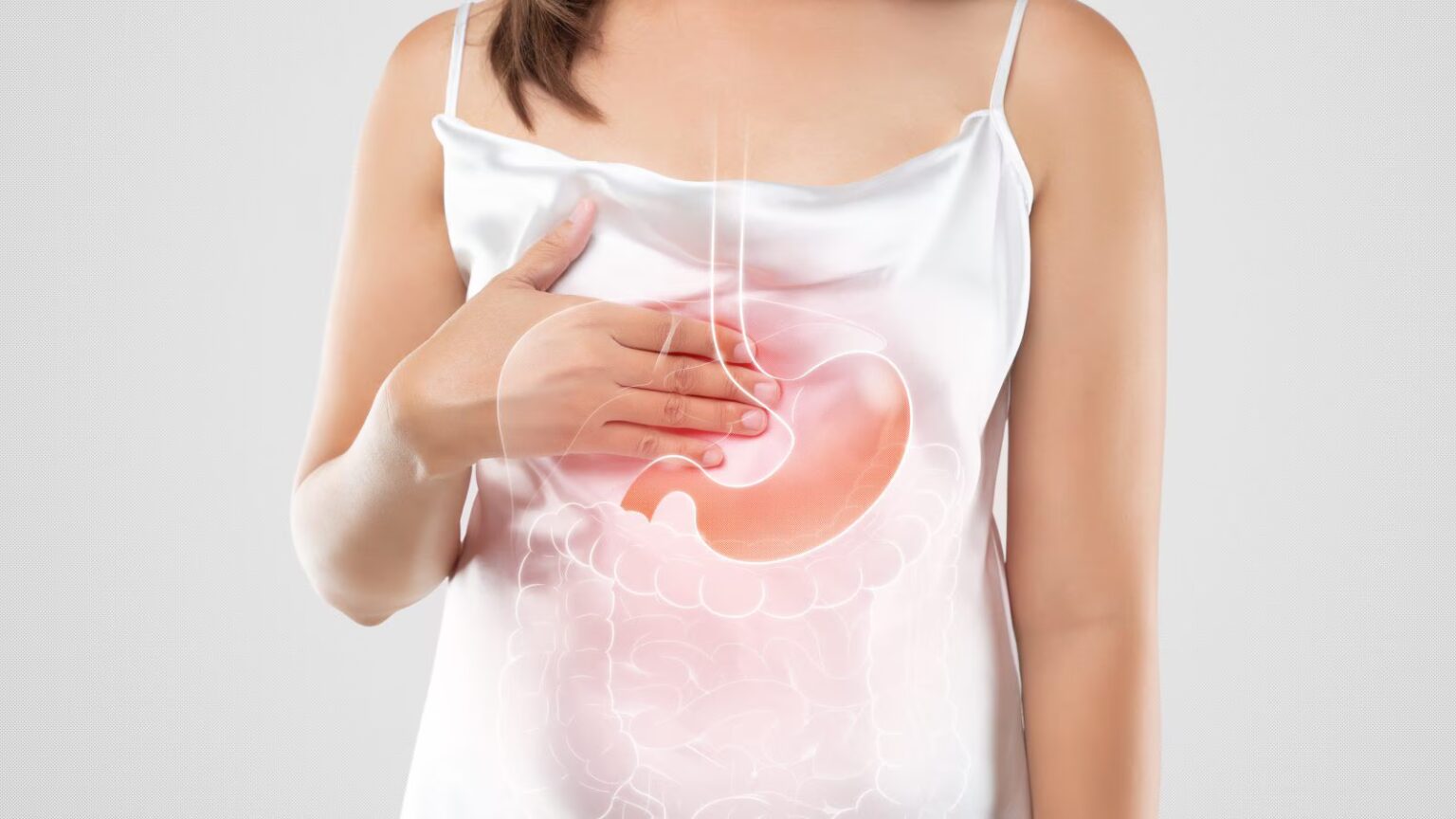
Acid reflux is not just a problem with spicy foods. It often has to do with when and how you eat. Try these home remedies to support smooth digestion.
Acid reflux is one of the most common digestive disorders today, often manifesting as a burning sensation in the chest, inflammation in the throat, or an unpleasant sour taste in the mouth. This occurs when stomach acid backs up into the esophagus, usually due to poor digestion, overeating, or certain lifestyle habits. It’s normal to have a sour stomach from time to time, but if it happens frequently it can affect your sleep, appetite, and overall comfort. Many people rely on antacids for immediate symptom relief, but long-term control often lies in daily habits and simple dietary choices.
According to gastroenterologist Dr. Pratik Tibdewal, understanding what and how you eat plays a key role in controlling acid reflux. With the right home remedies and mindful habits, you can improve your digestion naturally without relying too heavily on medications.
Why can eating mindfully help reduce acid reflux?
Eating too quickly or overeating puts pressure on your stomach, making it easier for stomach acid to move upwards. Chewing your food thoroughly (ideally 25 to 30 times) helps break down the food and promotes smooth digestion. Dr. Tibudewal explains that eating mindfully can prevent stomach overload, which is one of the main causes of reflux and heartburn.
How does ginger naturally relieve acid reflux?
Ginger is well known for its anti-inflammatory and digestive properties. A study published in the journal Nutrients suggests that ginger may help reduce stomach acid and soothe stomach inflammation. Drinking warm ginger tea or adding fresh ginger to your meals can help relieve bloating, gas, and mild reflux symptoms.
Can aloe vera juice relieve heartburn?
Aloe vera has cooling and soothing effects that help reduce inflammation in the gastrointestinal tract. A study published in the Journal of Neurogastroenterology and Motility found that aloe vera syrup was effective in reducing symptoms of gastroesophageal reflux disease (GERD). Taking a small amount before a meal can help reduce acidity.
Why should you choose fruits other than citrus?
Fruits such as bananas, apples, pears, and melons are low in acidity and easy on the stomach. Unlike citrus fruits, which can make heartburn worse, they coat the lining of your stomach and help reduce irritation. Incorporating these fruits supports digestion while preventing reflux.

How does oatmeal promote digestion?
Oatmeal is rich in dietary fiber, which helps absorb excess stomach acid. A study published in Nutrients highlights that a diet rich in fiber can reduce the symptoms of gastroesophageal reflux disease. A bowl of oatmeal will stabilize your digestion and make a filling, reflux-friendly breakfast.
Can probiotics help with acid reflux?
Probiotics support healthy gut bacteria and improve digestion. ISRN Nutrition research suggests that probiotics may help reduce acid reflux by improving intestinal balance. Yogurt, kefir, and fermented foods are easy to consume every day.
Why are posture and sleep timing important?
Lying down immediately after eating can cause acid reflux. Dr. Tibudewal advises remaining upright for at least two to three hours after eating. Elevating your head during sleep can also reduce nighttime reflux.
Is herbal tea really effective?
Chamomile and fennel teas relax the digestive tract and reduce bloating. These herbs have mild anti-inflammatory properties and may help relieve reflux symptoms when taken after meals.
With mindful eating, healthy foods, and simple lifestyle changes, heartburn can be managed naturally and effectively over time.