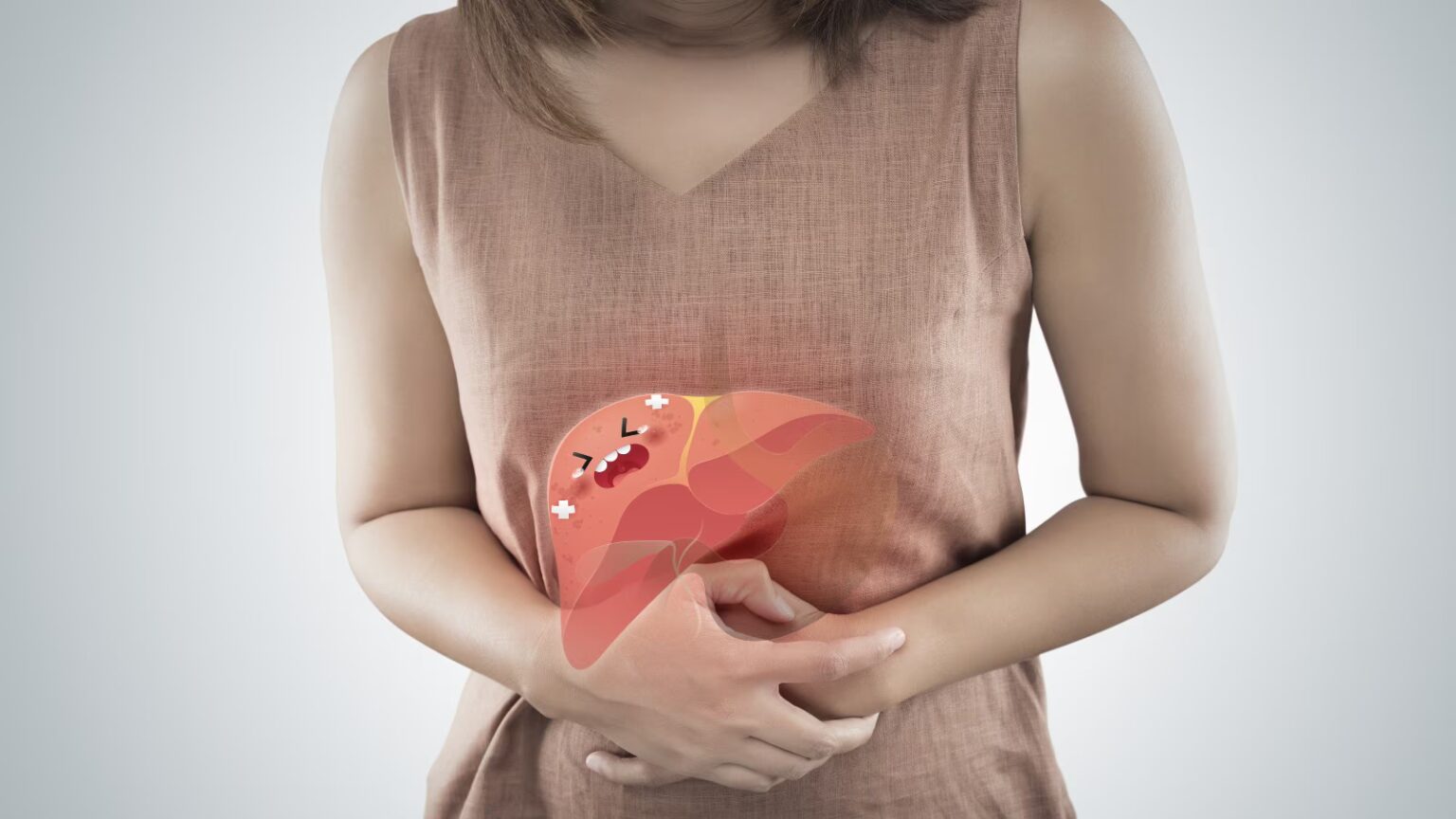
Fatty liver disease is becoming common among young people in India. Learn about its causes, risks, and ways to manage it to improve your liver health.
In India, liver health is moving from damage caused by viral hepatitis and alcohol to a silent threat. According to of Lancet Gastroenterology and Hepatology, Currently, approximately 27% of young adults in India suffer from MASLD (formerly NAFLD). This includes slim urban professionals in their 20s and 30s who are at metabolic risk. of The 2025 Journal of Clinical and Experimental Hepatology states: Approximately 26% of young people in India have transaminitis, which shows elevated liver enzymes, indicating inflammation of the liver.
Diagnosis is difficult because the liver is resilient and often does not cause pain until fairly advanced damage has occurred. “Due to this silent progression, young people can develop fibrosis and cirrhosis, and transplantation is often the only life-saving option. Unknowingly, they pass through the fibrosis stage and progress to cirrhosis, which is a permanent scarring condition, and transplantation is often the only viable life-saving option,” Dr. Akash Gandotra, Consultant Gastroenterology, Paras Health Panchkula, told Healthshots.
What causes fatty liver?

Do I need a liver transplant if I have fatty liver?
Progression from fatty liver to the stage where transplantation is required is not inevitable. However, early recognition and management of the condition influences outcomes. Screening also needs improvement as relying solely on BMI is not effective in India. Doctors are now focusing on non-invasive tests such as the FIB-4 score and FibroScan to detect liver damage before symptoms appear.
When the underlying stress is reduced, the liver effectively repairs itself. Lifestyle changes remain the most effective approach. harvard health The guide suggests that losing 7-10% of your body weight can reduce inflammation and reverse the initial damage. A balanced, fiber-rich diet, along with 150 to 300 minutes of exercise per week, can help prevent the disease from progressing.
Modern hepatology aims to prevent transplantation by treating fatty liver as a metabolic warning rather than just a lifestyle issue to improve liver outcomes in India. Regular screening is essential for people with a family history of diabetes or high cholesterol, especially for generations facing a metabolic crisis.
Disclaimer: At Health Shots, we are committed to providing accurate, trustworthy and authentic information to support your health and well-being. However, the content on this website is for informational purposes only and should not be considered a substitute for professional medical advice, diagnosis, or treatment. Always consult a qualified health care provider for personalized advice regarding your specific medical condition or concerns.