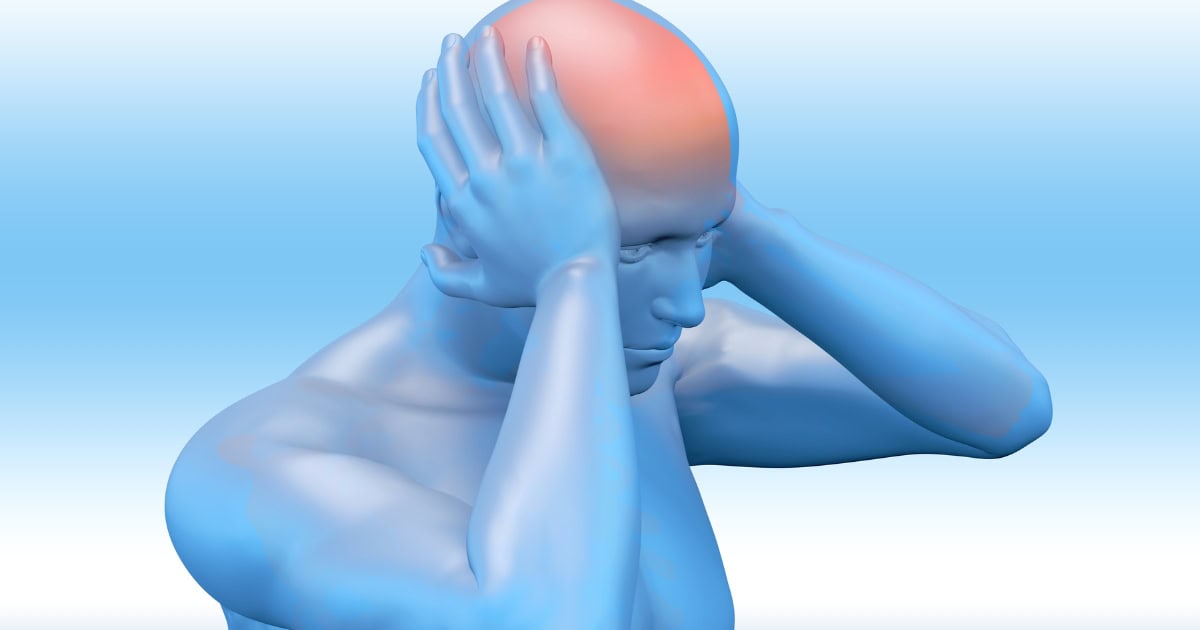
Occasional headaches are normal, but frequent headaches may be related to something more important, such as blood sugar (blood sugar) levels if you have type 1, type 2, or prediabetes.
Managing fluctuations in blood sugar levels may help reduce or prevent these headaches.
This article explores how diabetes causes headaches and provides tips for managing them effectively.
Can diabetes cause headaches?
Yes, diabetes can cause headaches due to fluctuations in blood sugar levels, dehydration, and high blood pressure. Diabetic headaches vary by location, but many people report feeling pain in their temples and across their forehead when blood sugar levels fluctuate.
How and why diabetes causes headaches
Diabetic headaches are not so mysterious, as fluctuations in blood sugar levels are a key trigger.
The brain requires a constant supply of glucose to function properly. When your blood sugar levels are outside of the ideal range, your brain and other parts of your body will notice.
Also, like diabetes, pre-diabetes can also cause headaches due to fluctuations in blood sugar levels.
Explain how fluctuations in blood sugar levels affect headaches.
If your blood sugar level is low…
Low blood sugar levels can cause severe “sugar headaches” that can cause your skull to crack.
The brain requires a continuous supply of glucose to function properly, but when that “fuel tank” is empty, symptoms such as confusion and lack of coordination indicate that the brain is suffering.
When symptoms of hypoglycemia occur, diabetic headaches can be felt in different areas of the head, but are often concentrated in the temples and forehead.
This headache is a way of signaling to your brain that you need fast-acting carbohydrates to recover.
See below for more information. What does hypoglycemia feel like?.
If your blood sugar level is high…
When blood sugar levels are high, the brain doesn’t get the fuel it needs because insulin is needed to help cells utilize glucose.
Although symptoms of high blood sugar may not feel as urgent as low blood sugar, the body is still under stress.
Without enough insulin, glucose floods your bloodstream, causing dangerous ketone formation and dehydration.
Dehydration is a well-known cause of “sugar headaches” and can worsen hyperglycemia by concentrating glucose in the blood. Staying hydrated is just as important as taking medication, but it’s often overlooked.
For more information, see: What does high blood sugar feel like?
If you have high blood pressure…
If left untreated, high blood pressure can cause serious damage to the heart, arteries, kidneys, and eyes, increasing the risk of stroke and blood clots.
It can also cause sleep disorders and sleep apnea, both of which can cause headaches.
See below for more information. Diabetes and high blood pressure: what is the relationship?
What if your headaches are unrelated to diabetes?
If your headaches persist or become unmanageable, you may be dealing with a migraine that is much more complex than a regular headache.
Many other health conditions not related to diabetes can also cause headaches. If your headache worsens or you suspect you have a migraine, don’t hesitate to contact your health care team.
How to treat headaches and reduce their frequency
There are many ways to manage headaches instead of relying on over-the-counter (OTC) painkillers.
Painkillers such as acetaminophen cannot solve headaches caused by persistent blood sugar or blood pressure problems. To permanently reduce symptoms, the underlying problem must be addressed.
lower high blood sugar levels
High blood sugar doesn’t just happen; it can be caused by diet, activity, medications, stress, and hormonal imbalances.
If you have type 1 diabetes and persistently high blood sugar levels, it’s time to adjust your insulin dosage and how you manage your dietary insulin.
Simply put, high blood sugar levels in type 1 diabetes mean you’re not getting enough insulin. Nutritional changes may be helpful, but ensuring adequate insulin dosage is a top priority.
Your insulin needs change throughout your life. Don’t hesitate to coordinate with your medical team.
For people with prediabetes or type 2 diabetes, starting medication can be daunting, but it’s important.
Diabetes is progressive, meaning the body’s ability to produce and use insulin decreases over time.
Starting diabetes treatment is essential not only to reduce headaches but also to protect your eyes, kidneys, and other organs. Don’t let fear or shame stop you from taking the necessary steps to lower your blood sugar levels.
Gradual changes to your diet can make a big difference. It doesn’t have to be perfect. It’s more sustainable to make small, consistent adjustments. Remember to leave room for snacks. Balance is the key.
Physical activity, even just a few minutes of walking after a meal, can help lower postprandial blood sugar levels and reduce insulin resistance. Over time, this will help you lose weight and further improve your blood sugar levels.
Hyperglycemia doesn’t happen suddenly, and there are many medications and lifestyle changes that can help lower blood sugar levels. Let your headache be the driving force behind your actions.
Reduce the frequency of hypoglycemia
Managing hypoglycemia will always be a part of your life if you take insulin or other drugs that lower blood sugar levels.
To effectively treat low blood sugar levels, use fast-acting carbohydrates that are low in fat and protein. These slow the absorption of glucose and keep blood sugar levels lower for longer.
If you are experiencing frequent low blood pressure, that is a clear sign that your medication may need adjustment.
For example, many patients with type 2 diabetes are prescribed a set dose of insulin without being taught to match insulin to carbohydrate intake, which can lead to frequent hypoglycemia.
Insulin requirements change throughout life. Losing weight or changing your diet may reduce your insulin needs, so your dosage should be adjusted accordingly.
Exercise is another factor that can make low blood pressure difficult to manage. However, low blood sugar (hypoglycemia), which frequently occurs during exercise, is not inevitable.
Knowing how different types of exercise affect your blood sugar levels can help you prevent them from dropping.
Finally, if you’re dealing with frequent low blood sugar levels or unpredictable blood sugar fluctuations, talk to your medical team or diabetes coach.
Fine-tuning your insulin dosage and strategy can make a big difference in preventing hypotension from recurring.
lower blood pressure
Lowering blood pressure not only reduces headaches, it may save your life.
Persistent high blood pressure increases the risk of serious complications, and in some cases, blood pressure can rise suddenly and pose an immediate threat.
Here are some recommendations from the American Diabetes Association (ADA) to help lower your blood pressure.
- Talk to your health care team about treatment options.
- Research drugs such as ACE inhibitors, ARBs, beta blockers, calcium channel blockers, and diuretics.
- Increase whole grains in your diet and reduce salt intake by using herbs, spices, and low-sodium alternatives.
- Avoid packaged foods containing more than 400 milligrams (mg) of sodium per serving.
- Focus on whole, unprocessed foods whenever possible.
- Set a weight loss goal and include daily walking and other physical activity.
- Limit alcohol and quit smoking if you haven’t already.
After all, to lower blood pressure you need to adopt a healthier lifestyle. It doesn’t have to be perfect. If 80% of your choices are healthy and active, you will see improvement over time.
Drink more water!
It may sound obvious, but staying hydrated can be harder than you think, especially if you have diabetes.
Dehydration can cause both headaches and high blood sugar levels. When you’re dehydrated, the glucose in your bloodstream becomes more concentrated, raising your blood sugar levels, which only makes dehydration-related headaches worse.
To stay hydrated, aim to drink about 2 liters (about 8 1/2 cups) of water per day. Here are some helpful tips.
- Use large reusable containers to track your intake. Calculate how many servings are in 2 liters and aim to reach that goal by the end of the day.
- Start your day with a glass of water before your coffee. A quick sip can help keep your day on track.
- Set a reminder on your phone every few hours or ask yourself in the morning, “Am I drinking enough water today?” After a few weeks, drinking water will become a habit.
- If your headache persists despite staying hydrated, see your health care team to rule out migraine or other unrelated symptoms.
Was this article helpful? Let us know by clicking Yes or No below.