Living with diabetes doesn’t mean you have to say goodbye to bread, pasta, and potatoes. But if you’ve ever been frustrated to see your blood sugar spike after eating your favorite carbs, you’re not alone.
The good news? With the right strategy, it’s absolutely possible to enjoy carbs without it Blood sugar levels spike.
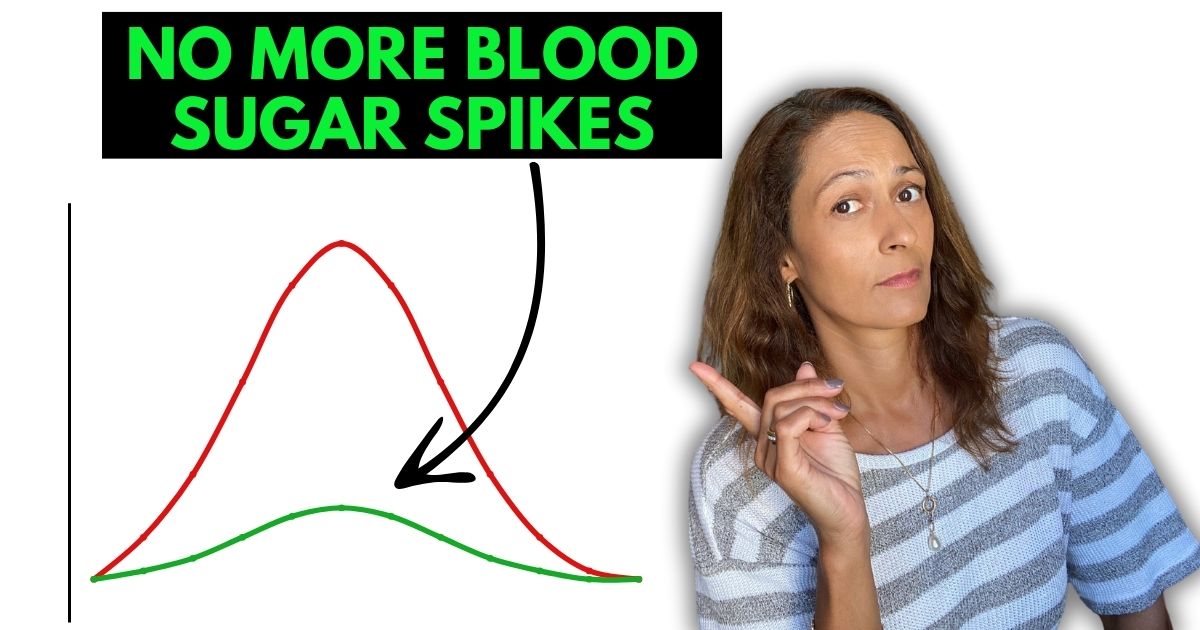
This article and video introduces eight proven methods (and two lesser-known strategies) you can use to reduce postprandial blood sugar spikes.
These tips are based on decades of personal experience living with type 1 diabetes, backed by research, and designed to be put into practice in real life.
Watch the video here and read the article below.
Reasons to minimize blood sugar spikes?
Keeping blood sugar levels more stable after meals can shorten your running time and reduce fatigue.
For many people, a spike means an increase in blood sugar levels by more than 180 mg/dL (10 mmol/L), but individual definitions may vary. That’s totally fine. The important thing is to find what works for you.
1. Be smart about portion size (focus on glycemic load)
not necessarily what you eat, but how much. If you follow the right amount for your body, you may be able to enjoy rice, pasta, and bread without significantly raising your blood sugar levels.
Two ways to find the sweet spot:
- trial and error: Track how your blood sugar responds to different amounts of your favorite carbohydrates and adjust the portion sizes that are right for you and your blood sugar levels.
- Glycemic load (GL): This is a more nuanced measure that helps corroborate the hard facts behind our choices. Glycemic load is a measure of how quickly and to what extent a food raises blood sugar levels.
Glycemic load is very simple.
- Low GL: Under 10 years old
- Medium GL: 11th to 19th
- High GL: Over 20 years old
example: A standard slice of white bread has a high GL (about 20), but sprouted grain breads like Ezekiel have a much lower GL (about 6).
No need to memorize numbers. Aim for low-glycemic foods and adjust amounts based on your blood sugar response.
2. Choose the right type of carbohydrates
Even within the same food category, different carbohydrates have different effects on blood sugar levels.
The glycemic index (GI) is a measure of how quickly a food raises blood sugar levels, so it’s a great way to assess the potential blood sugar impact of carbohydrates. For example, the glycemic index of potatoes varies widely.
- Russet: G.I.95
- Yukon Gold: G.I.58
- Sweet potato: G.I.94
Choosing a low GI option can help reduce the rise in blood sugar levels after a meal. GI will tell you how quickly Foods raise blood sugar levels, which can be helpful when planning your meals.
3. Add more fibers
Fiber helps slow digestion and slow the rise in blood sugar levels.
Therefore, a great way to enjoy carbohydrates without spiking blood sugar levels is to consume high-fiber foods.
Examples of high fiber, low GI carbohydrates:
- lentils
- chickpeas
- steel cut oats
- Quinoa
- Leafy and low-starchy vegetables
Interested in fiber supplements like psyllium husk? Some studies (particularly for people with type 2 diabetes) show that taking it before a meal can help lower postprandial blood sugar levels, but effects vary depending on dose, timing, and individual response.
4. Avoid “naked carbs” (add protein and fat)
“Naked carbohydrates” are carbohydrates that are consumed alone, without protein or fat. They tend to be digested quickly, which causes blood sugar levels to rise faster.
How to make my balanced meals:
- breakfast: Eggs + Ezekiel bread (low GI)
- Lunch/Dinner: Lean proteins (chicken, turkey, fish) + lean vegetables + healthy fats (like avocado and olive oil)
Combining carbohydrates with protein or fat slows down digestion, lengthens the action of insulin, and reduces the intensity of the spike.
5. Time your insulin (for insulin users)
When taking fast-acting insulin with meals, the timing of administration can have a significant effect on postprandial blood sugar levels.
Why timing is important:
Most fast-acting insulins (such as Humalog and Novolog) do not begin to take effect right away and tend to peak 60 to 90 minutes after injection.
Pre-balling 10 to 15 minutes before a meal allows you to better time your insulin peak with the time food reaches your bloodstream.
Note: Your timing needs may be different if you use a pump, closed-loop system, or a super-fast-acting insulin such as Fiasp. Always work with your care team to find what’s right for you.
6. Move your body after eating
Light physical activity after a meal can help lower blood sugar levels by encouraging your muscles to pull glucose out of your bloodstream.
Easy way to move:
- Let’s take a walk for about 10 to 20 minutes
- tidy up the house
- dance in your kitchen
Even 5-10 minutes can make a difference. Be careful if you have recently taken insulin, as the combination of insulin and activity can increase your risk of decline.
7. Chew carbohydrates, don’t drink them.
Liquid carbohydrates (such as juices and smoothies) tend to raise blood sugar levels faster than solid foods.
If you do Enjoy smoothies:
- Blend whole fruit with peel to add fiber
- Add fat (peanut butter, avocado) or protein (Greek yogurt, protein powder)
- Keep portions modest
I personally avoid consuming carbohydrates. Because carbohydrates are difficult to administer insulin to and tend to affect my system too quickly.
Here’s a list of low-carb smoothies with minimal impact on blood sugar levels.
8. Eat carbohydrates in the afternoon
Many people are more insulin resistant in the morning and more insulin sensitive in the afternoon.
Personally, I find that my body processes carbohydrates best between lunch and early dinner (around 6pm).
My approach:
- morning: low to medium carbs
- afternoon: Higher carbohydrate options
- evening: Snacks to avoid nighttime highs
You may need to experiment to find your own pattern. Track and adjust your results.
Bonus Strategy 1: Eat your carbohydrates cold.
It may sound strange, but chilling cooked carbohydrates such as rice or potatoes may increase their resistant starch content (a type of carbohydrate that is difficult to digest) and reduce their impact on blood sugar.
example: Cold potato salad can spike blood sugar levels few Better than a piping hot baked potato.
One study showed that cooling cooked potatoes can lower the glycemic index by about 25 to 28 percent, but the effect varies depending on the type of food, storage method, and individual response.
Bonus Strategy 2: Choose foods that are less ripe or less cooked.
Ripe fruits and carbohydrates that are cooked for a long time can be broken down more quickly in the digestive system, leading to a spike in blood sugar levels.
Ideas to try:
- Eat hard bananas instead of overripe ones
- Cook the pasta or rice al dente (not mushy).
- Avoid overcooking starchy vegetables
Avoid undercooking foods that require proper preparation (such as potatoes and rice), as this can cause digestive and food safety issues. This tip is great for things like fruit.