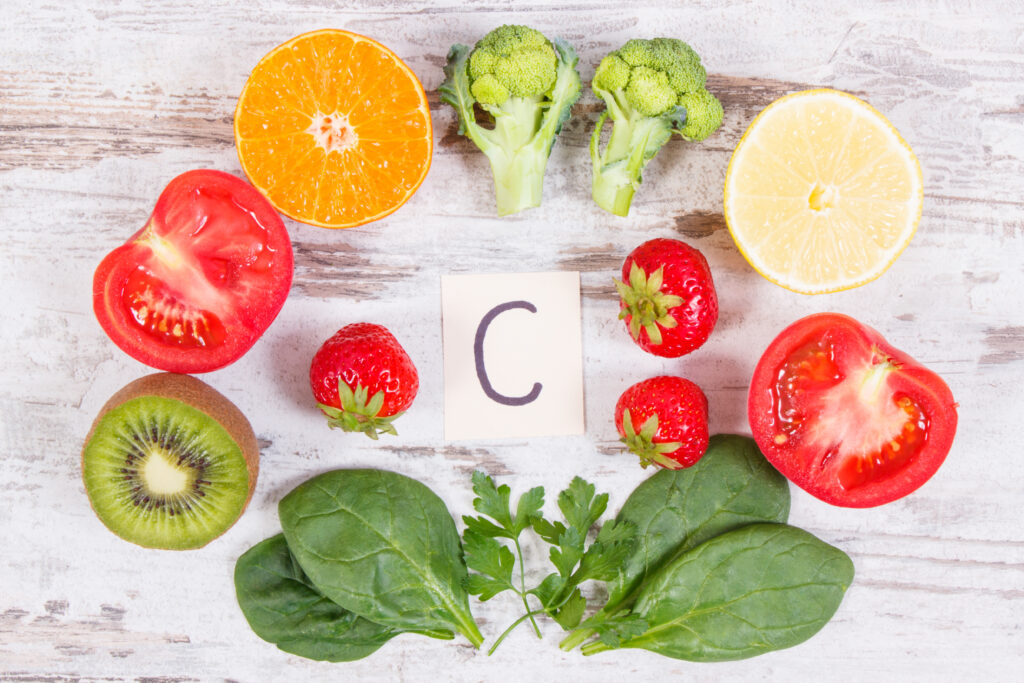
Vitamin C is often associated with oranges, so it’s easy to forget that many other foods bring even more vitamin C to your diet. Some fruits, some vegetables, some of which you may already have in your kitchen. This list includes foods that provide more vitamin C than oranges.
This post may contain affiliate links. This helps us keep this content free. Please read it See disclosure for details.
guava
Guava is one of those fruits that will surprise you when you look up its vitamin C content. It’s a lot packed into a little bit, and the flavor is somewhere between pear, strawberry, and a little tropical tartness. The pulp may be soft or slightly granular depending on the type, so it is more filling than other fruits. If you want something easy to slice and eat without much preparation, guavas are a great choice.
Some people eat the seeds raw, while others scoop out the insides and add them to smoothies or fruit bowls. If you want a simple yet fresh taste, it pairs well with lime, chili salt, or plain yogurt. They are small and easy to eat, making them perfect for breakfast or an afternoon snack. It’s a great fruit to have on hand when you need more variety than regular apples and bananas.
red pepper
Red peppers provide plenty of vitamin C without having to eat a lot. Because of its sweet and crunchy texture, it is easy to eat raw and is useful when you want to eat something immediately after taking it out of the refrigerator. Unlike hot chili peppers, it is mild and family-friendly, making it suitable for many people. Bright colors look more appealing on a plate, especially for a simple lunch.
It can be sliced into strips for dipping, chopped into salads, or cooked with onions for tacos or rice bowls. Roasting brings out the sweetness even more, and it has a soft texture that is easy to eat even for children who don’t like crunchy vegetables. You can also use it to cook pasta, omelets, sandwiches, sheet pans, and more without much planning. For food that feels normal at a store, it gives you a lot back.
yellow bell pepper
Yellow bell peppers have a softer sweetness than green bell peppers, and depending on the dish, they have a lighter flavor than red bell peppers. It’s rich in vitamin C, making it one of the easiest vegetables to add when you want more vitamin C. The bright and refreshing colors make it perfect for spring and summer meals. It’s mild and juicy, so it’s okay even for people who don’t like it.
It’s delicious eaten raw with hummus, but also works well in stir-fries, fajitas, and pasta salads. If you cut it into small cubes, it will blend into things like egg dishes and cereal bowls, and won’t interfere with the overall meal. Some people like to stuff it and bake it, while others keep it simple and slice it straight from the cutting board. Either way, it’s an ingredient that you can use frequently without getting tired of it.
kiwi
Kiwis may look small, but each compact fruit contains a large amount of vitamin C. The inside is bright, juicy, and slightly tart, making it feel more lively than sweet fruit. The balance of sweetness and acidity is part of what makes fruit salads stand out. I also find it a bit more interesting than the fruit people buy every week on autopilot.
You can cut it in half and scoop it with a spoon, making it one of the easiest fruits to eat without making a mess. Sliced kiwi goes well with yogurt, oatmeal, pancakes, or even a simple dessert dish. If you don’t like the fuzzy skin, it only takes a minute to peel it with a knife or peeler. Perfect when you want something refreshing while still retaining real nutritional value.
strawberry
Strawberries are one of the most well-known fruits on this list, but their vitamin C levels are even more impressive. It has a sweet and slightly sour taste and is very easy to eat, so you won’t find it difficult to eat. The soft texture and bright aroma also make it much more pleasurable than many other nutrient-dense foods. Since it’s already popular, it’s usually unconvincing to add it to your diet.
It’s easy to clean and can be eaten whole, sliced, or mashed into yogurt or oatmeal. You can use it in smoothies, layer it on toast with cream cheese, or eat it on its own. When it’s in season, it’s especially delicious when eaten without adding anything. Already a beloved fruit, this fruit quietly offers more than just sweetness.
papaya
Papaya has a very gentle taste with a mellow sweetness and soft texture. Rich in vitamin C, it is also suitable for those who prefer fruits with less acidity. When cut into pieces, the color is beautiful, and the flesh is a deep orange color, almost creamy. Its smooth texture makes it more satisfying to eat than lighter fruits.
A squeeze of lime awakens the flavors and keeps the taste from becoming too monotonous. Many people eat it on its own for breakfast, but it’s also great mixed into smoothies or cold fruit bowls. Black seeds can be scooped out quickly, so once you know how to cut them, preparation is easy. If you want a fruit that is soft, fresh, and not too sweet, try papaya.
pineapple
Pineapples are juicy, sharp, sweet, and naturally rich in vitamin C. It has a stronger flavor than other fruits, making it perfect as a snack or side dish in small quantities. The bright and tangy taste gives it a refreshing impression, especially when drunk chilled. It’s also one of the fruits that can wake up your entire meal without much effort.
Fresh pineapple works well on its own, but it’s also great in smoothies, salsas, and fruit salads. Some people grill it for its sweet, warm flavor, while others add it to bowls for contrast. Cutting a whole pineapple can be a little fiddly, but pre-cut options make it much easier to use frequently. Once it’s ready to eat, it’s rarely left out for long.
broccoli
Broccoli isn’t always something to get excited about, but it provides more vitamin C than many people expect. It has a clean, earthy flavor that can be either mild or strong depending on how you cook it. The florets mix well with sauces and seasonings and go well with all kinds of dishes. It can be eaten raw or cooked, so you can enjoy a variety of arrangements.
Steamed broccoli is simple, but roasting it usually gives it more flavor and a little crunch around the edges. If you want something more comforting, it also pairs well with stir-fries, pasta, soups, and casseroles with cheese. If you chop it into small pieces, you can mix it into fried rice or scrambled eggs without making it taste like a vegetable. For basic grocery store essentials, they do a lot of the heavy lifting.
Brussels sprouts
Brussels sprouts have a stronger flavor than broccoli, but it’s worth paying attention to if you need more vitamin C. When cooked well, it tastes nutty and slightly sweet, rather than bitter and sticky. It’s usually the difference between people avoiding them and coming back for more. Texture is very important here, and roasted bean sprouts are usually an instant crowd-pleaser.
Cut it in half and fry it with oil and salt to make it crispy on the outside and soft on the inside. If you prefer something more chewy, you can also shred it raw and make it into a salad. Bacon, lemon, parmesan, and honey mustard all work well without much effort. If you’re prepared the right way, you’ll feel much more approachable than your reputation suggests.
kale
Kale is known to be rich in nutrients, and vitamin C is one of the reasons it often appears on health food lists. The leaves are firmer and chewier than spinach, so it’s more satisfying to eat. Because it has a firm texture, it doesn’t wilt quickly, so it’s convenient when making salads ahead of time. Some people find it too flavorful, but proper preparation goes a long way.
Rub raw kale with a little oil or dressing to soften it and make it easier to eat. It can also be cooked into soups, pasta, bean dishes, or a simple sauté with garlic. Blending it into a smoothie balances the fruit and adds nutrition without sacrificing flavor. It may not be the first green everyone loves, but it gives you a lot in return.
acerola cherry
Acerola cherries are not commonly found in supermarkets, but they are famous for being rich in vitamin C. The fruits are small and brightly colored, with a more sour taste than typical sweet cherries. Due to its delicate nature, many people are more familiar with powdered, juiced, or frozen products than fresh fruit. Still, it easily ranks on this kind of list.
If you find acerola in a juice or smoothie blend, it’s an easy way to try it without having to hunt around for fresh fruit. The taste is sharp, so it is best mixed with sweet fruits such as mango or banana. It is a powdered supplement that is often mixed into drinks or yogurt. This isn’t the most everyday option, but it’s one of the standout sauces.
Lychee
Lychees are small, juicy, and have a light, floral aroma, giving them a completely different feel than your average fruit. The flesh beneath the rough shell is smooth, pale, slightly sour and sweet. It also contains more vitamin C than many would expect from something this delicately flavored. Once you cool it down and try it, you’ll understand why you love it so much.
Peeling a lychee takes a little effort, but the fruit inside has a special taste and is well worth it. They are delicious in fruit bowls, cold drinks, or eaten individually as a snack. Canned lychees are easier to find than fresh in some places, but the syrup makes them sweet and heavy. Whether fresh or canned, it’s a fun way to break out of your usual fruit routine.
Cassis
Blackcurrants are small fruits with a deep color and a strong, tangy flavor. It has a particularly high content of vitamin C, which is one of the reasons why it appears so often in nutritional lists. The flavor is much bolder than blueberry or grape, so it doesn’t fade into the background. If you like fruit with a little edge, the intensity might be great.
It’s not always easy to find fresh blackcurrants, but juices, jams, and frozen versions are more common. It’s great in smoothies, spooned onto yogurt, or cooked into sauces for desserts. It has a rich flavor, so even a small amount leaves a lasting impression. Berries may not be the first berries that people think of, but they bring a lot to the table.
mustard greens
Mustard greens have a peppery kick that sets them apart from milder leafy vegetables. It is a powerful source of vitamin C and provides a lot of character at the same time. The leaves have a sharp taste when raw, which some people enjoy, while others take some time to get used to. Cooking softens the flavor and makes it easier to handle.
It is often stir-fried with garlic, onions, and soup to create a natural flavor balance. Mix it into soups, beans, and rice dishes to add depth without requiring too many extra ingredients. A small pile boils down quickly, so it’s easier to use up than it looks. If you find spinach too mild or kale too firm, mustard greens are a good middle ground.
cauliflower
Cauliflower is one of the most flexible vegetables on the market, and it’s also a good source of vitamin C. Because the taste is mild, it is easy to pair with strong seasonings, sauces, and spices. It can be made crunchy, soft, creamy, or even mash, making it suitable for a variety of cooking styles. This range is a big reason why it remains popular.
Roasted cauliflower is one of the best ways to eat it, as it browns the edges and adds flavor. It also works perfectly in soups, curries, pasta bakes, and grain bowls. Some people use it in place of rice or mash, but there’s no need to pretend it’s something else. Simple, reliable and much more interesting than before.
This article was first published lawyer.