This post may contain affiliate links. This helps us keep this content free. Please read it See disclosure for details.
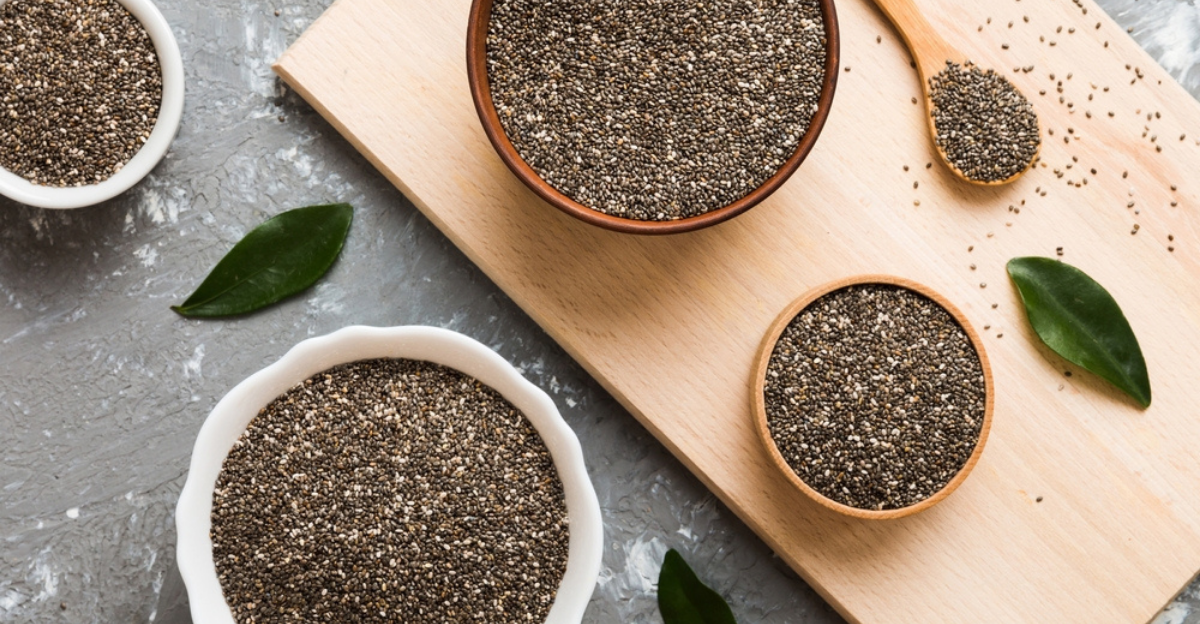
chia seeds
Chia seeds may look small, but they contain far more food value than most people expect. It’s high in fiber, which helps you feel fuller longer and aids digestion. These tiny seeds also contain plant-based omega-3 fats, which are linked to heart and brain health. In addition to that, you can also get minerals such as calcium, magnesium, and phosphorus.
When soaked in water or milk, it forms a gel-like texture that goes well with puddings, smoothies, and overnight oats. You can also mix it into yogurt or sprinkle it on cereal without changing the flavor too much. Because it absorbs a lot of water, it’s a super easy way to add richness to recipes. Although it is such a small seed, chia does a lot of work in our daily diet.
linseed
Flaxseeds are often overlooked, despite being rich in fiber, healthy fats, and plant compounds. It is also well known for its high content of omega-3, making it a good option for people who don’t eat much fish. Flaxseed also contains lignans, plant compounds that have received attention for their role in overall health.
It is usually easier for the body to use ground flax than whole ground flax, so it is best to buy ground flax or grind it at home. It has a mild, nutty flavor that goes well with oatmeal, baked goods, and smoothies. Some people mix it into pancake batter or even yogurt for a little food upgrade. It also contains added fiber to support stable digestion. Flaxseeds may seem basic, but they bring more to the table than people realize.
pumpkin seeds
Pumpkin seeds, also known as pepitas, are one of the most filling and convenient seeds to have on hand. It’s rich in protein, healthy fats, and magnesium, which is involved in muscle and nerve function. These seeds also contain iron and zinc, making them a good option for those looking to add minerals to their diet. Its crunchy texture makes it easy to eat as is, especially if it is lightly roasted.
You can also use it as a topping on salads, mix it into trail mix, or sprinkle it on soups for added texture. Pumpkin seeds have a pleasant flavor and are suitable for both sweet and salty dishes. Contains fat, protein, and fiber, making your snack more satisfying. Although it looks simple, it is one of the most surprisingly nutritious foods.
Sesame
Although sesame seeds are small, their edible value is much greater than their size suggests. They contain healthy fats, protein, and high amounts of calcium, especially if you eat the seeds whole. Sesame seeds also contain copper, magnesium, and iron, which contribute to a balanced diet. Its nutty flavor goes well with breads, rice bowls, stir-fries, and roasted vegetables.
Tahini, made from ground sesame seeds, is another easy way to reap its benefits. Can be used in creamy dressings, dips, and sauces without dairy. Sesame seeds also contain plant compounds that increase their value beyond basic nutrients. It’s one of the easiest ways to add even more deliciousness to your plate since it’s easy to sprinkle on your meals.
sunflower seeds
Sunflower seeds are a snack food that are often treated like a little extra, even though they bring so much to the table. It is an excellent source of vitamin E, which helps protect cells from damage. These seeds also provide healthy fats, protein, selenium, and magnesium. It has a mild, slightly nutty flavor and is an easy addition to both sweet and savory foods.
You can eat it as is, sprinkle it on salads, or mix it into oatmeal or granola. Sunflower seed butter is also a good option for those who want a different spread than peanut butter. It’s filling and easy to carry, making it perfect for busy days or a quick snack. Sunflower seeds may seem ordinary, but they are much more useful than people think.
hemp seeds
Hemp seeds have received more attention in recent years, and for good reason. It’s a powerful source of plant-based protein, making it popular with people looking for more non-meat options. Hemp seeds also contain minerals like magnesium, iron, and zinc, as well as healthy fats like omega-3 and omega-6. One of its distinctive features is its softness. Therefore, it does not need to be crushed like other seeds.
Its mild taste makes it easy to mix into smoothies, yogurt, oatmeal, and salads. Even if you mix it with rice or pasta, you can enjoy it without changing the taste. It provides both protein and fat, making your meal feel more complete. Hemp seeds are quiet little foods that are worth much more than their humble appearance.
watermelon seeds
Watermelon seeds are usually thrown away without much thought, which is a shame because they are extremely nutritious. When dried or roasted, it becomes a crunchy snack packed with protein, healthy fats, and minerals like magnesium, iron, and zinc. It’s much more convenient than people say, especially if you like small snacks. Roasted watermelon seeds can be eaten as is or lightly seasoned for added flavor.
You can also mix it into trail mixes or add it to topping blends for salads and grain bowls. It contains both fat and protein, making the snack more satisfying than eating just chips or crackers. Since it has a mild taste, it is easy to pair with other foods. Watermelon seeds remind us that food value can be hidden in places that people usually ignore.
poppy seeds
Poppy seeds often look like tiny specks on bread or muffins, but there’s more to them than meets the eye. It contains dietary fiber, healthy fats, and minerals such as calcium and manganese. Although they are usually eaten in small quantities, they can add something useful to meals and baked goods.
It has a slightly nutty flavor and goes well with breads, cakes, dressings, noodle dishes, etc. In some dishes, poppy seeds are ground into a paste or stuffing to add flavor and richness to recipes. It also has a pleasant crunch and can make simple foods more interesting. Since it is often used as a topping, you may not think of it as a highly nutritious food. Still, poppy seeds have more benefits than their small size suggests.