Many common foods contain more iron than they appear. Sometimes the best sauce is what’s currently in your fridge, pantry, or lunch plate. That’s why it’s a great opportunity to see familiar foods from a new perspective. Keep going and you might just come up with some delicious ideas for your next meal.
This post may contain affiliate links. This helps us keep this content free. Please read it See disclosure for details.
lentils
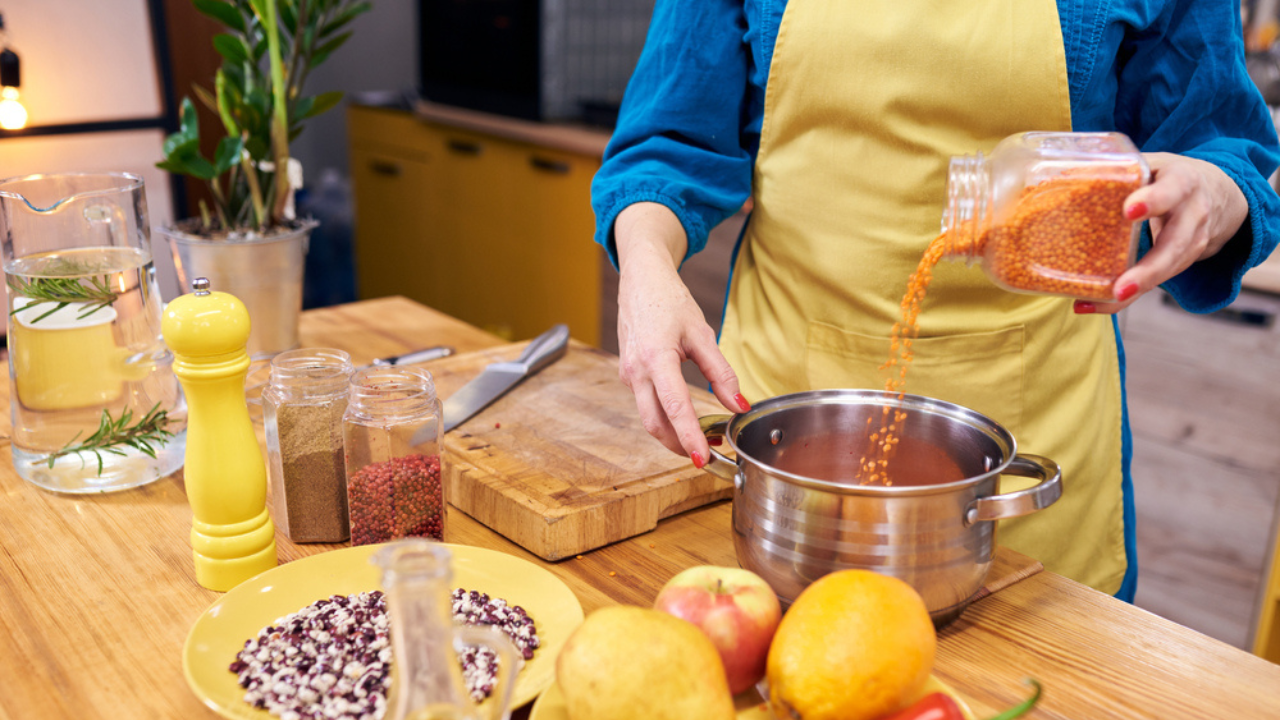
One cup of cooked lentils contains about 6.5 milligrams of iron, which is a lot for such a simple food staple. It also provides protein, fiber, folate, potassium, and manganese, so it’s more than just supplementing your diet. Warm lentil and tomato stew is one delicious way to use lentils in your daily dinner. Tomatoes and lemons are rich in vitamin C, so combining them with lentils may help your body get more iron.
For a simple lentil and tomato stew, simmer 1 cup of dried brown lentils in 3 cups of water until tender, then 1 chopped onion and 2 minced garlic cloves in 1 tablespoon of olive oil until tender. Stir in 1 can of diced tomatoes, 1 teaspoon cumin, 1 teaspoon paprika, half a teaspoon salt, and cooked lentils, whisking gently for about 15 minutes. Fold in 2 cups spinach near the end and cook until wilted. Finish with 1 tablespoon of lemon juice and serve the stew warm with rice or bread.
spinach
Many people don’t know that 1 cup of cooked spinach contains about 6.4 milligrams of iron. This leafy vegetable also contains vitamin K, vitamin A, folate, magnesium, and vitamin C when eaten fresh. Garlic spinach and chickpeas in a skillet are easy to make and are perfect for lunch or as a side dish. Since spinach cooks well, it’s easier to eat large quantities than you might think.
To make spinach and chickpeas with garlic, heat 1 tablespoon of olive oil in a skillet and sauté 3 sliced garlic cloves for about 30 seconds. Add 4 cups fresh spinach, 1 cup drained chickpeas, 1/4 teaspoon salt, and a pinch of black pepper and stir until spinach is wilted and chickpeas are hot. Add 1 tablespoon of lemon juice and mix well. Spoon on toast or serve alongside grilled chicken or fish.
chickpeas
One cup of cooked chickpeas contains about 4.7 milligrams of iron, giving this everyday bean more value than many people expect. In addition to iron, chickpeas contain protein, fiber, folate, phosphorus, and copper. Chickpea and cucumber salad with tomatoes and parsley is a fresh way to incorporate tomatoes and parsley into your meals. It has a mild taste, so it is easy to use in a variety of dishes without overpowering the flavor.
In a large bowl, combine 1.5 cups drained chickpeas, 1 chopped cucumber, 1 cup chopped tomatoes, 2 tablespoons chopped parsley, and 2 tablespoons chopped red onion. Add 1 tablespoon of olive oil and 1 tablespoon of lemon juice to everything, along with a quarter teaspoon of salt and a pinch of black pepper. Mix well and let the salad rest for 10 minutes to allow the flavors to settle. Serve chilled as is or spoon into pita bread.
Tofu
Depending on the brand, half a cup of firm tofu provides about 3 to 6 milligrams of iron. It also provides protein, many fortified versions of calcium, magnesium, and healthy fats. Stir-fried tofu, broccoli, and green peppers is an easy sample dish that’s not heavy but leaves you feeling full. Tofu blends well with the flavors of sauces and seasonings, making it a great addition to a simple dinner.
First, press and dice 14 ounces of firm tofu and fry in a frying pan with 1 tablespoon of oil until lightly golden on some sides. Add 2 cups broccoli florets, 1 red pepper slice, 2 teaspoons soy sauce, 1 teaspoon grated ginger, and 1 minced garlic clove and stir for about 5 minutes. Pour in 1 teaspoon cornstarch and 2 tablespoons water and simmer until the sauce thickens slightly. Serve the stir-fry over 2 cups of rice.
pumpkin seeds
Just 1 ounce of pumpkin seeds contains about 2.5 milligrams of iron, which is impressive for a handful of pumpkin seeds. It also provides magnesium, zinc, protein, healthy fats, and a small amount of fiber. Pumpkin Seed Yogurt Bowl with Berries and Oats is a simple dish that’s perfect for breakfast or snacking. Its crunchy texture makes it easy to sprinkle on soups, salads, and grain bowls.
Place 1 cup of plain Greek yogurt in a bowl and top with 1/4 cup of rolled oats, 2 tablespoons of pumpkin seeds, and 1/2 cup of mixed berries. If you want a little more sweetness, add 1 teaspoon of honey. Let the bowl stand for 5 minutes so the oats soften slightly. You can eat it right away for breakfast or save it for a filling afternoon snack.
oats
Although few people think of oatmeal as an iron-rich food, one cup of cooked iron typically contains about 2 milligrams, and fortified types may contain even more. Oats also contain fiber, manganese, magnesium, and stable carbohydrates, which help keep you full. Apple Cinnamon Oatmeal with Raisins is a comforting dish made with common kitchen ingredients. Oats are easy to keep on hand, making it easy to incorporate iron into your regular morning meal.
Bring 2 cups of water or milk to a gentle boil, then stir in 1 cup of rolled oats, 1 chopped apple, 2 tablespoons of raisins, half a teaspoon of cinnamon, and a pinch of salt. Cook, stirring occasionally, until oats are soft and creamy, about 5 minutes. Spoon oatmeal into bowls and top each serving with 1 tablespoon chopped walnuts. It can also be served hot for breakfast or a light dinner.
egg
One large egg contains about 0.9 milligrams of iron, and because eggs are included in so many meals, iron levels can increase over time. In addition to iron, eggs also provide protein, choline, vitamin B12, selenium, and vitamin D. Spinach and Egg Breakfast Scramble is a practical dish that combines eggs with another useful source of iron. The cooking time is short, so you can easily choose it even on busy mornings.
In a bowl, mix 3 large eggs, 1 tablespoon milk, and a pinch of salt until smooth. Heat 1 teaspoon of butter or oil in a frying pan, cook 1 cup of fresh spinach until wilted, then pour in the eggs and stir gently until set. Add 2 tablespoons of shredded cheese, if desired, and cook for another minute. Serve the scramble with toast and sliced tomatoes.
sardine
One small can of sardines contains about 2.5 milligrams of iron, giving this pantry fish more value than many shoppers realize. Sardines also contain protein, calcium if you eat the bones, vitamin D, omega-3 fats, and vitamin B12. Sardine toast with lemon and herbs is an easy sample dish that takes very little time. Canned sardines are especially good for a quick lunch because they’re already cooked.
Mash 1 can of drained sardines in a bowl with 1 teaspoon of lemon juice, 1 tablespoon of chopped parsley, and 1 teaspoon of olive oil. Toast two slices of whole wheat bread and spread the sardine mixture on top. Add thinly sliced tomatoes and a little black pepper if you like. Serve on toast with cucumber slices or a green salad.
Ground beef
Three ounces of cooked ground meat contains about 2.1 milligrams of iron, and your body normally gets enough of this heme iron. You’ll also get protein, zinc, vitamin B12, niacin, and selenium. Beef and Bean Skillet with Tomatoes is a good dish to add extra iron to your dinner. Mixing beef with beans will make your meal more filling and also add another useful source of iron.
Fry 8 ounces of lean ground beef in a skillet with half the chopped onion until the meat is cooked through and the onion is soft. Stir in 1 cup cooked kidney beans, 1 cup diced tomatoes, 1/2 teaspoon chili powder, 1/4 teaspoon salt, and 1 minced garlic clove and simmer for 10 minutes. Spoon this mixture over 2 cups of rice or between warm tortillas. Add some chopped coriander or a squeeze of lime for a refreshing finish.
Quinoa
Quinoa stands out in the grain department, with about 2.8 milligrams of iron in one cooked cup. It also provides protein, fiber, magnesium, phosphorus, and manganese. Quinoa vegetable pilaf with peas and carrots is a light but satisfying dish. Quinoa cooks faster than many other grains, making it a great weeknight meal.
Wash 1 cup of quinoa and boil in 2 cups of water until soft. It usually takes about 15 minutes. Heat 1 tablespoon of olive oil in a skillet and sauté 1/4 cup of chopped onion, 1/2 cup of diced carrots, and 1/2 cup of peas for about 5 minutes. Stir in the cooked quinoa, 1/4 teaspoon salt, and 1 tablespoon chopped parsley, and cook for another 2 minutes. Serve warm pilaf as a side or top with a fried egg.
dark chocolate
Surprisingly, one ounce of dark chocolate can contain about 3 milligrams of iron, especially if it has a high cocoa content. It also contains magnesium, copper, manganese, and plant compounds, making it more than just a sweet snack. Dark Chocolate Banana Oat Bites are a perfect sample dish for a snack or light dessert. It’s best enjoyed in moderation, but you can add a little ironing effect in a pleasing way.
Mash 2 ripe bananas in a bowl, add 1.5 cups rolled oats, 2 tablespoons cocoa powder, and 1/4 cup chopped dark chocolate. Scoop out small mounds, place on a lined baking sheet and bake at 350 degrees F for about 12-15 minutes. Let cool for a few minutes before eating. Store leftovers in a container with a lid so you can easily snack on them later.
potato with skin
A medium-sized baked potato with skin contains about 1.9 milligrams of iron, which is more than many people realize. It also provides potassium, vitamin C, vitamin B6, and filling carbohydrates. Baked potato topped with black beans and salsa is an easy sample dish that’s perfect for lunch or dinner. Leaving the skin on gives the potatoes more texture and more flavor.
Bake 2 medium potatoes at 400 degrees Fahrenheit until tender when pierced, about 45 to 60 minutes. Warm 1 cup of black beans in a small saucepan with 1/4 teaspoon of cumin and a pinch of salt. Crack open a potato and stuff it with green beans, half a cup of salsa, and 2 tablespoons of plain yogurt or sour cream. Add chopped green onions on top and serve hot.
black beans
Black beans are one of the most commonly used beans, as they contain about 3.6 milligrams of iron per cooked cup. It also provides fiber, protein, folate, potassium, and magnesium. Black bean bowl with corn and avocado is an easy and filling dish. Its mild taste makes it easy to pair with vegetables and grains.
Divide 2 cups of cooked rice between bowls and top with 1 1/2 cups of warm black beans. Add half a cup of corn, one diced avocado, half a cup of chopped tomatoes, and two tablespoons of chopped cilantro. Add 1 tablespoon lime juice and season with a pinch of salt. Serve as is or top with a fried egg.
raisins
Although raisins are small, a 1.5-ounce box provides about 0.8 to 1 milligram of iron. It also provides natural sugars, fiber, potassium, and a small amount of copper for quick energy. Cinnamon Raisin Couscous with Almonds is a sample dish that shows how easily raisins integrate into flavorful meals. It can be stored in the pantry, making it a convenient place to store snacks and recipes.
Bring 1 cup of water to a boil and stir in 1 cup of couscous, 1/4 cup of raisins, 1/4 teaspoon of cinnamon, and a pinch of salt. Cover the pot, remove from the heat, and let stand for 5 minutes. Fluff the couscous with a fork, then stir in 2 tablespoons of chopped almonds and 1 teaspoon of olive oil or butter. Serve warm as a side dish or light lunch.
shrimp
Shrimp also contains iron, with a 3-ounce cooked serving providing about 1.8 milligrams of iron. It also provides protein, selenium, vitamin B12, iodine, and small amounts of omega-3 fats. Garlic Shrimp with Rice and Broccoli is a sample dish that makes for a quick yet satisfying meal. Shrimp cooks easily, so you can easily make it at night when you don’t have time.
Heat 1 tablespoon of olive oil in a skillet and fry 12 ounces of peeled shrimp and 3 minced garlic cloves for 2 to 3 minutes on each side. Add 2 cups of broccoli florets and 2 tablespoons of water, cover the skillet, and cook for 2 minutes to allow the broccoli to soften slightly. Season with 1/4 teaspoon salt and 1 tablespoon lemon juice. Serve the shrimp and broccoli over 2 cups of rice.
fortified breakfast cereal
Some fortified breakfast cereals contain 8 to 18 milligrams of iron per serving, which is much more than most people would expect in a breakfast bowl. Depending on the brand, it may also provide folic acid, B vitamins, fiber, and sometimes calcium. A bowl of cereal topped with strawberries and milk is an easy sample dish that requires little effort. The amount of iron can vary widely between cereals, so reading the nutrition panel can be helpful.
Pour one serving of fortified cereal into a bowl and add one cup of milk or fortified plant drink. Top with 1/2 cup sliced strawberries and 1 tablespoon chopped walnuts for extra texture and flavor. Let the cereal stand for 1 minute until slightly softened, then eat immediately. When combined with fruits containing vitamin C, it helps the body get more iron.
This article was first published lawyer.