The surprising science behind the ‘microdosing workout’ – and why short is the new long.
Health and Wellness · March 2026
You’ve probably heard the old advice that you need at least 30 minutes of exercise to get real health benefits. But what if that was wrong, or at least the whole picture was wrong?
According to a growing wave of research, 10 minutes of exercise a day Or even just a few short bursts a day can make a big difference in your heart, brain, weight, and longevity. Scientists call this approach “Micro-intake fitness” or “Snack and exercise.” And the results are attracting the attention of the medical community.
What is a “microdosing workout”?
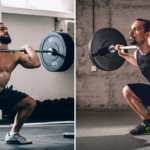
Think of it this way. Instead of eating a big meal at the gym, eat small snacks as you move throughout the day. Micro-workouts are continuous bursts of physical activity Within 10 minutes — In some cases, it can be as short as 60 seconds. That might be climbing the stairs quickly, doing 20 squats while making coffee, or taking a brisk walk around the block.
“The power of microdosing movement is its dual effect: It promotes overall activity and eliminates prolonged sitting, which is secretly damaging to your health.”
— John Sinclair, Certified Strength and Conditioning Specialist
These small sessions are not a replacement for all exercise. But science shows they offer real, tangible benefits, even for people who currently do little or no exercise.
What the research actually shows
Let’s look at the numbers. they are really great.
17-32%
Just 3 to 4 minutes of vigorous exercise each day can reduce cancer risk even for sedentary people
48-49%
One observational study shows reduced risk of cardiovascular death associated with three daily bouts of intense exercise
31%
Regular short bursts make you less likely to develop high blood pressure
100,000 or more
Number of annual deaths in the US that could be prevented by adding 10 minutes of travel per day
These numbers come from peer-reviewed studies, but they require a little background. A large-scale study published in JAMA Internal Medicine Researchers found that adding just 10 minutes of moderate-to-vigorous exercise per day could prevent more than 100,000 deaths annually among U.S. adults ages 40 to 85. This estimate is based on population-level modeling and does not guarantee individual effects.
Research results published in 2022 natural medicine Researchers followed thousands of adults and found that those who engaged in three short bouts of vigorous physical activity (about 1 to 2 minutes each) a day had a significantly lower risk of dying from heart disease. Every little explosion seemed important.
The benefits for the brain are also real. Recent accelerometer-based research suggests that older adults who engage in even small amounts of moderate-to-vigorous activity have a lower risk of dementia than those who engage in no activity at all. However, these findings are observational and therefore indicate a strong association rather than evidence of direct causation.
Short workouts and long workouts: are they the same?
One of the most interesting discoveries is that you can often break up one long workout into smaller chunks to get about the same benefits as doing it all at once. A 2019 review of 19 studies with more than 1,000 participants found that stacking exercise in short bouts improved cardiovascular fitness and blood pressure just as much as longer consecutive sessions, as long as the total amount of exercise was the same. There was also some evidence of favorable effects on body weight and cholesterol, but findings were less consistent.
For people new to exercise, shorter sessions may actually be better because they’re easier to stick to. I feel like even small goals are achievable. And when exercise feels doable, people actually do it.
“Any exercise is better than no exercise. Even just three minutes a day, divided into three sessions, can have a positive effect on your health.”
— The Conversation, summarizing current exercise research
What kind of microtraining is most effective?
Research shows that a wide range of short-term activities have benefits. The key is to get your heart rate up a bit. This is what scientists call “moderate to vigorous” intensity. This means you’ll be breathing a little harder than usual, but you won’t have to gasp for breath.
Easy Microdosing Workout Ideas
- Climb the stairs quickly for 1-2 minutes (one of the most studied exercise snacks)
- Do one set of squats, push-ups, or jumping jacks (2-5 minutes)
- Take a brisk walk around the block or parking lot (5-10 minutes)
- Dance around the kitchen while you make dinner (time is of the essence!)
- Cycling fast for 20 seconds on a stationary bike three times a day
- Walk quickly and don’t sit still while on the phone
- Do a bodyweight circuit: Squats + Lunges + Pushups back to back for 5-10 minutes.
Who will benefit most?
The biggest winners are those who are currently doing very little exercise. If you start from scratch, even a few minutes a day can significantly reduce your risk of serious illness. a JAMA Oncology The study found that adults who did not exercise regularly and accumulated a small amount of vigorous, intermittent lifestyle activity had a lower incidence of cancer than adults who did not exercise at all. You don’t have to become an athlete from scratch. Just go from zero to something.
People with busy schedules, people who find it scary to go to the gym, and older adults who can’t tolerate long sessions are all great candidates for microdosing approaches. Some clinical studies in populations such as people with multiple sclerosis suggest that short exercise sessions can improve walking speed, fatigue, and quality of life, although effects vary depending on the specific program and population.
conclusion
You don’t need an hour-long gym session to take care of your body. Science increasingly supports the idea that short, frequent periods of physical activity lead to real health benefits, including for the heart, brain, blood pressure, and long-term disease risk. The best training is the one you actually do. 10 minutes is enough to get started today.
Next time you’re waiting for your coffee to brew, try doing 20 squats. Walk one more lap around the office. Please go up the stairs. Your future self will thank you. And now you have the science to back it up.
The research behind this article
- Snack exercise as a strategy to interrupt sedentary behavior: A systematic review — PMC/MDPI, 2025. A synthesis of 26 peer-reviewed studies showing that brief periods of activity improve metabolic control, blood pressure, cognitive performance, and mood.
- Exercise snacks and cardiometabolic health: A systematic review and meta-analysis — Frontiers in Cardiovascular Medicine, 2025. A meta-analysis of 27 studies (970 participants) linking short bursts of exercise with significant reductions in blood pressure, blood sugar, LDL cholesterol, and body fat.
- Benefits of Exercise Snacks (UPMC HealthBeat) — Covers the 2022 Nature Medicine study (48-49% reduction in cardiovascular mortality risk) and the 2023 JAMA Oncology study (17-32% reduction in cancer incidence with a few minutes of vigorous daily exercise).
- Can you do micro-exercise? (Conversation) — January 2026. We reviewed a 2019 meta-analysis of 19 studies showing that short exercise chunks improve heart/lung fitness and blood pressure as effectively as a single long session.
- Exercise snacks may improve cardiovascular fitness in physically inactive adults (BMJ) — BMJ, October 2025. A review of 11 clinical trials found that exercise snacks (less than 5 minutes, twice a day) significantly improved cardiovascular fitness.
This article is for informational purposes only and is not a substitute for professional medical advice. Consult your doctor before starting any new exercise program.