Strength training is important for women at every stage of life. Helps improve muscle mass and bone health through resistance exercise.
Strength training, also known as resistance training, involves activities that apply force or resistance to make your muscles work harder. Lean muscle mass naturally decreases with age, so it’s best to keep building muscle. According to nutritionists, in addition to a healthy eating plan, strength training plays an important role in a fitness plan and helps you become leaner, stronger and healthier.
Women especially need strength training to maintain body composition, as well as lean muscle mass, healthy bones, stability, posture, and metabolism. This may be more of a necessity than an option. This may be unique to women, as women’s bodies experience different physiological changes at different ages and stages of life. “Building and maintaining muscle mass is a challenge during these stages, such as early growth, pregnancy, lactation, and menopause. Women especially need to build muscle as they age, once hormonal changes begin,” nutritionist Aman Puri told Health Shots. The main factor is a decrease in estrogen levels. This hormone plays an important role in maintaining muscle mass, bone density, and joint health. This slows muscle recovery, reduces muscle mass, and increases fat storage.
Do women lose muscle mass as they get older?
A common myth that persists among women is that strength training is not for older women. However, as the body ages, the loss of muscle mass and bone density accelerates. Additionally, many women equate strength training with bulking up and increasing muscle mass. Regular strength training helps maintain and rebuild muscle strength.
What are the benefits of strength training for women?
Let’s take a look at the benefits of strength training outlined by Puri and why it’s a good choice for women.

-
Improved balance and mobility
Women’s mobility problems can arise from a variety of sources. These include concerns about bone density, loss of muscle mass, and natural hormonal changes. As we age, our joints tend to become less flexible, which can limit our movement. Strengthening exercises focus on your back, butt, core, and leg muscles to improve your mobility. Resistance training also strengthens ligaments and tendons, increasing joint stability and flexibility. This improves balance and coordination and prevents everyday mobility problems such as difficulty walking, sitting, or standing. Additionally, you are less likely to fall, get injured, or break a bone.
2. Supports metabolism and hormonal balance
Hormonal fluctuations can contribute to weight gain, which slows down your metabolic rate. This further contributes to increased abdominal fat accumulation. Resistance exercise increases calorie expenditure and helps your metabolism. This helps improve body composition and weight. Strengthening helps build lean muscle mass, leading to more defined arms, legs, and glutes. It also improves your waist-to-hip ratio, visibly reduces body fat, and gives you a more toned physique. This can also help combat obesity if started early.
3. Maintain muscle mass
Women have less muscle mass than men, so they lose muscle mass faster as they age. Age-related muscle loss (sarcopenia) can occur especially in women due to hormonal changes and decreased estrogen. Muscle-strengthening resistance exercises stimulate muscle fibers during recovery, improve muscle size, and prevent age-related muscle loss. Exercising the same muscle groups improves strength and endurance.
4. Improve bone health
As women age, bone density gradually decreases, increasing the risk of osteoporosis. After menopause, women begin to demineralize their bones faster. This can lead to imbalances, weakening bones, and increasing the risk of fractures. Strength training stimulates bone formation and the production of new bone tissue, improving bone density.
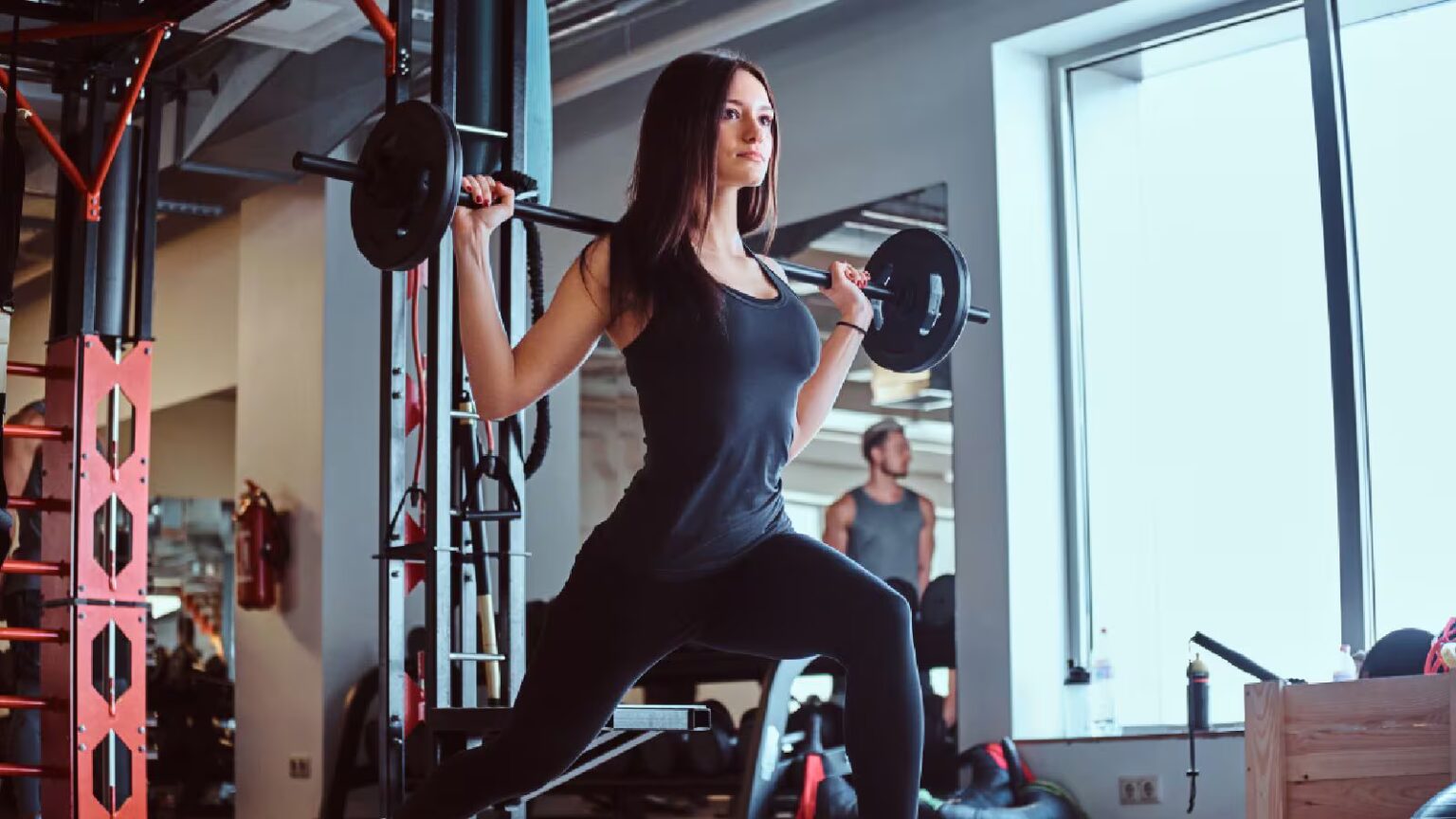
Incorporating simple strength exercises like squats, push-ups, planks, rows, and lunges into your daily routine is easy because they don’t require any special equipment. Women can also do it at home. These exercises can be started in your early 20s to early 30s and can be performed even by older adults. To improve overall fitness, women can practice these to achieve long-term goals such as building functional strength and mobility.