By using this site, you agree to the Privacy Policy and Terms of Use.
Accept

Fitness Focus Front

Master Your Health, Master Your Future.

  • Home
  • Wellbeing
  • Fitness
  • Diabetes
  • Healthy Eating
  • Weight Loss
  • Intimate Health
  • Mindset
Notification Show More

Fitness Focus Front

Master Your Health, Master Your Future.

  • Home
  • Wellbeing
  • Fitness
  • Diabetes
  • Healthy Eating
  • Weight Loss
  • Intimate Health
  • Mindset
Follow US
Fitness Focus Front > Diabetes > 7 Foods to Avoid With Hemorrhoids
Diabetes

7 Foods to Avoid With Hemorrhoids

March 6, 2026 11 Min Read
Share
11 Min Read
7 Foods to Avoid With Hemorrhoids
SHARE
Anyone who has dealt with hemorrhoids is likely familiar with their characteristic symptoms: itching, swelling, pain during bowel movements, and sometimes blood when wiped. Hemorrhoids are swollen veins that develop inside or outside the lower rectum and anus, often due to repeated pressure from straining or passing hard stools. It is common during pregnancy, postpartum recovery, and periods of chronic constipation.

Creams, sitz baths, and medical treatments can help manage symptoms, but diet plays an important supporting role. What you eat affects the consistency of your stool, your hydration level, and how hard you have to strain to use the toilet. This tension directly affects the pressure on the rectal veins and can worsen swelling and inflammation. Therefore, drinking plenty of fluids and eating a diet high in fiber is often recommended to reduce hemorrhoids.

Conversely, foods that are low in fiber, high in sodium, highly processed, or irritate the gastrointestinal tract tend to worsen symptoms. Here’s a look at seven foods to limit when managing hemorrhoids.

1. Highly processed foods

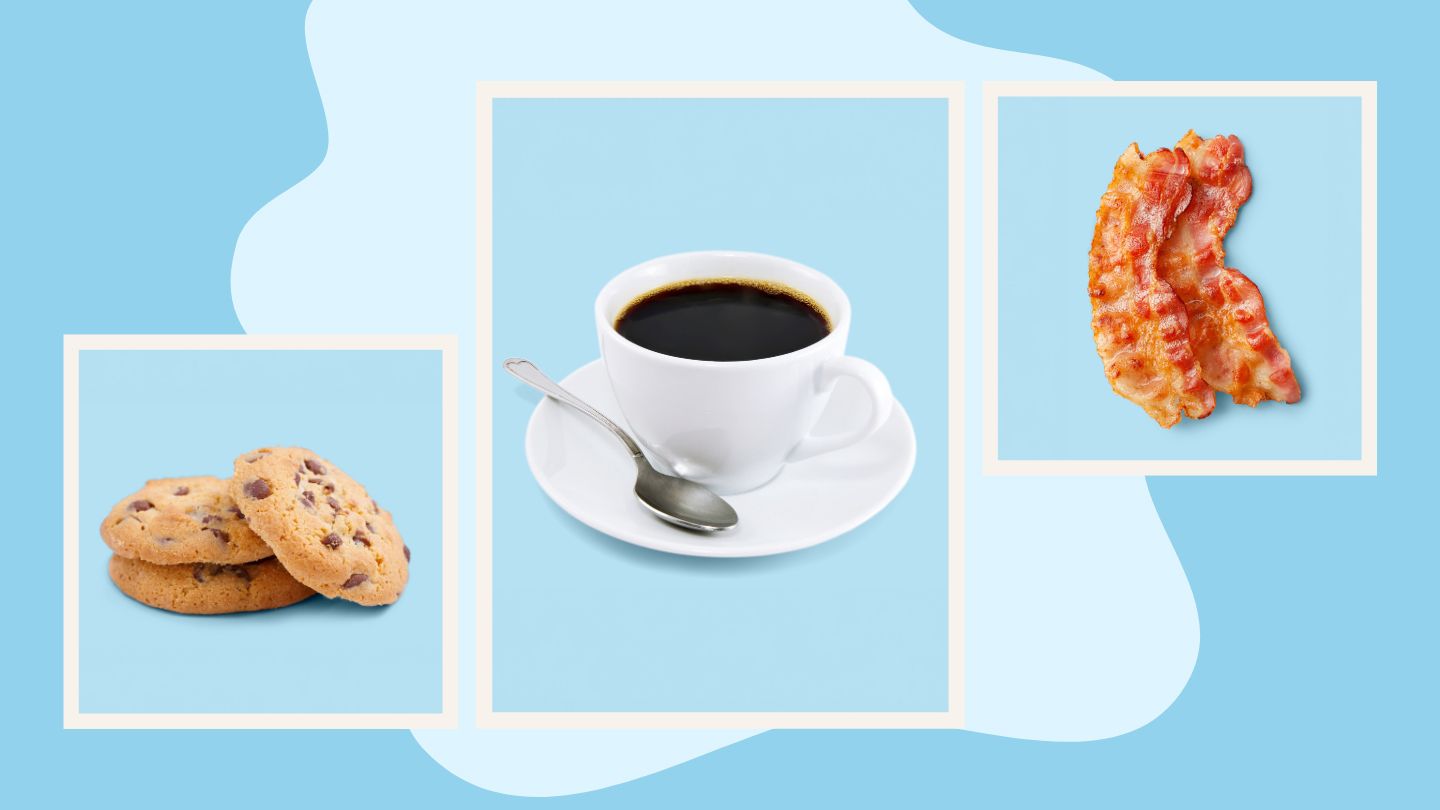
Potato chips, cookies, and packaged snack foods are typically low in fiber and high in sugar and fat, an unfortunate combination if you’re trying to prevent constipation and straining during bowel movements.

Researchers have linked increased intake of ultra-processed foods (UPF) to increased odds of constipation. Also, among people with constipation, white bread and refined breakfast cereals high in sugar topped the list of causes of difficulty defecating.

UPF is food that is manufactured using additives or preservatives. Possible items include packaged cookies, energy drinks, and lunch meat.

Eating these foods also creates a vicious cycle, according to Alex Afshar, M.D., founder of the Hemorrhoid Institute of Connecticut. “They’re low in fiber, which makes your stools hard and straining. They’re also high in fat and sugar, which slows down your gastrointestinal motility,” he says.

When bowel movements are delayed, stool stays in the colon longer, allowing the body to absorb more water from the colon. As a result, the stool becomes drier and harder, putting more pressure on the already swollen rectal veins and worsening hemorrhoid symptoms.

See also  The Connection Between EPI and Diabetes

According to Dr. Afshar, these snacks replace fiber-rich foods in your diet and reduce your overall intake of nutrients that support gut health.

2. spicy food

Research has not shown a definitive link between spicy foods and hemorrhoids, but anecdotally, people with hemorrhoids report that their symptoms worsen when they eat spicy foods, says Anish Sheth, M.D., a gastroenterologist at Penn Medicine Princeton Health in Plainsboro, New Jersey, and co-author of the book. What is your poop telling you?
“Spicy foods make you feel irritable when you’re on the go, and that’s the problem,” says Dr. Sheth. “Technically, it doesn’t make hemorrhoids bigger or worse, but it can make symptoms worse for people who have hemorrhoids, just because the lining of the hemorrhoid is painful,” he says.

Spicy foods can also stimulate more frequent bowel movements. “And as the volume of bowel movements increases, the irritation to the rectal area increases,” says Afshar. More trips to the bathroom can lead to more wiping and rubbing, he says.

Therefore, when you have hemorrhoids, you should be careful with your favorite spicy dishes and avoid them if necessary to reduce discomfort in already inflamed sensitive areas. Sheth says: “We don’t want to add fuel to the fire.”

3. Processed meat

A study of 204 people who experienced constipation found that eating processed red meat, such as bacon, sausage, and lunch meat, can lead to constipation.

Like many packaged snacks, processed meats contain no fiber and are often high in sodium. Afshar says high sodium intake can lead to dehydration, especially if you don’t drink enough water.

Dr. Rashmi Tadiparthi, a gastroenterologist at Gastro Health in Cincinnati, says fiber, or lack thereof, plays a central role in stool consistency. Indigestible fiber helps move stool into the colon where water can be absorbed, improving stool size and consistency.

Without enough fiber and proper hydration, stools become bulky, dry and difficult to pass, increasing the likelihood of straining, she says.

4. Excess caffeine

Your daily coffee habit isn’t automatically your enemy. Caffeine tends to be very individual when it comes to hemorrhoids, but some experts recommend cutting back on caffeine if you have hemorrhoids.

Tadiparthi says she relies on her morning cup of coffee to give her a “pick-me-up” because caffeine can stimulate the colon and encourage bowel movements. Some studies even link coffee consumption to an increased risk of diarrhea.

See also  New Kind of Diabetes Drug Helped People Lower Blood Sugar and Lose Almost 40 Pounds

At the same time, caffeine is a mild diuretic and can cause dehydration in some people. Dehydration can cause stools to become hard, increasing strain and pressure on swollen rectal veins.

Still, Sheth says caffeine has a number of benefits, including supporting brain health and lowering the risk of chronic disease. “Overall, I think it’s a net positive for people who are in moderation,” he says, warning against sugary, creamy and high-fat coffee drinks.

The key is balance. “Reliance on coffee for fluids can lead to hard stools and worsen hemorrhoids,” says Tadiparthi. “It’s very important to drink coffee and stay hydrated to avoid worsening your hemorrhoid symptoms.”

5. Alcohol

A night out can leave you with more than just a headache. Alcohol can also cause hemorrhoids.

Like coffee, alcohol is a diuretic and, especially when consumed in excess, can increase urine production and cause dehydration.

Remember that dehydration causes less water in your stool, making it difficult to defecate. This puts strain on the swollen rectal veins, increasing the likelihood of pressure buildup, Tadiparthi says.

Afshar said other factors are at play. Alcohol causes vasodilation, or dilation of blood vessels. “It causes swelling of the hemorrhoid’s blood vessels, and when that happens, it’s uncomfortable in itself,” he says. Some people’s symptoms worsen after drinking too much “because the rectal canal is swollen.”

6. High-fat dairy products

Dairy products in moderation are safe unless you are lactose intolerant. However, for some people, consuming large amounts of full-fat dairy products such as whole milk, rich cheese, and ice cream can slow down digestion and cause constipation.

This also puts strain on the hemorrhoid veins, increasing the risk of putting more pressure on them, Afshar says. “Anything high in fat reduces motility in the gastrointestinal tract,” he says.

This is another food category that differs from person to person, Sheth says. Full-fat dairy products can cause constipation in some people, while others can cause diarrhea and irritate hemorrhoids.

If consuming full-fat dairy products does not change your bowel habits, there is no need to eliminate them.

See also  Could an Intestinal Procedure Be the Future of Type 2 Diabetes Therapy?

7. Red meat

There are two important problems with red meat. For one thing, it lacks the fiber that bulks up your stool, and it moves through your digestive tract more slowly, making your bowel movements sluggish, Tadiparthi says. “Red meat often takes longer to digest than plant-based foods, which means it passes through the colon more slowly. The slower transit and less stool volume can worsen constipation and lead to hemorrhoid inflammation,” she says.

This doesn’t mean you need to remove the steak completely. “As long as you’re supplementing your daily diet with fiber and staying hydrated, it’s fine in moderation,” says Afshar.

The goal is balance. Most adults should aim to get about 25 to 30 grams of fiber per day from whole foods such as oats, apples, and beans.

If your symptoms don’t improve within a few weeks after changing your diet, or if your hemorrhoids cause persistent itching, burning, or frequent bleeding, talk to your doctor, says Tadiparthi. These symptoms may have other causes and require different treatment.

takeout

  • Foods that are low in fiber, high in sodium, or highly processed can increase the likelihood of constipation, dehydration, and straining during bowel movements, which can worsen hemorrhoid symptoms. All of these can put pressure on the hemorrhoids.
  • A hemorrhoid-friendly diet is rich in fiber (aim for 25 to 30 grams per day), which, when combined with adequate fluid intake, softens stools, reduces pressure on rectal veins, and reduces the risk of worsening symptoms.
  • If your symptoms do not improve after a few weeks after changing your diet, or if you experience persistent bleeding or severe pain during bowel movements, it is important to consult your health care provider.

TAGGED:DiabetesDiabetes HealthDiabetes Management
Share This Article
Facebook Twitter Copy Link
Leave a comment Leave a comment

Leave a Reply Cancel reply

Your email address will not be published. Required fields are marked *

Popular Blogs

Does poor menstrual hygiene increase cervical cancer risk?
Does poor menstrual hygiene improve cervical most cancers danger?
February 5, 2026
Quitting Ozempic and Wegovy could lead to rapid weight gain: What every patient needs to know?
Quitting Ozempic and Wegovy may result in fast weight achieve: What each affected person must know?
February 5, 2026
Chris Hemsworth Diagrams a Killer Upper Body Workout Fit For an Action Star
Chris Hemsworth Diagrams a Killer Higher Physique Exercise Match For an Motion Star
February 5, 2026
15 Pilates Exercises Beginners Need to Know
15 Pilates Workouts Novices Must Know
February 5, 2026
hunger pangs
Are your children actually hungry? Dietitian reveals ‘hidden starvation’ and what it means for well being
February 5, 2026

You Might Also Like

What Are Personalized Vitamins, and Do You Need Them?
Diabetes

What Are Personalized Vitamins, and Do You Need Them?

By Mofo Bond
Apricot for Diabetes – A Research-based Guide
Diabetes

Apricot for Diabetes – A Research-based Guide

By Mofo Bond
Severe Flu or COVID-19 Could Raise Lung Cancer Risk
Diabetes

Severe Flu or COVID-19 Could Raise Lung Cancer Risk

By Mofo Bond
20 Tips for Building and Cultivating Your Resilience
Diabetes

20 Tips for Building and Cultivating Your Resilience

By Mofo Bond

Topics

  • Wellbeing
  • Fitness
  • Diabetes
  • Healthy Eating
  • Weight Loss
  • Intimate Health
  • Mindset
  • Home
  • Wellbeing
  • Fitness
  • Diabetes
  • Healthy Eating
  • Weight Loss
  • Intimate Health
  • Mindset

Legal Pages

  • About Us
  • Contact Us
  • Disclaimer
  • Privacy Policy
  • Terms of Service
  • About Us
  • Contact Us
  • Disclaimer
  • Privacy Policy
  • Terms of Service

Editor's Choice

18 Grocery Staples That Help Stretch a Meal Further
Could an Intestinal Procedure Be the Future of Type 2 Diabetes Therapy?
Actor Chris Hemsworth Issued a Five-Round, 50-Rep Full-Body Workout Challenge

© 2025 All Rights Reserved | Powered by Mofo bond

Welcome Back!

Sign in to your account

Lost your password?