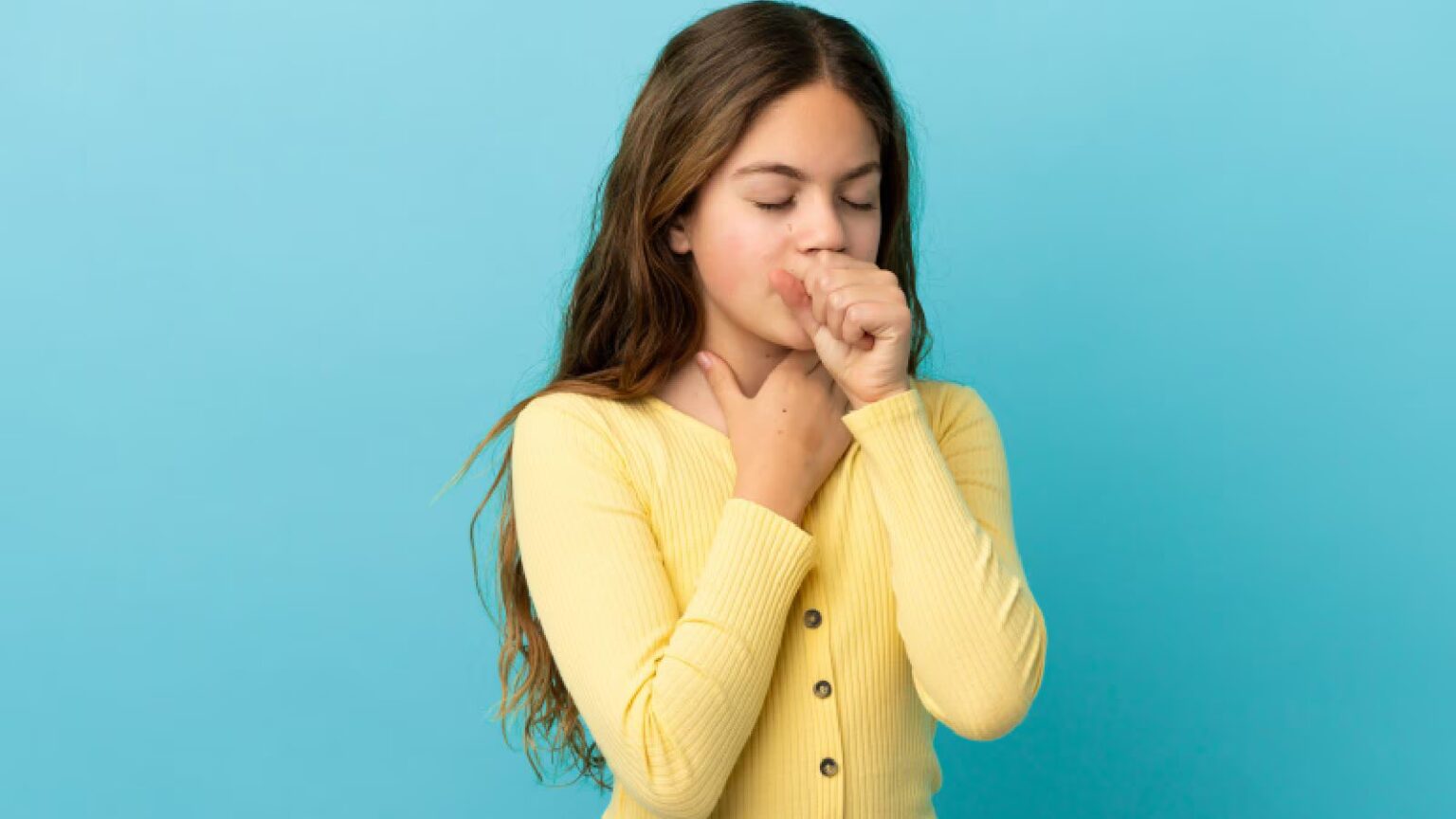
Walking pneumonia is a milder type of pneumonia that can affect children. Know the signs of walking pneumonia in children and how to treat it.
If your child has a cough or a sore throat, you may not rush to take them to the nearest hospital. In fact, they may be going to school or playing outside with friends. However, a cough or sore throat can be a sign of walking pneumonia. Walking pneumonia is an informal term for a common bacterial health condition. This is a mild form of pneumonia and a serious respiratory infection that affects the lungs. Walking pneumonia in children does not necessarily require a visit to the hospital, but it is important to receive treatment on time.
What is walking pneumonia?
Walking pneumonia, also known as atypical pneumonia, is a type of lung infection. “This is a mild form of pneumonia that often affects children,” says pediatrician Dr. Preeta Joshi. Approximately 120 million cases of pneumonia occur in children under 5 years of age each year. According to a study published in the journal Pneumonia in 2015, it has killed at least 1 million people worldwide.

In cases of walking pneumonia in children, most children do not become sick enough to stay home or stop activities. That’s why it’s called “walking” pneumonia. But once you’re diagnosed, be sure to stay home, get the right antibiotics, and make sure your recovery is on track.
What causes walking pneumonia in children?
According to the American Lung Association, walking pneumonia in children is most commonly caused by mycoplasma pneumonia. “This is a type of bacteria that spreads through droplets when an infected person coughs or sneezes,” experts say. Unlike typical bacteria, Mycoplasma pneumoniae does not have a hard cell wall, so it can be resistant to antibiotics. Anyone can become infected, but children and young adults between the ages of 5 and 17 are most often targeted, according to the U.S. Centers for Disease Control and Prevention.
“Other bacteria, such as Chlamydia pneumoniae, and certain viruses, such as influenza and respiratory syncytial virus, can also cause walking pneumonia in children,” Dr. Joshi says.
What are the symptoms of walking pneumonia in children?
According to the CDC, children may experience symptoms such as diarrhea, wheezing, and vomiting. Other signs of walking pneumonia in children are:
- Cough that may last several weeks
- sore throat
- headache
- Fatigue, especially when doing sports or physical activity.
- slight fever
- If your child’s chest recedes while breathing, it’s a sign that your child is breathing hard.
- Fever may be accompanied by chills.
What stage is walking pneumonia in children?
Walking pneumonia in children goes through the following stages:
- The incubation period lasts 1 to 4 weeks, during which the bacteria grows in the respiratory tract without showing symptoms.
- Symptoms gradually appear after an incubation period.
- A persistent dry cough occurs, often worse at night. Chest discomfort and mild to severe shortness of breath may also occur.
- Walking pneumonia is mild, but if left untreated, it can progress to full-blown pneumonia. “In such cases, you will notice more pronounced respiratory symptoms such as increased cough, chest pain, and difficulty breathing,” says the expert. At this stage, your child may need to be hospitalized.
- During the recovery phase, symptoms usually improve within a few weeks with proper treatment, but the cough may persist for weeks or even months.
How is walking pneumonia diagnosed in children?
Walking pneumonia in children is diagnosed by a detailed medical history and careful examination.
- Respiratory system tests may suggest pneumonia, and the doctor will order a chest x-ray.
- A mucus sample is collected from the nose or throat for the final diagnosis.
- There are also blood tests that can check your body’s immune response to mycoplasma.

How can I treat walking pneumonia in children?
Treatment of walking pneumonia includes:
1. Symptomatic treatment
“For fever, medicines such as paracetamol or ibuprofen may be given. Doctors may give cough syrup and recommend steam inhalation,” the expert says. Some children have hyperreactive airway disease. This is a condition in which the airways become hypersensitive to irritants. “In such cases, the child will need a type of bronchodilator to make breathing easier,” says Dr. Joshi.
2. Radical treatment
If Mycoplasma pneumonia is diagnosed, antibiotics are the only effective and reliable treatment. “Five to 10 days of oral antibiotics are usually recommended to treat walking pneumonia in children,” experts say. In some cases, it may take more than 10 days.
3. Treatment of severe cases
Some children may require respiratory support in the form of oxygen, non-invasive or invasive ventilatory support. “Infections can become resistant to first-line antibiotics and may require stronger antibiotics for longer periods. If severe pneumonia develops, a course of steroids may be given,” the experts say.
4. Personal hygiene measures
Starting antibiotics will reduce the chance that your child will pass the disease on to you or other family members. “Still, make sure to wash your hands properly and cough or sneeze into your elbow,” experts say. Also, make sure your child is up to date on immunizations to protect against other infectious diseases.
“It may take two to six weeks for your child to fully recover. Do not stop taking antibiotics until the course is complete,” experts say.
Walking pneumonia in children is very common. Even if the symptoms are mild, they must be treated to prevent them from becoming severe pneumonia. Be sure to give medicine to your child only after consulting your doctor.
Related FAQ
Can walking pneumonia be cured naturally?
No, it usually requires prompt diagnosis and treatment with antibiotics that can specifically eliminate mycoplasma.
Is walking pneumonia contagious?
Yes, it is contagious as long as symptoms persist and can be spread by droplet infection. It is important to adhere to all personal hygiene measures, including strict hand washing and coughing and sneezing into your elbow. Starting antibiotics will reduce the chance that your child will pass the disease on to other family members.