What makes the P90X Factor so effective is the way its three pillars work as a complete performance ecosystem. Strength promotes adaptation, exercise increases performance, and recovery protects longevity. Together, they deliver faster results while reducing the risk of breakdowns and stagnation. Each pillar plays a precise physiological role within the system, and understanding them individually reveals why the program works so well as a whole. Here, we explore Pillar 3 and highlight how recovery can be a strategic advantage in long-term transformation.
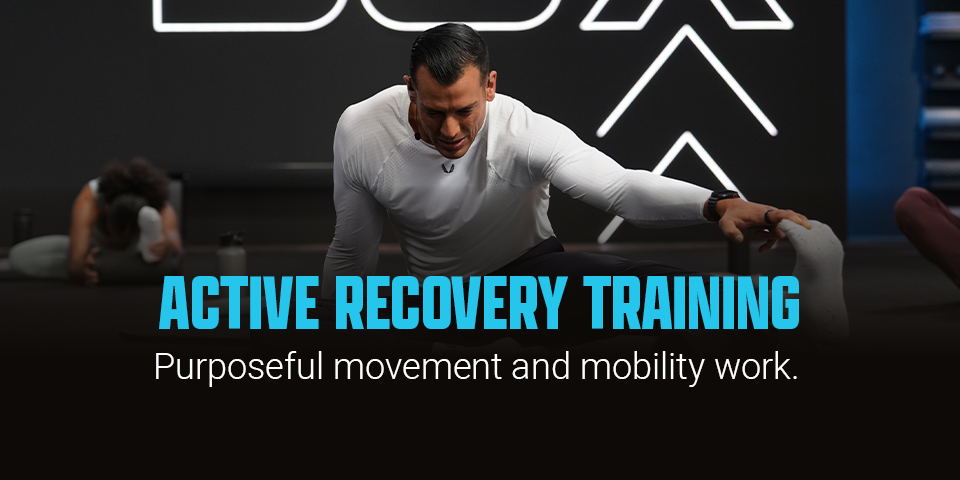
Active Recovery Training (ART) What drives recovery and longevity? Next P90X generation. Instead of relying on complete rest, ART Movement-based recovery, mobility work, tissue repair It helps you recover faster, reduce pain, and maintain consistency.
This pillar allows you to: Train hard without burning out or breaking downsupporting long-term performance and injury prevention.
Focus: Recover faster, move better, train longer
ART is designed to: Improve resilience, mobility, and responsivenessassisting participants:
- Reduce muscle pain and fatigue
- Improve flexibility and joint mobility
- Promote blood circulation and speed recovery
- Reduce stress and nervous system overload
- Maintain consistency in training without burnout
According to research, Active recovery improves blood flow, removes metabolic byproducts more efficiently, and restores performance faster than passive rest. (Barnett, 2006; Greenwood et al., 2008).
Science: Exercise as a recovery tool
Low-intensity exercise has been proven to: Accelerate recovery, reduce fatigue and improve readiness for future training.. Research has shown that structural recovery can help prevent overtraining and performance decline over time (Meeusen et al., 2013; Dupuy et al., 2018).
Improves mobility and flexibility training too Range of motion, joint health, and quality of movementsupporting long-term physical resilience (Behm and Chaouachi, 2011).
Why it works: Improved recovery improves performance
ART supports performance by:
- Promotes blood circulation and aids muscle repair
- Reduces neuromuscular tension and stiffness
- Improved quality of movement and posture
- Supports nervous system recovery and stress regulation
- Reduce your risk of injury and extend your training longevity
result: Improved resilience, fewer setbacks, increased mobility, and enhanced long-term consistency.
ART Workout for P90X Generation Next
- active mobility – Improves joint health, freedom of movement and control.
- active flexibility – Increase range of motion while maintaining strength
- myofascial release – Reduces tissue tension, improves circulation and supports recovery
These sessions will help you maintain your body Fresh, elastic and ready to run.
Bottom line: recovery is a performance benefit
active recovery training You can train harder, recover faster, and stay consistent without burnout. ART supports you by making recovery a strategic part of your training. You move better, feel better, and see long-lasting results..
This is not a vacation.
This is training for longevity and peak performance.
Get a P90X subscription