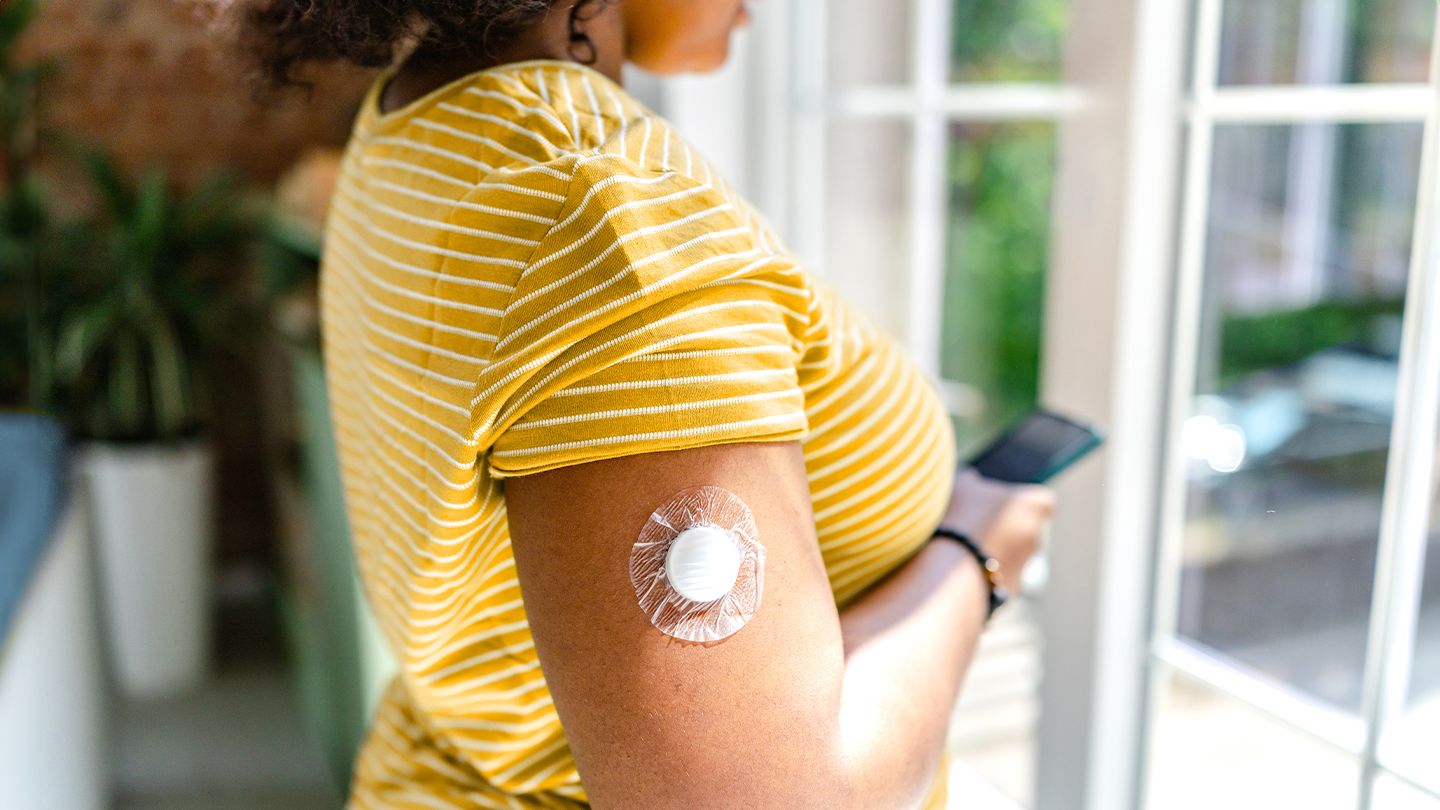
“Time in range reveals how much of the day a person’s blood sugar levels remain in the so-called ‘health zone,’ measured using a continuous glucose monitor,” says Mikhail Zilbermint, MD, associate professor at Johns Hopkins University School of Medicine and chief of the division of endocrinology, diabetes, and metabolism at Suburban Hospital in Maryland.
“There may be different coverage areas for certain populations,” says pediatric endocrinologist Christine Alcala, M.D., clinical co-director of the division of pediatric endocrinology and diabetes at Johns Hopkins Children’s Center in Baltimore. “For example, coverage for pregnant patients (may be different),” she says.
advantage
TIR can show you what’s actually happening on a day-to-day basis, says Dr. Zilvermint. “This is more than just an average like A1C. It helps us understand high blood sugar, low blood sugar, (and) fluctuations in blood sugar levels, which we know impact how people feel, function, and stay safe,” he says.
Additionally, TIR provides daily feedback so users know exactly which variables are affecting their blood sugar levels. With this information, healthcare providers can help patients decide on their next action steps.
Dr. Alcala says that available time can be very helpful for health care providers in making treatment decisions, for example, if a patient is found to have high blood sugar levels during a certain time of day. “Time in range really has a lot of benefits in clinical decision-making about insulin dosing and drug dosing,” she says.
TIR has not been as extensively studied as A1C because it has been available for less time than A1C. Nevertheless, preliminary data suggest that higher TIR is associated with improved diabetes outcomes, including reduced risk of:
- Cerebrovascular disorders and microvascular complications
- diabetic retinopathy
- severe hypoglycemia
- All-cause mortality and cardiovascular disease mortality
- Pregnancy-related complications
Cons
Without CGM, there is no TIR. “Pretty much the only way to get in-range (measurement) time is to get a lot of data, so people have to wear continuous glucose monitors, or CGMs,” says Zilvermint. “We understand that it may not be accessible or appealing to everyone.”
Acara also says that TIR can be an issue if the patient does not wear the sensor continuously. “Looking at time with distance data tells you what your blood sugar control is while wearing the CGM, but it doesn’t improve your blood sugar control while you don’t wear the sensor,” she says. Not everyone likes to wear CGM all the time. Frequent alarms, alerts, and reminders from CGM devices can also lead to diabetes technician distress and burnout.
Some users may also have issues with inaccuracies in CGM data. “One of them could be reduced compression,” Akara says. Compression drop occurs when the blood sugar reading on the CGM is inaccurately low due to pressure application. This can happen if you sleep with your CGM pressed against your mattress.
Finally, experts cannot be completely sure whether good TIR leads to good long-term health outcomes because there is simply a lack of long-term data on TIR. “We’ve only really been using CGM on a large scale for probably the last 15 years or so,” Acara says. “We haven’t done any particular long-term studies.”