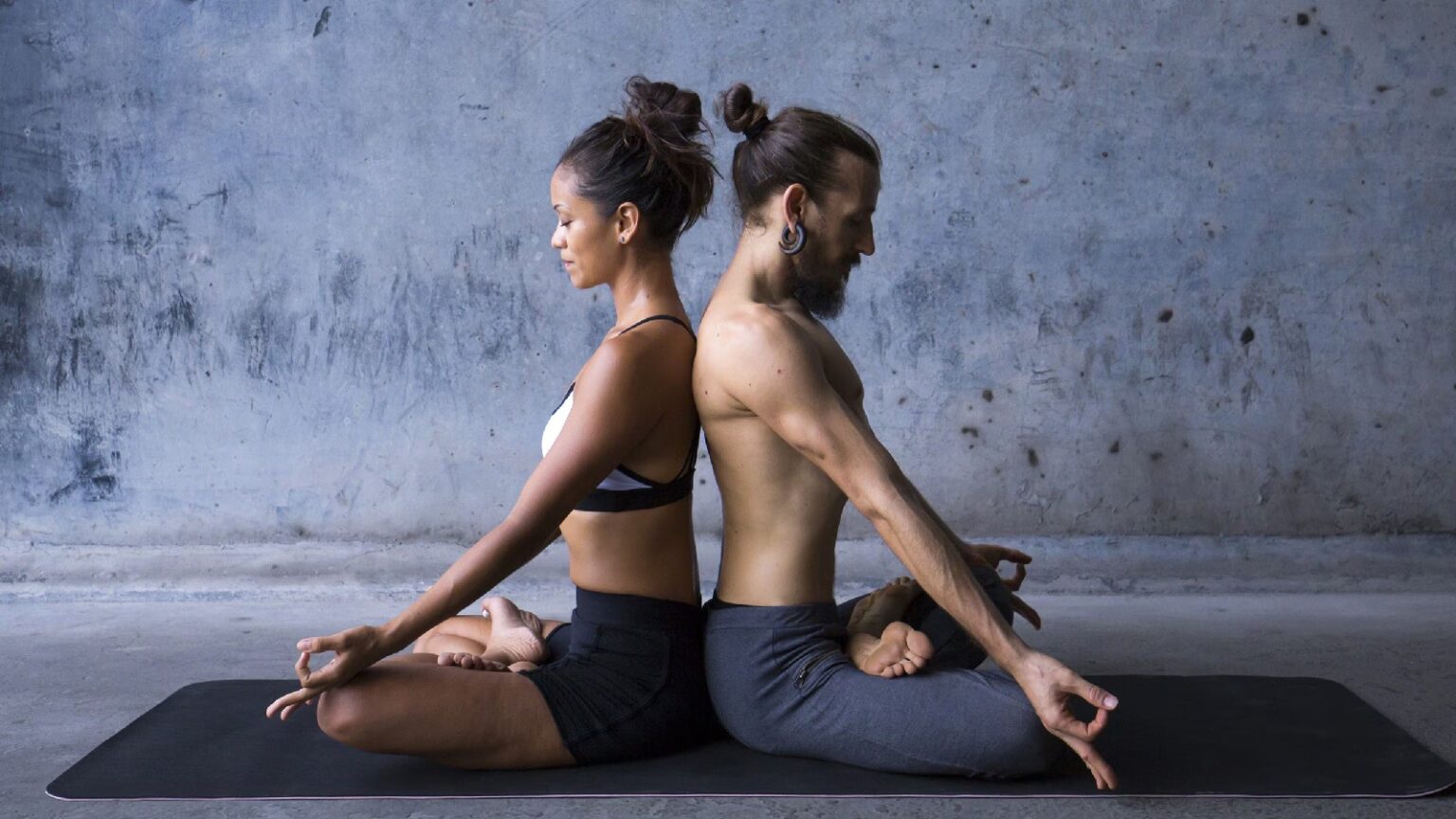
Couples yoga strengthens emotional connections, builds trust, improves communication, and results in healthier relationships.
Valentine’s Day often celebrates romance through words, gifts, and shared moments. But beyond these expressions lies a deep longing that many couples feel. It’s the desire to feel truly seen, supported, and emotionally connected. Certain spiritual practices that promote health and relationships can subtly improve it, and couples yoga is one such practice.
What is couples yoga?
Couples yoga is not about flexibility or perfect posture. It’s about presence. When two people stand on the mat, they enter a world of collective consciousness where they do not speak. they communicate. “Breathing in rhythm, moving in mutual support, and maintaining gentle eye contact creates a sense of psychological safety. This sense of security is the foundation for developing trust,” Himalayan yoga and spiritual teacher Siddha Akshar tells Healthshot.
Building relationships is based on learning to trust and rely on others without hesitation. Balance and coordination are common requirements in couples yoga. “One partner can lean into the other knowing that the other partner will stay,” says the yoga expert. Alternative postures may involve synchronized movements where timing is more important than strength.
These scenes resemble real-life relationships that build trust through small acts of kindness and generosity. “Every successful pose confirms the idea that support is available when you need it,” says the expert. Emotional attachment is further enhanced because people feel heard without having to elaborate.
Can couples yoga improve communication?
Couples yoga promotes nonverbal communication through touch, posture, and breathing. A gentle adjustment, a steady hand, or a shared pause can express care more clearly than words. “This nonverbal communication helps partners better understand each other’s emotional states and develops empathy and compassion,” says Akshar.
Can stress cause distance in relationships?
Stress tends to push relationships apart. Daily responsibilities, unspoken worries, and emotional exhaustion can gradually weaken intimacy. Practicing yoga can help couples relieve this tension together. “When the body relaxes, the mind follows, creating space for calm and openness. This mutual relaxing effect increases emotional availability and allows partners to reconnect without pressure or expectations,” say the experts.

Best couples yoga poses worth doing with your partner
Himalayan yoga and spiritual leader Siddha Akshar shares yoga asanas for couples.
-
partner twist
Partner twists are performed with each partner’s backs leaning against each other. Inhale together to lengthen your spine. As you exhale, twist in the opposite direction. This position represents respect for individuality in unity. Each partner acts autonomously, but is supported. This is a gentle form of detoxing the body, reminding couples that growth usually happens when you give them space and distance.
- Flying Warrior (Flying Partner Pose)
This playful yet powerful pose is rooted in trust. One partner becomes a base on the mat, and the flyer leans forward to support himself as he stands up. Flying Warrior fosters confidence, communication, and vulnerability. It emphasizes that a person can be free in a relationship only if there is a sense of stability underneath it.
3. Temple pose
Stand facing each other, partners hinge forward and rest their forearms, hands, and weight on each other. Temple pose requires the same level of effort and emotional commitment. Stretch your shoulders and chest and loosen your ego. This pose reminds us that relationships thrive when both partners lean in, not just one.
4. Twin Tree Pose
In Twin Tree Pose, partners stand side by side, forearms connected, opposite arms raised, and one foot rooted in the ground. Balance here is shared, not forced. When one partner weakens, the other partner strengthens. This posture strengthens the legs and mind and reinforces the truth that balance in relationships is a collaborative effort.
5. Partner breathing
Partner breathing is one of the most basic and profound practices and is practiced while sitting back to back. Breathing is synchronized, with partners inhaling and exhaling together. This quiet form of interaction relaxes the nervous system and deepens intimacy. Without words, couples learn to listen to each other’s breathing and silence.