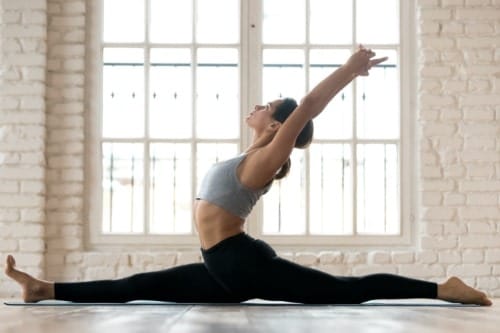
The word “yoga” means “union”. Yoga aligns or integrates the mind and body. The benefits of yoga are both physical and mental. Yoga is an ancient practice.
Yoga will never lose its relevance. Yoga helps in perfectly aligning the mind and body. Therefore, even today yoga is necessary for a healthy and healthy life. The different types of yoga asanas focus on a common goal: overall well-being and physical health.
You can practice different types of yoga and enjoy all its benefits from the comfort of your home. The best part about yoga is that all you need is a mat and 30 minutes every day to get started on this path.
If you search online, you can find many different types of yoga that target specific health issues. For example, therapeutic yoga includes yoga for lower back pain, yoga to reduce belly fat, yoga asanas for weight loss, and even yoga for weight gain. These are a series of body postures and breathing techniques that comprehensively target and eradicate the problem.
benefits of yoga
Yoga, unlike other forms of exercise, is a way of life. Terms such as yoga glow, yoga abs, and yoga calm have been popular for years.
People who practice yoga for a long time notice significant changes in their body and mood. The main benefits of yoga are:
- Continuous exercise leads to weight loss
- Improves blood circulation and improves skin quality and texture
- Delays overall aging and is therapeutic in nature
- Improving physical strength
- Good for gut health and improving digestion
- Strengthen fertility and reproductive health
- improve sleep cycles
- it makes you calm and happy
- improve concentration
- reduce stress
- improve immunity
Research shows that yoga has therapeutic effects. Practicing yoga makes you healthier compared to people who don’t practice yoga.
different types of yoga
hatha yoga

Hatha in Sanskrit means “power”. Therefore, hatha yoga restores balance to the body. This type of yoga works on harmony between chakras and energy points. Chakras are energy vortices or points in the body where energy is concentrated. They are located in seven different locations in the body and are connected to specific organs and glands.
Hatha yoga consists of many physical postures and postures that balance the body and mind. Different types of yoga from different schools and teachers have certain basic characteristics in common.
Research shows hatha yoga can help you relieve stress, maintain strength and agility, and look younger. Additionally, hatha yoga cleanses and heals our system. Also, continuous exercise leads to weight loss and toned muscles.
The different types of yoga forms that originated from hatha yoga are:
ashtanga yoga

Ashtanga yoga is a direct derivative of sage Patanjali’s Yoga Sutras. The word Ashtanga, a well-known form of yoga for weight loss, is derived from the Sanskrit word for eight.
Ashtanga yoga has eight pillars: principles, personal discipline, asanas and poses, pranayama, withdrawal, concentration, meditation, and relief.
Some of the common different types of asanas practiced in Ashtanga yoga are:
- padmasana
- simhassan
- butterfly
- kapalbhati pranayama
- anulom vilom pranayama
- Surya Bedi Pranayama
- chandra bedi pranayama
If you’re looking for yoga for anxiety and stress relief, upper back pain, lower back pain, or fat loss, Ashtanga is for you.
vinyasa yoga

This form of yoga is also called “flow” yoga. The word “Vinyasa” has two parts: Vi means change and Nyasa means within a prescribed range.
Vinyasa yoga incorporates movement and breathing techniques. Control your breathing to create a flow of posture that mimics the flow of life. For example, Vinyasa yogis begin their flow in child’s pose and end it in death pose (savasana). The transition to each posture reflects movement throughout life. Meditation is part of advanced Vinyasa yoga practice and makes the form more mindful.
For beginners to Vinyasa Yoga, the ideal order is:
- Plank pose (Kumbhasana)
- Knee/chest/chin pose (ashtanga namaskara)
- Cobra pose (Bhujangasana)
- Downward-Facing Dog Pose (Adho Mukha Svanasana)
Vinyasa yoga is perfect for people who like high-intensity exercise. Additionally, Vinyasa yoga is great for anxiety, depression, blood pressure, and sleep.
kundalini yoga

Kundalini yoga, also known as “yoga of consciousness,” involves repetitive poses. Kundalini Yoga awakens the latent Kundalini Shakti. This spiritual energy resides at the base of your spine. Yogis believe that Kundalini Shakti is like a coiled serpent, unawakened at the base of the spine. Therefore, active energy moves up the spine and contributes to mental well-being. Kundalini yoga is also good for stress, anxiety, depression and improving cognitive function.
The movement begins with a chant, followed by pranayama, the act of controlled and precise breathing. Next comes the kriyas, which are a series of postures or mudras (specific hand positions). Next, do pranayama, chanting, and meditation.
Jal Neti Kriya is a cleaning technique that removes mucus and other blockages from the nasal passages.
iyengar yoga
This type of yoga is very similar to Vinyasa yoga. Its name comes from BKS Iyengar, one of the world’s greatest yoga teachers. Iyengar yoga is different from other types of yoga. The main focus is on posture, body alignment, and body opening. We also use props like yoga blocks and belts to perfect the poses.
advantage
- increase flexibility
- toned muscles
- a calmer heart
- pain relief
- Improved posture and alignment
- protect from disease
- improved breathing
- strengthen muscles
Studies have shown that Iyengar yoga effectively cured musculoskeletal disorders. When this condition occurs, you will face severe back and neck pain. Additionally, it has shown tangible results in the treatment of spinal disorders. Strength, mobility, and stability develop in stages. It is also useful in treating gynecological and digestive disorders.
aerial yoga
Perfect for beginners as well as advanced users. Helps build lean and toned muscles. In contrast to traditional yoga, aerial yoga also incorporates other gravity-defying exercises. It combines the benefits of yoga and aerobic exercise such as swimming and running.
In this yoga, you will suspend your body in the air with a rope and we will introduce you to some poses.
advantage
- burn body fat
- improves flexibility
- cure breathing difficulties
- free from stress
- increases core strength
- improve posture
The four main paths of yoga
karma yoga
Karma Yoga is a path dedicated to selfless work. In other words, it is yoga in action. It means that you need to invest time, energy and effort into any task.
Don’t expect rewards or recognition. It is considered a humbling habit because it works for the greater good and not for the ego.
knowledge yoga
Jnana yoga is the yoga of intellectual knowledge and practical wisdom. This form is all about self-realization through meditative awareness. People experience knowledge and develop intuitive understanding. One learns to separate the ego from the true self.
Jnana yoga consists of three main stages.
- Shravana (hearing or touching knowledge),
- Manana (thinking and reconsidering wisdom to deepen understanding),
- Nidhidhyasana (meditation).
Jnana yoga may not be physically difficult, but it is one of the most difficult forms of yoga to practice because it requires an open mind.
raja yoga
Rajayoga means king in Sanskrit. Raja Yoga is also known as “Classical Yoga,” “King of Yoga,” or “Yoga of the Mind.” Also called Ashtanga yoga.
The word Ashtanga connotes the number 8, and Ashtanga Yoga also consists of eight steps.
- Yama (principle)
- Niiyama (personal discipline)
- Asana (posture and posture)
- Pranayama (breathing techniques)
- Pratyahara (withdrawal)
- Dharana (concentration)
- meditation
- samadhi (salvation)
Asanas can be practiced and honed over time to achieve perfection. For example, common asanas practiced in Ashtanga yoga include Padmasana (Lotus Pose), Simhasana (Lion Pose), and Bhadrasana (Butterfly Pose, etc.).
Many breathing techniques and pranayamas such as Kapalbhati, Anulom Vilom, Surya Bedi, Chandra Bedi, etc. are suitable for combating daily stress. If you want to try yoga for anxiety, stress relief, back pain, etc., then Raja Yoga is the best choice for you.
bhakti yoga
Bhakti comes from bhaji, which means to worship or love God. Some people think of bhakti yoga as a way to break free from the eternal cycle of birth and death. Walking this spiritual path helps one to integrate one’s soul or ‘Atman’ with Brahman or ‘True Reality’.
Depending on the type of bhakti you choose to follow, you identify as a particular type of devotee or bhakti.
- Alta – Troubled One
- Artarti – one who seeks material wealth
- Jijnasu – a curious person
- Jnani – a self-conscious person
different forms of yoga practice
Yoga in the modern world has evolved and expanded into specific practices.
face yoga
Shake off stress, tension, and worries with massages and exercises that soften and relax your facial muscles. This form of yoga has grown in popularity over the past few years. Believers believe this form of yoga can reverse aging and make you look 10 years younger.
yin yoga
Yin yoga is a combination of martial arts and yoga. This shape promotes blood circulation within the joints, improving flexibility and muscle tone. Hold the pose for at least one minute, and with practice you can hold the same pose for five minutes or more.
Yin yoga also makes good use of props such as blocks and blankets. Therefore, it is known to be performed after training due to its ability to relax the joints of the body.
yang yoga
Yang yoga is less experimental and combines hatha, vinyasa, and ashtanga. This form is more energetic than Yin yoga. It focuses on developing vitality, endurance, relieving body tension, and increasing muscle mass.
power yoga
Power yoga has its roots in Ashtanga yoga. Yoga poses should be performed at a faster and more vigorous pace. It works to tighten muscles and increase flexibility.
restorative yoga
Restorative yoga aims to completely relax you through a variety of poses. This form of yoga uses props to support the body. Guided meditation is an essential part of restorative yoga.
The main focus of restorative yoga is relaxing the nervous system. It is the perfect form to actively relieve anxious nerves and calm down. The idea is to hold the pose for several minutes.
maternity yoga
Maternity yoga aims to reduce the discomfort and pain associated with pregnancy. Maternity yoga teaches some useful breathing techniques that are very useful during childbirth.
Some of the techniques taught in prenatal yoga can also be used as part of postnatal yoga. This form helps new mothers lose weight gained during pregnancy.
Benefits of yoga during pregnancy
- Pelvic muscle endurance necessary for childbirth
- Relief from back pain, nausea, and headaches
- control shortness of breath
- improve sleep quality
- Reduces overall stress
There are different types of yoga that suit different people. Find the yoga technique that best suits your needs with the guidance of a certified yoga trainer.
Remember that the effects of yoga will not be felt in a short period of time. It’s a long-term commitment. Once you join and participate in yoga regularly, you’ll never want to stop doing it.
Frequently asked questions (FAQ)
Q. What are the four main paths of yoga?
The main types of yoga are karma yoga (selfless service), bhakti yoga (devotion), raja yoga (meditation), and jnana yoga (intellect).
Q. What are the eight styles of yoga?
The eight popular styles of yoga are Ashtanga yoga, Hatha yoga, Hot yoga, Iyengar yoga, Kundalini yoga, Power yoga, Restorative yoga, and Vinyasa yoga.
Q. What are the five main types of yoga?
The main types of yoga are Ashtanga yoga, Hatha yoga, Vinyasa yoga, Kundalini yoga, and Anusara yoga.
Q. What is the most popular type of yoga?
Hatha yoga is the most popular yoga. It is a series of gentle sequences combined with meditation. It’s a relatively easy pose, so it’s perfect for first-time yoga practitioners.
Q. What is the most difficult type of yoga?
Any form of yoga takes years of practice to perfect. For example, there is no such thing as perfect posture from day one. Similarly, it takes years to learn to control your mind. As a result, some people may find it difficult to concentrate, while others may find yoga poses difficult.
Q. What type of yoga is best for weight loss?
Any form of yoga is sure to help you lose weight. By adopting a strong posture, you can get the benefits of a full-body workout. Burn calories through rapid and continuous movement.
Q.What kind of yoga involves a lot of stretching?
Restorative yoga is a meditative style. This includes stretching to hold poses for several minutes.
Q. What are the five benefits of yoga?
Improves metabolism, reduces stress, aids weight loss, reduces back pain, and improves sleep quality.
Q. What are the disadvantages of yoga?
There are no disadvantages if you practice under the supervision of a trained teacher.
Q. How quickly does yoga change my body?
The period varies from person to person. Yoga takes more time than intense training. When done consistently, it takes approximately 6 to 12 weeks to see results.
Q. Is 25 minutes of yoga a day enough?
Generally, at least 20 minutes of yoga a day is enough to see visible results. Breaking up your practice into sun salutations, standing and lying poses, and focusing on different parts of your body each day will make your short practice more effective.
Q. Which age group is yoga popular with?
Yoga is effective for all ages. But unfortunately, many teenagers avoid it due to its meditative nature. However, due to its therapeutic effects, the situation is changing.
Q. When is the best time to do yoga?
Yoga is usually performed at dawn or dusk for maximum benefit.