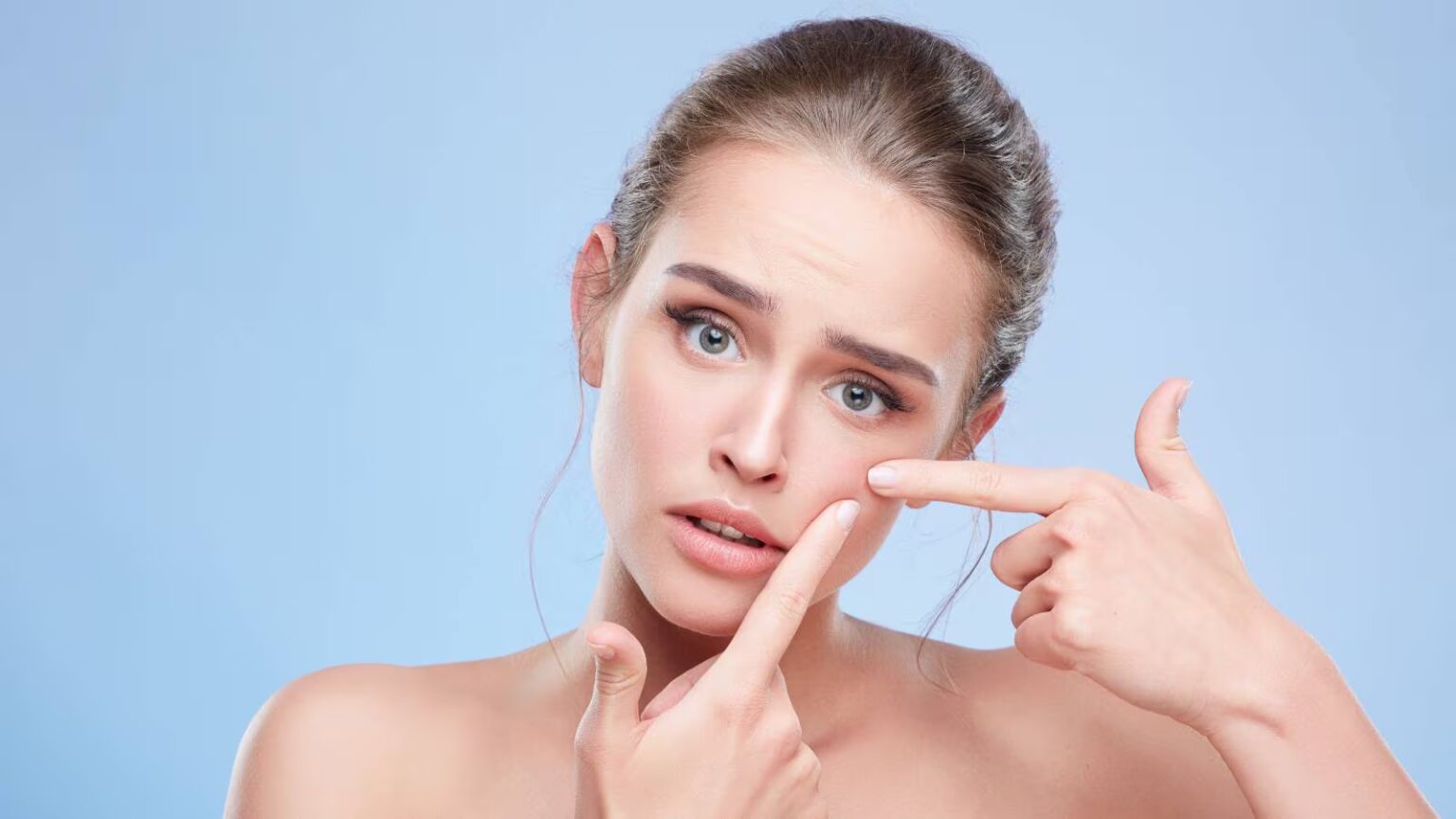
How does the skin show signs of hormonal balance and reproductive health? Improving your skin by changing your lifestyle and diet can be beneficial.
Have you ever noticed that your skin changes unexpectedly? It looks brighter and healthier for a week. Next, you may end up looking dull or developing breakouts. For many women, these changes seem normal and just a part of life. But skin is more than just something to look at. It can reveal a lot about your health, especially your hormonal and reproductive health. This link will help you determine what your skin is telling you about your gynecological health.
Which hormones are related to skin?
Skin problems such as acne, age spots, and dryness are often considered common skin concerns, but they may be indicative of a more serious hormonal disorder. “Our skin is usually the first place we see signs of changes in our body,” Dr. Chanchal Sharma, an Ayurvedic infertility doctor, tells Healthshot. Conditions such as thyroid problems, polycystic ovary syndrome (PCOS), and estrogen and progesterone imbalances can silently affect our skin and reveal problems before we notice any other symptoms.
If you have persistent hormonal acne, it not only means your period is coming, but it can also indicate a hormonal problem. “You may notice that your skin looks dull or that you have unwanted facial hair,” says the doctor. These problems are not just cosmetic. It may indicate important concerns about your reproductive health.
How can you tell if your acne is hormonal?
Watch out for the following signs: In addition to acne breakouts, unexplained dull skin can also indicate a hormonal imbalance. “Excessive beard can indicate increased androgen levels, which is often associated with conditions such as PCOS, and can lead to further skin problems,” says the Ayurvedic doctor. Pigmentation changes such as melasma or dark spots can occur during pregnancy or while using hormonal contraceptives and indicate a possible hormonal problem.
It is interesting to see how Ayurvedic ideas match modern medical knowledge. “Ayurveda teaches that the health of our skin is a reflection of how well our internal systems are functioning, especially our digestion, liver function, and hormonal balance,” says the expert. By addressing these areas, you can improve your skin and overall health.
What is the root cause of skin problems?
Dr. Sharma emphasizes, “Treatment of skin problems without addressing the root cause often provides only short-term improvement. For lasting results, it is important to use an integrative approach that includes gynecology, Ayurveda, and lifestyle changes.” If your skin is reacting to a hormonal imbalance, it’s important to address the underlying problem.

Improving your health starts with the basics: balancing your doshas, improving gut health, and reducing inflammation. “This is more than just taking supplements; it requires lifestyle changes,” says Dr. Sharma. Focus on eating better, managing stress, and getting quality sleep. These steps will help restore the health of your skin and reproductive organs.
Why is nutrition important for skin health?
Nutrition is very important for your skin and hormones. Eating whole foods, antioxidants, and healthy fats can improve your health. “Vitamin A, C, and E and minerals such as zinc are important for healthy skin,” says the fertility doctor. Foods high in omega-3 fatty acids, such as fatty fish, walnuts, and flaxseed, can help reduce inflammation and balance hormones.
It’s important to think about what you eat and what you avoid. “Processed foods that are high in sugar and unhealthy fats can increase insulin levels and worsen hormonal issues,” experts say. Choosing whole, unprocessed foods not only nourishes your body but also helps maintain healthy skin in the long run.
Can stress show up on your skin?
When life gets tough, it can show on your skin. Stress raises cortisol, a hormone that can be harmful to both your skin and overall health. You may get breakouts or your skin may become dull. “It’s important to understand how stress affects your skin,” says the expert. Stress-reducing techniques such as yoga, meditation, and walking can improve the condition of your skin. These activities lower cortisol levels, balance your hormones, and provide your skin with the calm it needs.
Does sleep help balance hormones?
Getting enough quality sleep is essential for maintaining healthy skin and hormonal balance. While you sleep, your body repairs and regenerates skin cells. “If you’re not getting enough sleep, your skin can look tired, with dark circles and a lack of glow,” explains the doctor. Aim for 7 to 9 hours of quality sleep each night to support both your skin and hormones. To prepare for a restful night’s sleep, consider establishing a calming nighttime routine.
Does your skin change during pregnancy?
Women considering pregnancy should be aware of changes in their skin. Healthy skin often indicates that your hormones are balanced and you are ready for pregnancy. “Changes in your skin can reflect what’s happening inside your body,” says the doctor. By being aware of these changes, you can consult a professional if something doesn’t seem right and stay on track with your pregnancy goals.