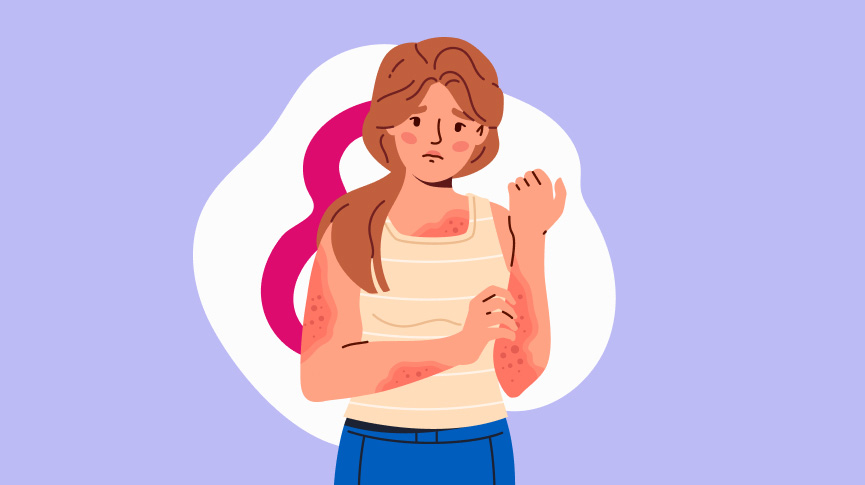
Ah, seasonal allergies. Hay Fever. Chronic allergic rhinitis. No matter what you call it, a runny nose, stuffy sinuses, sneezing, or itching that won’t stop is not a good condition. Allergic rhinitis, commonly called hay fever, has the following effects: 40 percent At some point in the life of a European.
Unfortunately, the discomfort caused by this widespread allergic reaction to pollen can also affect your sex life. In a recent study published in the journal Allergy and Asthma Research, 83% of people with allergic rhinitis surveyed reported that their sexual activity was at least sometimes affected by allergies, and about 17% said allergies always or almost always negatively affected their sex life.
It may be obvious that you don’t feel sexy when you’re not feeling well, but that doesn’t mean you feel any better. Additionally, the side effects of over-the-counter allergy medications taken to alleviate the unpleasant symptoms of hay fever can make you feel less like having sex. Over time, this can seriously impact your sex life, especially for those who suffer from severe seasonal allergies.
Although scientists haven’t yet been able to cure allergies, there are some things you can do to reduce your sensitivity to them and take steps to get out of your hay fever fog and back to your sexy self.
What you eat can make seasonal allergies worse
One thing that may surprise many people is the fact that what you eat can make your allergies worse. Even if eating certain foods does not usually cause a severe reaction, these foods can “cross-react” with other allergens, making allergies especially difficult to tolerate.
Up to one in three people who are allergic to tree pollen may experience a burning sensation in their mouth or an extra itchy throat known as “oral allergy syndrome” after eating certain foods. This is because proteins in pollen and fruit can cross-react. compound Pollen allergy.
For example, tree pollen allergies can be exacerbated by foods such as apples, almonds, apricots, celery, carrots, kiwi, cherries, peaches, parsley, and pears. If you are allergic to grass, be careful with fruits such as melons, oranges, and tomatoes. If you consume these foods regularly, your best bet is to eat them canned, well-cooked, or frozen.
When you stop feeling sexy, you will have less sex.
Although the study cited above doesn’t delve into the specific reasons why people with nasal allergies don’t have sex, it’s pretty straightforward to conclude that hay fever symptoms can make sex creepy. After all, symptoms such as a runny nose, watery eyes, and itchy eyes can make even a simple, intimate act like a kiss less appealing.
When your entire face feels uncomfortable, you may want to flirt, be intimate, or have skin-to-skin contact with other people. Imagine how uncomfortable it would be to perform oral sex when you can’t breathe through your nose, or how awkward it would be to be on the receiving end and fight the constant urge to itch your face.
Allergy medicines may not work either.
Antihistamines, whether prescription or over-the-counter, are commonly used by people to relieve seasonal allergies. However, the same mechanism by which antihistamines relieve allergy symptoms can also cause less desirable effects on your sex life.
Antihistamines work by blocking the effects of histamine, which is produced by the immune response and causes all the unpleasant symptoms, and are usually used in combination with decongestants to reduce swelling and make it easier to breathe through the nose.
Both of these drugs dry out mucus in your body, as well as your throat and sinuses. This means that over-the-counter cold medicines and allergy prescriptions can dry out the vaginal lining and disrupt the delicate balance of your body’s natural lubrication system.
Having sex without a proper supply of lubrication can lead to a variety of problems, including bleeding, burning, pain, itching, and urinary tract infections. That’s why it’s important to lubricate properly when having sex. Additionally, allergy medications can cause drowsiness, and for most of us who lead busy lives during the day, falling asleep quickly despite our best intentions can have a serious impact on our sex lives.
Minimize exposure to allergies
To avoid taking antihistamines until absolutely necessary, you can take other precautions to minimize your exposure to allergies and reduce symptoms.
- Close windows and use an air conditioner to circulate indoor air in the early morning and evening, when the amount of pollen is highest.
- Change the clothes you wear outside and wear clean clothes indoors.
- Take a shower before bed to remove pollen from your skin and feel better before cuddling with your partner
- Avoid hanging it outside to dry as pollen may adhere to it.
- Watch what you eat to avoid cross-reactions that can worsen allergies