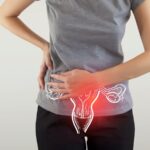
Winter during pregnancy can be harsh due to infections, dryness and weakened immunity. Obstetricians and gynecologists share important winter care tips to keep you and your baby healthy.
Winter can bring various challenges for pregnant women. From dry skin and dehydration to seasonal infections and weakened immunity, cold weather can have a silent effect on both mothers and their growing babies. Pregnancy already brings some physical and hormonal changes, and without proper care, winter can put extra stress on your body.
According to Dr Payal Narang, Consultant Obstetrician and Gynecologist at Motherhood Hospital, Pune, simple lifestyle adjustments during winters can go a long way in ensuring a safe and comfortable pregnancy. With proper nutrition, hydration, warmth, and medical guidance, pregnant women can get through the winter smoothly and protect their overall health.
Common winter problems faced during pregnancy
Pregnant women often experience specific discomfort during the winter, which should not be ignored.
- Dry skin and dehydration: Cold air draws moisture from your skin, causing itchy, dry, and cracked lips. The risk of dehydration also increases in winter, as thirst decreases.
- Low immunity: “Pregnancy naturally weakens the immune system, making women more susceptible to colds, coughs, flu, and viral infections,” says Dr. Narang.
- Vitamin D deficiency: Limited sun exposure in winter can reduce vitamin D levels, causing fatigue, body aches, and bone discomfort.
- Joint stiffness and body pain: Cold temperatures can worsen joint stiffness and muscle pain, especially in late pregnancy.
- Seasonal infections: Influenza, coughs, and viral fevers are common in winter and can affect both mother and baby if left untreated.
- Lack of hydration: Drinking too little water can lead to constipation, headaches, dizziness, and urinary tract infections.
Dr. Narang advises pregnant women to always be on the lookout for these symptoms and to notify their doctor if discomfort persists.
Winter pregnancy care tips to stay warm and healthy
Follow these tips to protect yourself from this harsh weather.
1. Dress warmly and be comfortable.
“Layers help regulate body temperature without overheating. Covering your chest, legs, and head is especially important in the early morning and evening,” suggests Dr. Narang.
2. Stay hydrated even in cold weather
Drink warm water throughout the day. Herbal drinks such as jeera water and lemon water can help you stay hydrated and promote digestion. Dehydration during pregnancy can cause fatigue and headaches.
3. Eat seasonal, nutritious foods
Incorporate winter fruits and vegetables like oranges, carrots, spinach, beets, and sweet potatoes. These provide essential vitamins, antioxidants, and fiber needed for immunity and digestion.
4. Avoid junk and processed foods
Packaged, canned, and overly processed foods can weaken your immune system and increase acidity and bloating. Fresh, home-cooked food is always safer during pregnancy.
5. Exposure to sunlight safely
Dr. Narang says, “Spending 15 to 20 minutes in gentle sunlight naturally increases vitamin D levels, which supports bone health for mothers and babies.”

6. Take supplements only as prescribed
Calcium, vitamin D, and vitamin E supplements should be taken strictly as directed by your doctor. Self-medication during pregnancy should always be avoided.
7. Protect yourself from infections
Maintain good hand hygiene, avoid crowded places, and distance yourself from people who are sick. Wearing a mask when going out can reduce your exposure to infectious diseases.
8. Exercise under the guidance of a doctor
Gentle exercise and walking before childbirth will help improve blood circulation and reduce stiffness, but this is possible only after consulting a doctor.
9. Ensure proper rest and indoor comfort
Dr. Narang advises using a humidifier to help reduce dryness of the air. Rest is essential for recovery and immunity, so make sure you get a good night’s sleep.
When to contact your doctor immediately
Dr. Narang stresses that any symptoms such as persistent fever, severe cough, swelling, dizziness, decreased baby movement, or unusual discomfort should be reported to your doctor without delay. Seeing a doctor early can prevent complications.