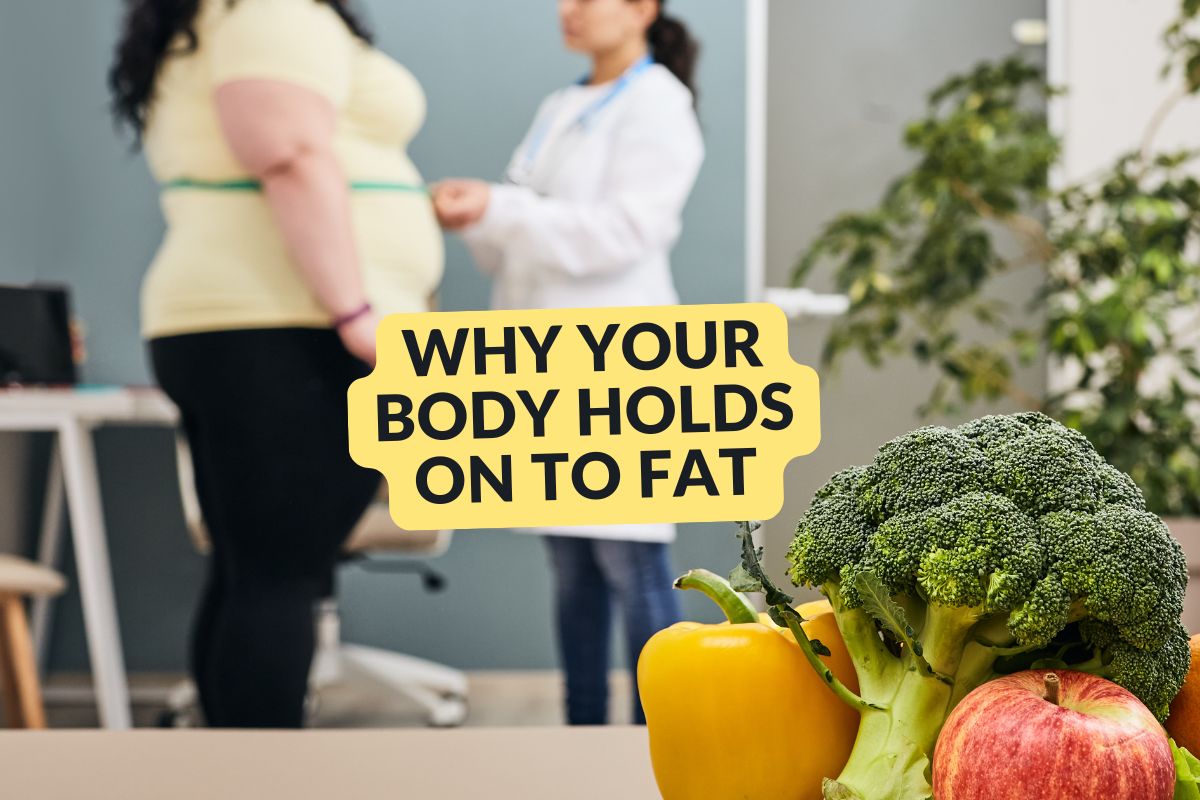
Have you ever felt like your body is hugging your fat like it’s a precious commodity? You count your calories, hit the gym, and vow to stop eating late at night, but the scale barely budges.
Meanwhile, another person claims he suddenly lost 20 pounds after “just quit drinking soda.”
If you are told Just eat less and move more.probably ready to scream. You are already in a calorie deficit and even though you are doing everything by the book, your body refuses to cooperate. It’s like the fat guy didn’t get the memo he was supposed to take. leave.
The important thing to remember here is that your body is not a simple mathematical equation. Not all calories are the same. Also, losing fat doesn’t just mean burning more than you eat.
Stress, sleep, hormones, and gut health all have a huge impact on how your body retains and excretes fat. And if any one of these is abnormal, your body may decide it’s better to keep fat. for your own benefit.
Some of the biggest hidden factors that make fat loss difficult include:
- chronic stress and high cortisolwhich signals the body to store fat.
- inflammationmetabolism slows down.
- insulin resistancekeeps the body in fat storage mode.
- hormonal imbalanceespecially as we get older.
- lack of sleepdisrupts hunger and fat-burning hormones.
- gut health issuesaffects how the body processes food.
- nutritional deficienciesmetabolism and energy levels decrease.
- overtraining and overeatingwhich puts stress on the body and causes it to accumulate fat.
If any of these sound familiar, you’re not imagining it. Fat loss is more than just calories.
Keep reading as we dig into each of these factors and how to fix them so your body stops holding on to fat like it’ll never let go.
This post may contain affiliate links. This helps us keep this content free. Please read it See disclosure for details.
Chronic stress and high cortisol
Stress is not only an annoying part of life, but also a nightmare that causes fat storage. Your body is hardwired to survive, and when stress levels remain high, it responds by releasing more cortisol, the “fight or flight” hormone.
Cortisol helps us stay alert and cope with challenges, albeit in the short term. But when you’re high for too long, it signals your body to store fat, especially around your abdomen.
High cortisol doesn’t just affect fat storage. It also increases cravings for sugar and processed carbohydrates, making it easier to overeat and making it harder to stick to healthy choices. Chronic stress can cause insulin resistance over time, which means your body can’t utilize carbohydrates properly and stores more of them as fat.
If you’re constantly stressed, struggling with belly fat, and struggling with stubborn weight that won’t come off no matter what you do, cortisol may be to blame.
what to do about it
✔ Make sleep and relaxation a priority. Aim for 7 to 9 hours of quality sleep each night. Lack of sleep increases cortisol and worsens appetite. Set a bedtime routine, limit screen time before bed, and keep your bedroom cool and dark.
✔ Get outside and move. Gentle movements like walking, yoga, and stretching can lower cortisol levels without putting additional stress on your body. Bonus points if you do it outside! Sunlight and fresh air help regulate stress hormones.
✔ Try magnesium, ashwagandha, or other adaptogens. Magnesium helps relax the nervous system, and adaptogens like ashwagandha and rhodiola support resilience from stress and help restore cortisol to normal levels.
✔ Avoid excessive caffeine and late-night scrolling. Consuming too much caffeine, especially in the afternoon or evening, can increase cortisol levels. Replace your leftover coffee with herbal tea or decaf in the afternoon. Blue light from screens also disrupts sleep and increases stress hormones, so make sure to set aside at least 30 to 60 minutes of screen-free time before bed.
✔ Do something fun. Laughter and fun activities can help lower cortisol naturally. Make space for the things that bring you joy, whether it’s a hobby, watching a funny show, or spending time with loved ones.
Reducing stress won’t happen overnight, but small changes add up. The goal is not to eliminate stress completely (because that’s impossible), but to manage stress in a way that allows your body to feel safe and release stored fat.
Related article: Is cortisol detox necessary?
unstoppable inflammation
Inflammation is more than just joint pain or post-workout pain. This is your body’s natural defense system, designed to protect you from infection and injury. However, if inflammation persists over a long period of time, it becomes a major obstacle to fat loss.
Chronic inflammation tells your body that something is going on. offso it goes into a protective mode by slowing down its metabolism, making fat loss difficult, and increasing fat storage as a survival response. High inflammation levels also cause insulin resistance, which makes it easier to store fat and make it harder to burn it.
How do you know if inflammation is the problem? Signs include bloating, swelling, water retention, stubborn fat that doesn’t move, brain fog, and constant fatigue.
If you feel irritated no matter what you eat or how much you exercise, your body may be in a low-grade chronic state of inflammation.
what to do about it
✔ Eat more anti-inflammatory foods. Focus on whole foods that help fight inflammation, such as salmon, sardines, avocados, berries, dark leafy greens, turmeric, ginger, and extra virgin olive oil. These foods contain antioxidants and healthy fats that help calm inflammation.
✔ Avoid ultra-processed foods and seed oils. Processed foods full of refined sugar, artificial additives, and inflammatory oils (such as soybean, canola, and corn oil) can cause inflammation and make fat loss difficult. Stick to real, whole foods as much as possible.
✔ Get enough omega-3. Omega-3 fatty acids help balance inflammation, but most people don’t get enough of them. Natural fatty fish (such as salmon and sardines) are the best source, but if you don’t eat fish regularly, consider a high-quality fish oil supplement.
✔ Supports intestinal health. Inflammation often begins in the gut, so it’s important to keep your digestive system healthy. Eat probiotic-rich foods like yogurt, kefir, kimchi, and sauerkraut, and include prebiotic foods (like garlic, onions, and asparagus) that feed your good bacteria.
✔ Prioritize sleep and stress management. Even just one bad night can accelerate inflammation, so prioritize getting 7 to 9 hours of quality sleep each night. Manage stress with activities like walking, meditation, deep breathing, and be careful not to overtrain. Too much high-intensity exercise can actually increase stress hormones and increase inflammation levels.
Reducing inflammation not only helps reduce fat, but also improves overall body function. The more you support your body with anti-inflammatory foods and lifestyle habits, the easier it will be to burn fat and feel better.
Blocking fat burning due to insulin resistance
if you feel that way everytime If you’re hungry, constantly craving carbohydrates, and struggling with stubborn belly fat, insulin resistance may be part of the problem. Insulin is a hormone that helps move sugar from the bloodstream into cells for energy.
But often, when insulin levels remain high due to eating too many refined carbohydrates, frequent snacking, or high stress, the body becomes less responsive. Instead of burning stored fat for fuel, it stays in fat storage mode.
Insulin resistance doesn’t just make fat loss difficult. It also causes low energy, increased cravings, and feelings of hunger soon after eating.
If you often crave sweets after meals or suffer from an afternoon slump, your body may not be processing carbohydrates efficiently.
what to do about it
✔ Balance your diet with protein, healthy fats, and fiber. These nutrients help reduce blood sugar spikes and keep insulin levels steady. Prioritize whole, unprocessed foods such as lean meats, eggs, avocados, nuts, and non-starchy vegetables.
✔ Do strength training to improve insulin sensitivity. Weightlifting and resistance exercise allow your muscles to use glucose more efficiently, reducing insulin resistance over time. Even short strength training sessions a few times a week can make a big difference.
✔ Avoid snacking throughout the day. Eating frequently keeps insulin levels elevated, making it harder for your body to switch into fat-burning mode. Take breaks between meals and consider intermittent fasting if it helps.
✔ Reduce processed carbohydrates and added sugars. Instead of refined grains and sugary snacks, choose whole, fiber-rich options like vegetables, berries, and high-quality protein sources. Keeping blood sugar levels stable helps prevent insulin spikes.
When insulin resistance improves, your body’s ability to burn fat instead of storing it increases significantly, and your appetite begins to decrease.
Hormone imbalance (especially in women over 40)
Hormones control everything from metabolism to fat storage, but they don’t always work as well as we get older. If your body is out of balance, it will be very difficult to lose fat no matter how much you eat or how much you exercise.
Estrogen dominance is a big problem for many women over 40. When you have too much estrogen compared to progesterone, fat tends to be deposited in your hips, thighs, and lower abdomen. It can also cause bloating, water retention, and stubborn weight gain that doesn’t respond to normal diet and exercise.
At the same time, low progesterone increases stress, anxiety, and nervousness at night, making it difficult to sleep (which only makes fat loss even more difficult).
Next is the thyroid gland, which controls metabolism. When your body becomes less active, whether due to nutritional deficiencies, stress, or menopause, everything slows down, and no matter how hard you try, it feels like the scales aren’t moving.
Low thyroid function can also cause fatigue, brain fog, and dry skin, so if your fat loss has plateaued, and If you feel unwell, your thyroid may be part of the problem.
what to do about it
✔ Get your hormone levels checked. You won’t know what the problem is until you test it. A complete panel of estrogen, progesterone, testosterone, cortisol, and thyroid function (including T3, T4, and TSH) gives you a clear picture.
✔ Eat a nutritious diet that includes enough protein and healthy fats. Your body needs the right building blocks to keep your hormones balanced. Focus on high-quality protein, omega-3s, and hormone-supporting foods like eggs, avocados, and leafy greens.
✔ Supports the thyroid with iodine, selenium, and zinc. These nutrients are very important for thyroid function. Get it from foods like wild-caught fish, Brazil nuts, seaweed, and grass-fed beef, or if needed, through supplements.
✔ Manage your stress, because cortisol can throw everything out of balance. High cortisol destroys estrogen, progesterone, and thyroid hormones. Reduce stress with relaxation techniques, gentle movement, and consistent sleep.
✔ Consider hormone replacement therapy (HRT) if necessary. If you are in perimenopause or menopause and are suffering from symptoms, talk to your doctor about your options. When dietary and lifestyle changes are not enough, HRT can restore balance and facilitate fat loss.
Lack of sleep hinders metabolism
Not getting enough sleep? Your body not only gets tired, but it starts to affect you negatively. Sleep deprivation disrupts hunger and fat storage by increasing ghrelin (the hormone that makes you feel hungry) and decreasing leptin (the hormone that tells you you’re full). This means you’re more likely to overeat, have sugar cravings, and struggle with portion control.
Having even one bad night can cause your blood sugar levels to rise, leading to low energy and strong cravings the next day. Over time, lack of sleep causes cortisol levels to rise, slowing your metabolism and making fat loss seem impossible.
what to do about it
✔ Keep a consistent bedtime and wake-up time. Your body thrives on routine, but an irregular sleep schedule can throw off the hormones that regulate hunger and metabolism.
✔ Keep your bedroom dark and cool. A temperature of around 65°F (18°C) helps signal to your body that it’s time for a deep, restful sleep. Blackout curtains and white noise can also be helpful.
✔ Avoid looking at screens before bed, or at least use a blue light filter. Blue light from phones, tablets, and TVs interferes with melatonin production, making it difficult to fall asleep and stay asleep. Instead, try reading, stretching, or dimming the lights.
✔ Avoid caffeine in the afternoon. Caffeine lingers in your system for hours, so switch to decaf or herbal tea after lunch to avoid disrupting your sleep quality.
✔ Manage stress before bed. High cortisol levels make it difficult to relax. A short walk, deep breathing, or a calming pre-bedtime routine can help signal to your body that it’s time to relax.
Gut health issues affect fat storage
If your gut isn’t happy, it’s more difficult to lose fat. The gut microbiome plays a major role in digestion, metabolism, and even hormone regulation.
An imbalance between good and bad bacteria can cause inflammation, slow fat burning, and increase cravings, especially for sugar and processed foods.
Signs of poor gut health include bloating, irregular digestion, frequent food cravings, low energy, and even skin problems like acne and eczema. If you’re constantly feeling sluggish or struggling with digestion, your gut may need some extra support.
what to do about it
✔ Get more fiber from whole foods. Fiber feeds good bacteria and supports digestion. Eat plenty of vegetables, berries, flaxseeds, and nuts.
✔ Consume high-quality probiotics. Probiotics help restore intestinal balance and improve digestion. Look for one that contains multiple strains of beneficial bacteria.
✔ Avoid artificial sweeteners and processed foods. Many artificial ingredients destroy gut bacteria and cause bloating and appetite. Try to eat as many unprocessed, whole foods as possible.
Nutrient deficiencies slow fat loss
The body needs the right nutrients to burn fat efficiently. Deficiencies in magnesium, vitamin D, omega-3, and B vitamins can slow your metabolism, lower your energy levels, and make fat loss feel like an uphill battle. These nutrients play important roles in everything from hormone regulation to muscle recovery to insulin sensitivity, so a deficiency can stall your progress.
Low protein intake is also a big problem. If you’re not getting enough protein, your body may break down muscle instead of fat, slowing your metabolism even more. As you lose muscle, you burn fewer calories at rest, making fat loss even more difficult.
what to do about it
✔ Eat a balanced diet rich in whole foods. Focus on nutrient-dense foods like lean protein, healthy fats, fiber-rich vegetables, eggs, fatty fish, nuts, and leafy greens.
✔ Blood tests are done to check for deficiencies. Testing for vitamin D, iron, magnesium, and B vitamins can help determine what your body is deficient in.
✔ Please supplement as necessary. Many people are deficient in vitamin D and magnesium, which are essential for metabolism and energy production. Add high-quality versions to fill gaps as needed.
overtraining and overeating
Too much exercise and too little food sound Although it seems like a solid fat loss strategy, it can quickly backfire. Too much cardio, especially when you don’t have enough fuel, spikes cortisol, breaks down muscle, and makes it easier for your body to retain fat instead of burning it.
If you’re constantly tired, always hungry, or have trouble recovering from a workout, your body may be under too much stress.
Pushing yourself further when you’re already energy-depleted will only make fat loss more difficult by slowing your metabolism and increasing your cravings. Instead of burning fat, your body starts holding on to it to survive.
what to do about it
✔ Focus on strength training rather than excessive cardio. Weightlifting helps build muscle, increases metabolism, and supports fat loss over time. Replace endless cardio sessions with a combination of strength training and moderate exercise such as walking.
✔ Eat enough protein to support muscle growth. Protein is essential for recovery and muscle maintenance. Aim for at least 0.7 to 1 gram of protein per pound of body weight to keep your metabolism strong.
✔ Take your days off seriously. Recovery is just as important as training. To avoid burnout and excessive cortisol spikes, give your body time to repair by scheduling rest days and active recovery days (stretching, yoga, walking, etc.).
final thoughts
If you find it impossible to lose fat, your body may be holding on to it due to stress, hormones, inflammation, or other hidden factors. The solution is not to diet more or exercise more, but to work and It’s not against your body.
Looking back at all the recommendations above, one thing stands out: nutrition is important. A balanced, nutrient-dense diet plays a huge role in reducing inflammation, improving insulin sensitivity, balancing hormones, and supporting fat loss. But figuring out what to eat and how to stay consistent can be overwhelming.
That’s where the 21 Day Fat Loss Challenge comes into play. This program is designed to reset your metabolism, reduce inflammation, and help your body transition into fat-burning mode with simple, structured nutritional guidelines. If you’re tired of spinning around and need a plan that actually works, this challenge will help you get there.
Once small changes add up and your body starts to feel safe and balanced, it becomes much easier to get rid of stubborn fat. You’ll be amazed at what it can do if you give it the right support.