Butter Substitutes to Consider
These two additional butter substitutes are high in saturated fat, so if you want to make the heart-healthy switch, we recommend using one of the alternatives above.
coconut oil
Coconut oil gives it a fruity, tropical flavor and is loved by many, but it’s high in saturated fat, so it may not be the healthiest for your heart.
One tablespoon of coconut oil contains nearly 10g of saturated fat, which is more than butter and near the recommended limit.
Ghee
Ghee, or clarified butter, is becoming increasingly popular as a butter substitute because of its deep buttery taste and texture. Some people prefer butter to regular butter because it has a higher smoke point and is lower in lactose because the milk solids have been removed.
It’s not clear whether removing the milk solids makes ghee healthier than butter, Paulson said. “Ghee, which is a saturated fat, should be used sparingly, just like regular butter,” she says. One tablespoon of ghee contains 9 g of saturated fat, more than regular butter.
Spread that can be used in place of butter
According to Rasmussen, you can increase the nutrition in your diet by switching to these healthy foods.
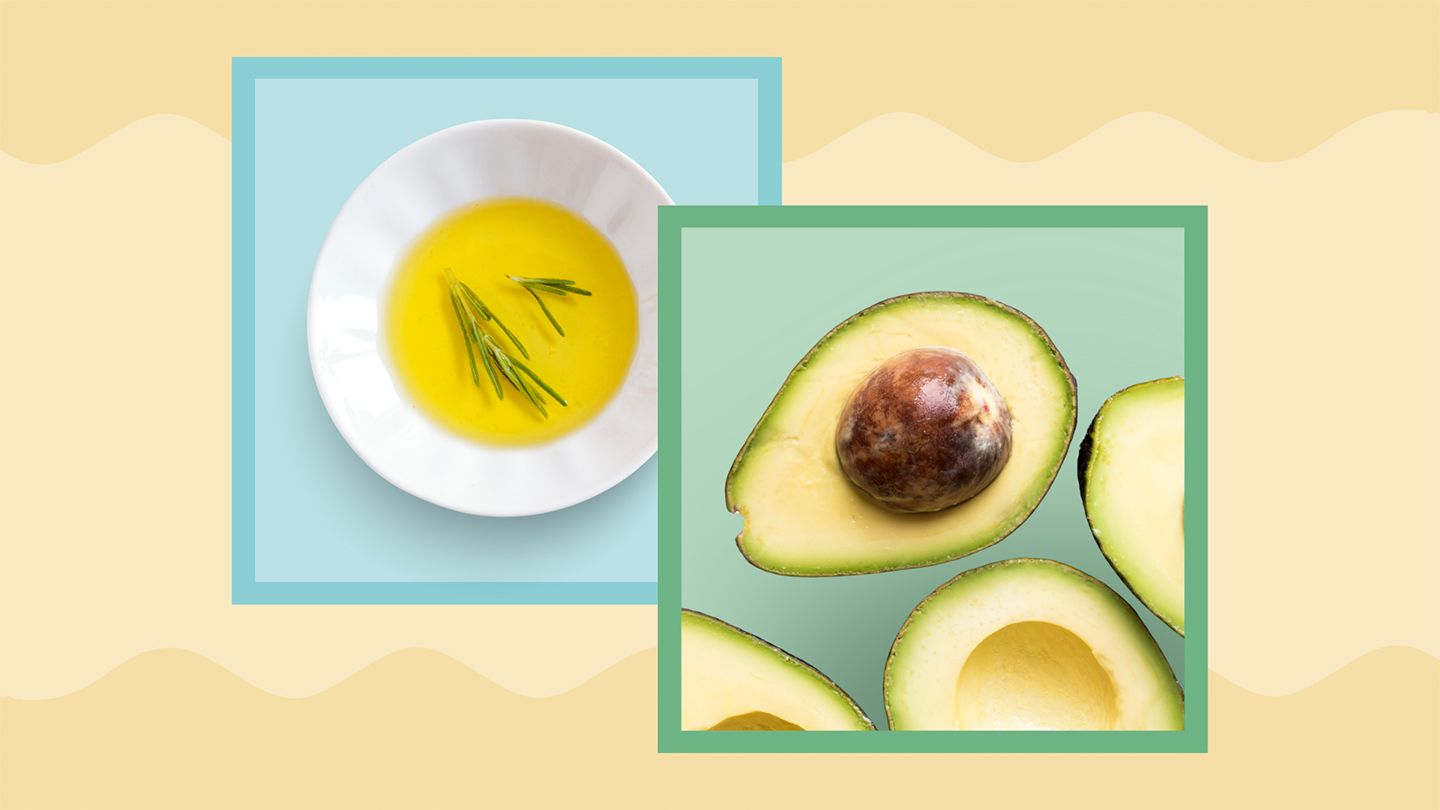
- avocado Rasmussen suggests mashing it with your favorite seasonings and olive oil to increase the creamy consistency.
- nut butter Peanut butter or almond butter are recommended, but consider unconventional options like cashew butter or pistachio butter. “I like to drizzle a little Manuka honey and (add) sliced strawberries or bananas,” Rasmussen says.
- ricotta cheese Rasmussen points out that milk or almond milk ricotta can be topped with fruit slices or tomatoes for both sweet and savory options. A quarter cup of ricotta cheese contains 169 mg of calcium, which is 17 percent of your daily intake.
- greek or icelandic yogurt If you choose the plain type, it has a tangy flavor similar to cream cheese, but is also rich. You can customize the flavor by mixing pumpkin puree with cinnamon, mashed bananas, mashed berries, etc.
If you’re looking for an alternative to store-bought butter to spread on toast or muffins, Snodgrass recommends choosing one that’s low in saturated fat and free of trans fat. She also suggests looking at sodium or salt content and total calories, especially if you’re aiming to reduce your overall calories.