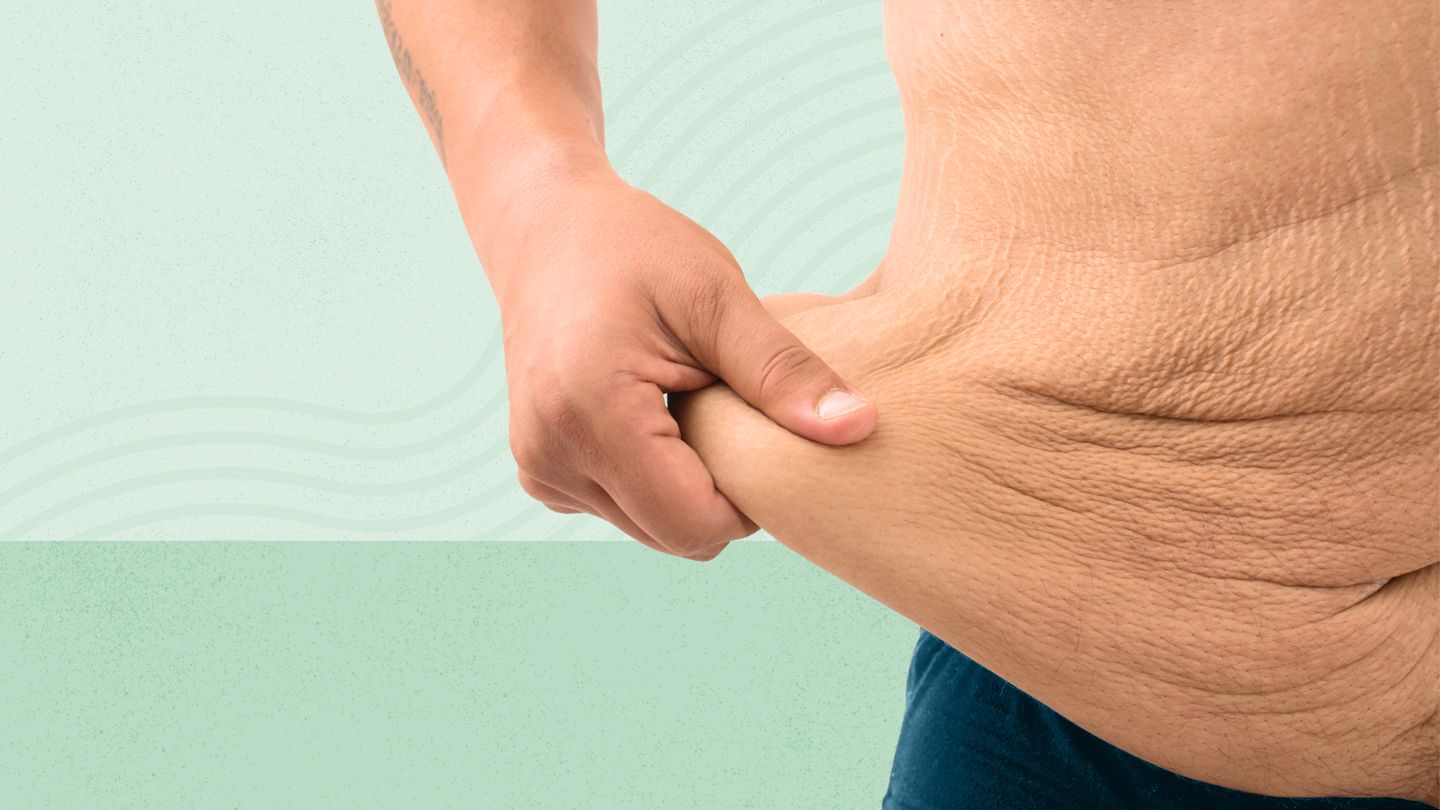
“Excess skin is a common concern after significant weight loss, whether it’s medication-induced weight loss, pregnancy-related weight loss, or weight loss achieved through diet and exercise,” says Dr. Sabrina Fabi, a dermatologist at Cosmetic Laser Dermatology in San Diego, California.
Here’s what experts say about the rarely-discussed physical effects of significant weight loss, and tips for dealing with them.
1. Excess skin looks different from person to person after weight loss
Carrying extra weight or carrying it for a long time can stretch your skin, making it weaker and less elastic. As a result, the skin may not return to its original shape and you may end up with excess skin after weight loss.
The amount of excess skin left behind after weight loss varies from person to person and depends on several factors, including the amount of weight loss, how quickly you lost weight, and body composition factors such as muscle mass.
“Skin is elastic, but it has a limit. When you carry extra weight on your body for a long period of time, the skin stretches and weakens the underlying support structures. If weight loss occurs faster than the skin can adapt, the skin may not be able to fully retract,” says Dr. Bass. “Long-term stretching changes the deeper collagen and connective tissue layers, so two patients who have lost the same amount of weight can have very different results.”
2. It may take longer for your skin to tighten than for you to lose weight.
As you adjust to your new weight, your skin will naturally tighten a little. Therefore, even after you see a change on the scale, you may still see a change in the appearance of your skin.
The degree of tightening depends on your body’s ability to produce important proteins that support connective tissue and provide structure for the skin.
With this in mind, anyone who experiences rapid weight loss (generally defined by some researchers as losing about 5 percent of their total body weight in a week) is likely to experience skin laxity in the process before tightening occurs again.
“Even in people who weren’t obese, rapid weight loss can overwhelm the skin’s ability to regenerate enough elastin fibers to allow it to contract as it once did,” Fabi says.
At some point, the skin stops tightening. Some older studies suggest that skin can reach its maximum natural firmness within a year of significant weight loss, based on skin biopsy results from 30 patients in their late 30s who lost, on average, about a third of their body weight.
3. The location of excess skin is somewhat predictable.
post–Weight loss typically results in noticeable excess skin in certain areas, such as the upper face, arms, abdomen, chest, and buttocks, but the exact location and extent of sagging skin varies from person to person.
Visually or physically, some areas can be more troublesome than others.
“The abdomen is often the most troublesome area, as it can sag or fold, affecting clothing choices and confidence. The arms and inner thighs are also often a concern, especially in warmer climates or if patients prefer to wear sleeveless clothing,” Bass says.
4. Exercise helps but does not remove excess skin
Exercises such as strength training and aerobic exercise can help tighten your skin.
Experts recommend prioritizing exercises that strengthen muscles and increase blood circulation. This can improve skin elasticity and make the skin appear firmer.
“Weight training and resistance exercise, in particular, have been shown to support healthier skin by promoting muscle tone and improving skin structure,” Fabi says. In other words, muscle growth can cause the skin to “puff up” from below, much like inflating a balloon, and that extra structural support results in smoother, plumper, and firmer skin.
Still, Bass says it’s important to have realistic expectations. There are clear limits to the amount of exercise that can improve skin structure and appearance.
“Exercise can’t get rid of excess skin, but it can make a noticeable difference in the way your body looks and feels,” he says.
5. Excess skin can cause practical problems beyond cosmetics
In some cases, Bass says, it’s more than just a cosmetic problem when excess skin causes irritation or interferes with daily life.
Additionally, feeling discomfort during exercise can hinder your long-lasting weight loss results, Bass says.
“Continued physical activity is important for maintaining weight loss and for our overall health and well-being,” says Bass. “When movement becomes uncomfortable, patients may become less active, which can make it difficult to maintain the progress they were trying to make.”
6. There are surgical and non-surgical treatment options.
There are several options that can help tighten excess skin for beauty, comfort, functionality, or all of the above.
Surgical treatment options include body contouring procedures that address specific areas such as the torso, legs, arms, and buttocks, and are most effective at removing excess skin, Bass said. “The procedure is tailored to each patient’s anatomy and concerns,” he says. “It can greatly improve comfort and confidence. Disadvantages include scarring, recovery time, cost, and the general risks of surgery.”
Keep in mind that the cost of surgical options may vary depending on factors such as where you live and the experience of your surgeon, and many health insurance plans do not cover costs after elective plastic surgery.–Weight loss.
Additionally, to protect your health and safety, it’s important to choose a licensed doctor you trust and feel comfortable entrusting with your cosmetic (or any) surgical procedure. A plastic surgeon’s certification can be verified through the American Board of Medical Specialties. This certification board designates clinicians who have met the specific training, experience, and expertise standards necessary to achieve certification and meet standards of patient care.
7. Feeling grateful for your body and your accomplishments can help.
Changes due to weight loss and the excess skin that comes with it can be an adjustment. Experts recommend focusing on celebrating your accomplishments instead of beating yourself up over the physical remains of your accomplishments.
“I tell my patients that extra skin is a sign of success,” says Bass, who suggests the following tips to ease discomfort along the way.
- wear supportive clothing
- Stay active in a comfortable way
- Talk openly with trusted sources about what you are experiencing
“The most important thing is for patients to be kind to themselves and celebrate their progress on the road to their healthiest self,” Bass says.
takeout
- Experiencing rapid or significant weight loss can cause loose or excess skin on certain areas of the body.
- The rate at which your skin shrinks is determined by its elasticity, which is influenced by factors such as genetics, age, and lifestyle.
- For more subtle results, non-surgical skin tightening options such as laser resurfacing and radiofrequency are available. Your health care provider may recommend a surgical skin removal procedure if larger changes are needed or if the excess skin is painful or interferes with your daily life.