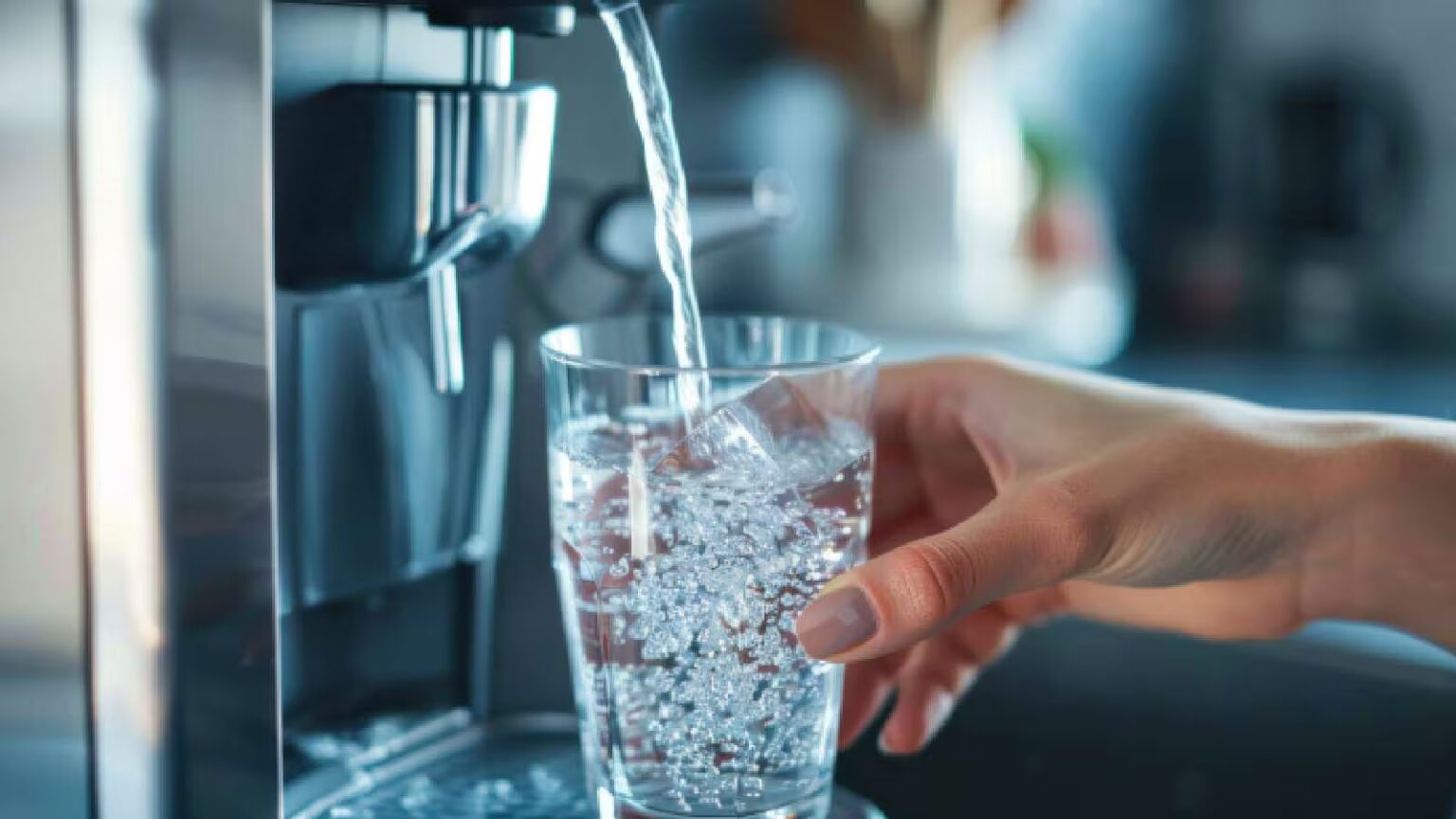
Keep your family safe with these 7 smart tips for water filter maintenance and waterborne disease prevention.
Water is essential to life, keeping us refreshed, hydrated, and supporting countless bodily functions. But what if the very sources that are supposed to nourish us are actually putting our health at risk? With waterborne illnesses becoming a pressing public health issue in India, it is more important than ever to ensure that water purification systems are working effectively. Contaminated groundwater and aging infrastructure plague many regions and pose serious health risks. Simply boiling water or relying on basic filtration is often not enough.
What are the 7 ways to clean water?
How can we be sure that our water filters are actually keeping us safe? Dr. Anil Kumar, Chief Water Scientist at Eureka Forbes, shares 7 important tips to protect your family’s health.
-
Know your water source
It is very important to understand the quality of the water you receive in your home. Is the water source groundwater, municipal water supplies, or tankers? Each source has its own set of potential contaminants, from dissolved chemicals to microbial impurities. Before investing in a water filter, evaluate your water profile. Knowing your specific threats will allow you to choose a purification system that directly addresses your needs. For example, if you live in an area with high TDS (total dissolved solids), you may need a reverse osmosis (RO) system. By choosing the right water source, you can better enjoy clean and safe drinking water.
2. Test the water quality
How confident are you that your water is safe? Annual testing takes the guesswork out of determining water quality. By evaluating key parameters such as TDS, nitrates, and the presence of microorganisms, you can obtain the data you need to select an effective septic system. Research shows that many households neglect to test their water, assuming that the water they receive is clean. Regular testing improves your defenses against waterborne diseases by allowing you to make choices based on evidence rather than assumptions. Knowledge is your best ally.
3. Select the appropriate purification technology
Navigating the water filter industry can feel overwhelming, especially when manufacturers promote different technologies. Here’s a quick breakdown:
- RO (Reverse Osmosis): Ideal for high TDS or dissolved chemical contaminants, it can filter out particulates such as heavy metals.
- UV (ultraviolet light): This technology is essential for protecting microorganisms because it uses ultraviolet light to neutralize harmful microorganisms such as bacteria and viruses.
- UF (Ultrafiltration): UF is ideal for cloudy or cloudy water and removes airborne particles and cysts without the need for electricity.
Always choose a certified system that has gone through rigorous testing to ensure compliance with safety standards. It is important to combine the right technology with your specific water needs to achieve optimal purification.

4. Maintain the purifier
Once you invest in a water filter, don’t think that’s it. Regular maintenance is essential for optimal performance. A clogged or expired filter will not only be less efficient, but it can also allow bacteria to grow and make your water purifier counterproductive. Be sure to follow the manufacturer’s guidelines for filter replacement and consider an Annual Maintenance Contract (AMC) for hassle-free maintenance. A study by IIT Madras found that certified filters consistently performed better than unbranded filters, highlighting the importance of tested and authentic components in water systems.
5. Store purified water safely
It may come as a surprise, but even purified water can be dangerous if stored incorrectly. For example, using unclean containers can introduce new contaminants. To ensure the safety of purified water, use a clean, covered bottle. Avoid direct hand contact when pouring, and disinfect dispensers and containers regularly. Maintaining hygiene is just as important as the refining process itself.
6. Keep water points clean
The performance of the water purifier is good, but what about the surrounding environment? Faucets, dispensers, and water filter outlets can accumulate bacteria and dirt over time. Prioritizing hygiene in these areas will help prevent recontamination of purified water. A quick wipe down with disinfectant can go a long way. Safe handling continues from purification to consumption.
7. Be aware of seasonal changes
Water quality does not remain constant. It varies depending on the season. For example, the risk of microbial contamination can increase significantly during the rainy season. Conversely, dissolved impurity levels can increase during dry months. By proactively performing seasonal checks, you can identify changes in water quality and perform timely maintenance and filter replacement. Don’t risk your family’s health by becoming complacent. Consistency is the key to an effective cleanse throughout the year.