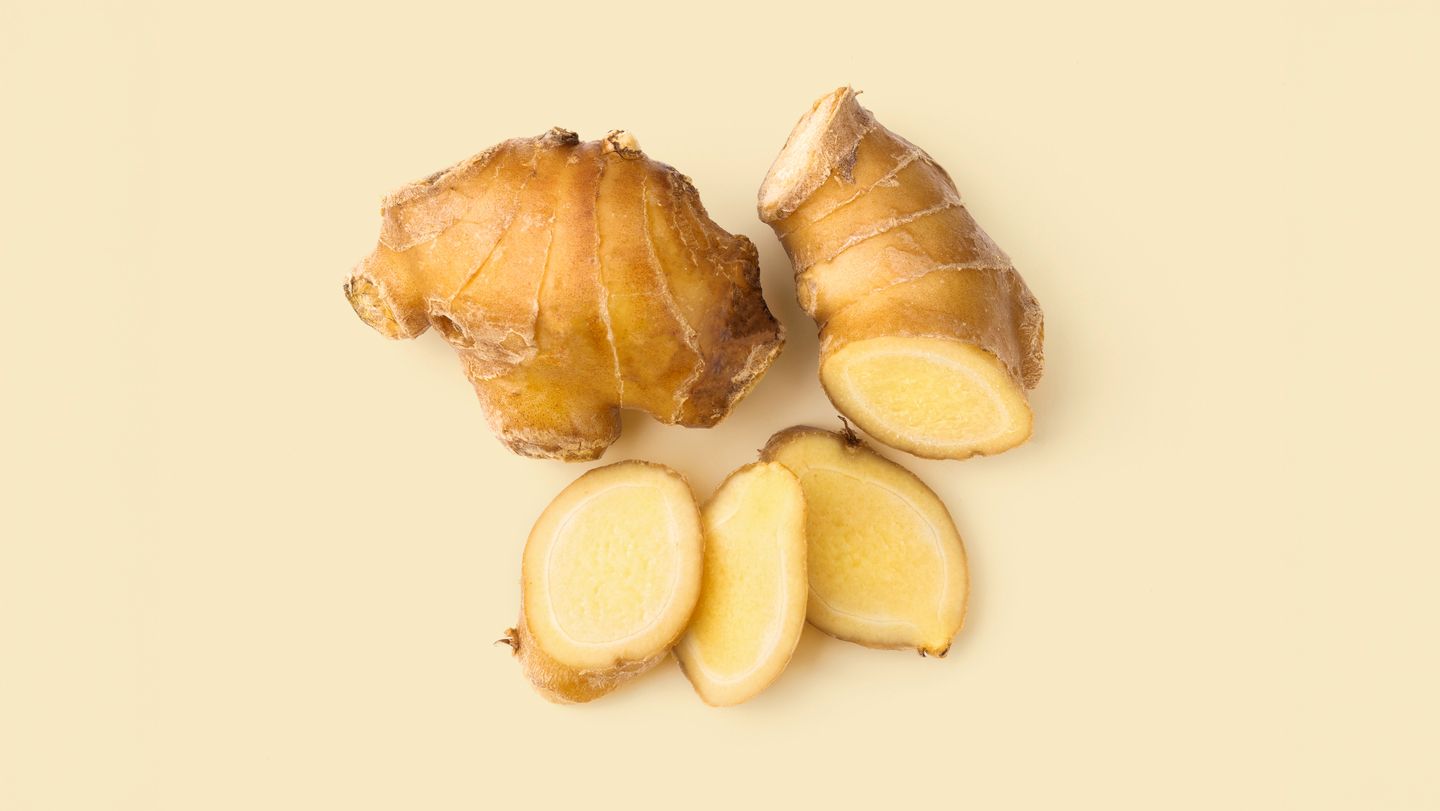
The value of including ginger in a diet for type 2 diabetes is unclear because of limited research, says Rahaf Al Bochi, RD, spokesperson for the Academy of Nutrition and Dietetics and owner of Olive Tree Nutrition in the Baltimore area. However, what is currently available suggests that this herb may have benefits in diabetes treatment plans.
But Al Bochi says the study was not without flaws. “All sample groups were very small, taken over several weeks, and all homogeneous based on one or two countries,” she says. Therefore, the studies the researchers analyzed did not provide enough information for experts to conclusively recommend ginger as an effective treatment for type 2 diabetes.
A 2015 study showed that ginger powder improved blood sugar control in Iranian adults with type 2 diabetes who were not taking insulin compared to a placebo group. Although this study was short-lived (only 3 months), it was double-blind, randomized, and controlled, suggesting a potential causal relationship between ginger and blood sugar management.
A more recent study looked at five studies in which people consumed 1.2 to 2 grams of ginger per day for four to 12 weeks. Two of the five studies showed that ginger intake lowered fasting blood glucose levels, but not HbA1C, in people with diabetes. Three other studies did not show statistically significant reductions in fasting blood glucose.
Although some of this research seems promising, it’s important to talk to your doctor to understand how ginger supplements may affect you and your diabetes treatment plan.