5 foods that can worsen menopause symptoms
Avoiding the following foods may reduce the severity of menopausal symptoms such as hot flashes, night sweats, and abdominal weight gain.
1. Ultra-processed foods
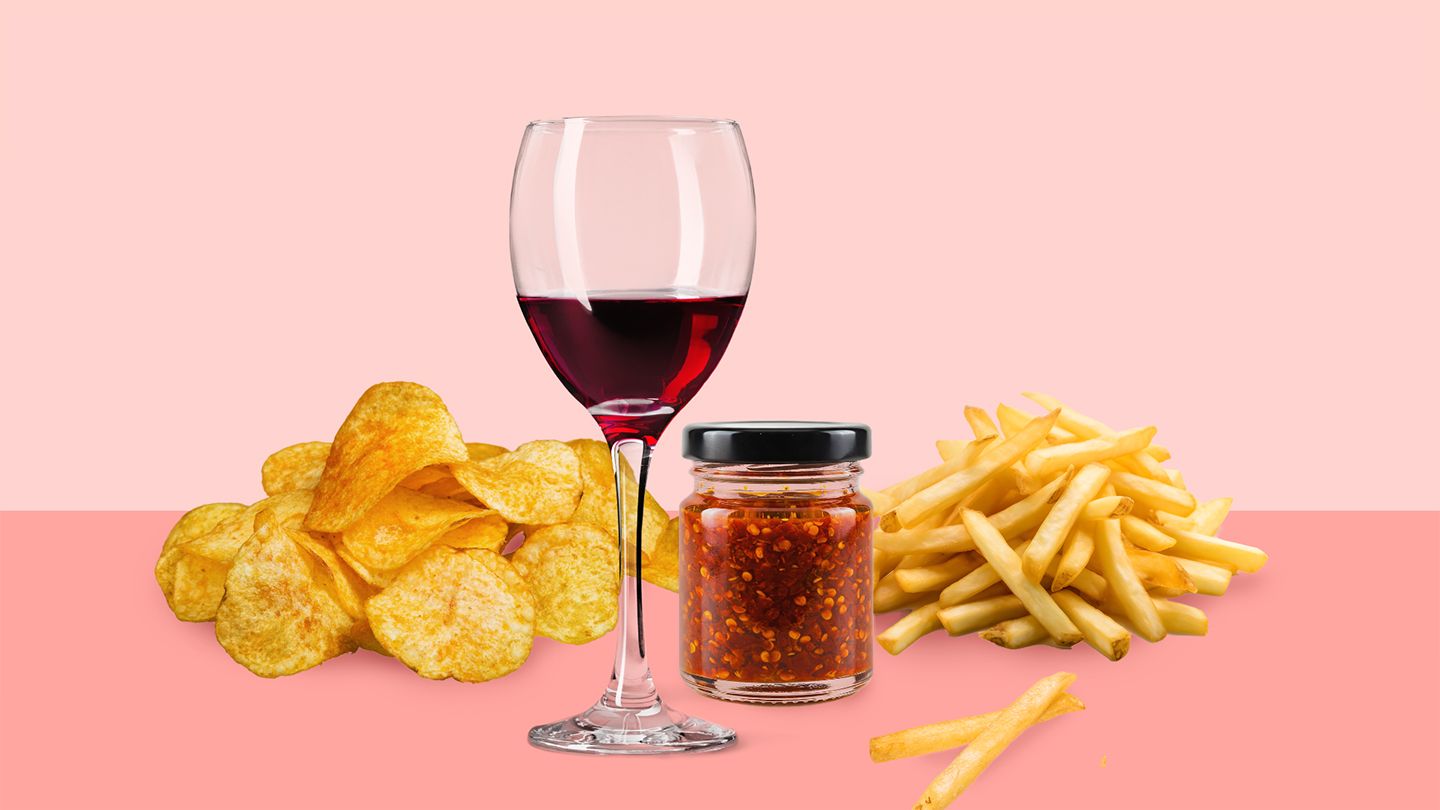
Foods that have been processed with added saturated fat, sodium, sugar and preservatives can cause water retention and bloating, says Jamieson-Petnick. This includes foods such as potato chips, frozen meals, packaged snacks, and breakfast bars.
If you’re craving a snack, try nutritious alternatives like string cheese, carrots dipped in hummus, or whole grain crackers with peanut butter. These can satisfy your hunger without increasing your chances of developing symptoms. Pairing protein with fiber-rich carbohydrates will also help you feel fuller.
2. Spicy food
Think twice before adding hot sauce to your dinner. Certain spicy foods can trigger menopausal symptoms such as sweating, facial flushing, and other hot flash symptoms. If you want to spice up a bland dish, Jamieson Petnick suggests limiting your use of chili peppers and chili oil. Instead, try sprinkling on spices that add flavor without adding heat, like cumin, curry, turmeric, or basil.
3. Fast food
Drive-thru restaurants are convenient, but their meals tend to be high in saturated fat and salt. A diet high in saturated fat can increase your risk of heart disease, and postmenopausal women are already at increased risk for heart disease.
“These foods tend to promote weight gain and can also worsen menopausal symptoms,” says Jamieson-Petnick.
Alternative? Freeze leftovers from home or pack them into lunch boxes for quick and nutritious food. If you must have a convenient fast-food lunch, choose options that contain lean protein and fiber, such as a grilled chicken sandwich on whole-grain bread, a salad, or a fruit cup.
4. Alcohol
Jamieson-Petnick says some women experience hot flashes more easily when they consume alcohol. Although research is mixed on whether alcohol worsens menopausal symptoms, studies have found that drinking even one drink a day is associated with an increased risk of breast cancer in premenopausal and postmenopausal women over the long term.
General guidelines recommend reducing alcohol intake to improve overall health. “I tell women to listen to their bodies,” Jamieson-Petnick says. “If alcohol worsens menopausal symptoms, you should try to avoid it.”
But for those who still want to indulge once in a while, Jamison Petnick recommends fruit-infused white wine spritzers, which have a lower alcohol content than most standard drinks. Certain beers and malt liquors tend to have lower alcohol content per drink compared to other hard drinks.
4. Fatty meat
In addition to being high in saturated fats, which can affect your heart and weight, research has also shown that high-fat diets can interfere with the normal functioning of the brain’s hypothalamus, suppressing the production of the feel-good hormone serotonin.
“When serotonin is low, we feel angry, moody, and irritable,” says Jamieson Petronick. Additionally, when estrogen drops during menopause, serotonin levels are also affected, which can worsen symptoms such as mood swings.
Instead of the fatty parts of red meat and bacon, choose leaner alternatives like chicken, turkey, and fish. Eating mostly plant-based foods (vegetables, fruits, whole grains) and healthy fats from nuts and seeds may also help reduce hot flashes and other menopausal symptoms.