We’ve all experienced that moment when we finally manage to reach the bathroom and immediately feel relief. Maybe you’ll be satisfied at least a little.
Defecation is an important process that keeps our digestive systems functioning, but it’s also one that most people avoid talking about, especially when it comes to how it feels. It’s not exactly a dinner table conversation.
The normal frequency of bowel movements varies widely. For most people, anywhere from three times a day to three times a week is considered normal, as long as you can defecate easily and comfortably. Healthy stools are usually somewhat soft, cracked, sausage-shaped or snake-shaped, and brown in color.
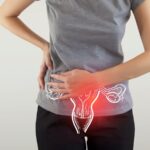
Defecation occurs through a coordinated process involving the digestive system, nervous system, and pelvic floor muscles. The colon acts as a muscular tube that squeezes stool and moves it forward until it reaches the rectum. Once the rectum is full, it stretches and sends a signal to the brain that it’s time to go. In response, the rectal muscles contract and the sphincter relaxes, allowing stool to pass. This process helps remove waste products, excess bacteria, bile acids, and water from the body and supports normal intestinal function.
These same systems also explain why, for many people, defecation often feels soothing and even pleasurable. Here are four reasons why poop feels good.
1. Stimulate the vagus nerve
If you feel a sense of calm and relaxation wash over you after going to the bathroom, thank your vagus nerve.
The vagus nerve has branches from the brainstem, one of which reaches the digestive tract and plays an important role in taste, mood, and muscle sensation.
These nerves are activated after a bowel movement, causing a pleasurable sensation that Dr. Sheth describes in his book as “poop syndrome.” “We feel a slight decrease in blood pressure and heart rate, as well as other sensory effects, which create a subtle feeling of relaxation and well-being,” he says.
But don’t overdo it, says Dr. Caroline Sojka, a gastroenterologist at Gastro Health in Jupiter, Florida. “Overstimulation (of the vagus nerve) from straining too much, holding your breath, or sitting for too long can cause dizziness and fainting.” And when you’re sitting on the toilet, that’s definitely not ideal.
2. Also activates the rest of the parasympathetic nervous system
Beyond the vagus nerve, poop acts on the broader parasympathetic nervous system (PSNS), which helps regulate many of our involuntary bodily functions.
The autonomic nervous system, the system that controls things like breathing, heart rate, and digestion, has two main branches: sympathetic and parasympathetic.
The sympathetic nervous system acts like a car’s gas pedal, triggering the fight-or-flight response when it senses danger, putting the body on high alert.
Conversely, the parasympathetic nervous system acts like a brake, calming the body and returning it to a state of “rest and digest,” Dr. Soika says.
It is normally turned on during defecation, relaxing the muscles that help control urination and bowel movements. It also sends energy to the organs that help digest food, allowing for faster digestion.
“Stress puts your body into fight-or-flight mode and slows down digestion. When you finally have a bowel movement, you need the opposite state of ‘rest and digest.’ When you finally have a bowel movement, your nervous system switches from stress mode to recovery mode, which is a huge relief,” she says.
However, in some conditions, such as irritable bowel syndrome (IBS), bowel movements are associated with an activated stress response.
Combined with the vagus nerve, which is a major part of the PSNS, activation of these nerves is an important reason why a bowel movement not only feels necessary, but actually feels good.
3. Reduces stress both mentally and physically
Fecal matter accumulates in the rectum before a bowel movement, causing pressure, bloating, gas, and sometimes abdominal discomfort. Clenching or straining to hold in your stool can cause tension, and some people find the difficulty of going to the bathroom stressful, Sheth says. But when you’re finally able to go outside, all the built-up tension is released and there’s a noticeable sense of relief, Soyka says. “When the rectum is empty, the pressure from the stretch is gone. The brain interprets this decrease in pressure as a feeling of relief,” she says.
Sheth compares it to holding in urine. “If you’ve ever had to hold in your urine for a long time because you couldn’t go to the bathroom, and then let it go, you know how it feels.”
For people with sensitive digestive systems, such as those with irritable bowel syndrome (IBS), this relief is even greater, reducing bloating, gas, and cramps.
4. Brings a sense of contentment and completeness
Defecation is a carefully regulated process that requires smooth coordination throughout the nervous system, colon, rectum, anal sphincter, and pelvic floor muscles. When everything comes together perfectly and your bowels are completely empty, it can trigger a strong feeling of satisfaction, says Sheth.
He says he feels like the problem is solved. “When your rectum is distended and you’re able to collapse it and completely expel it, it definitely provides a kind of sublime relaxation,” he says.
Sheth says he feels lighter on his feet, even if only temporarily. But not literally. Research shows that the average person produces about 1/4 pound, most of which is water.
takeout
- Defecation is a complex and coordinated process involving the digestive system, nervous system, and pelvic floor muscles, which help the body remove waste products.
- The act of defecating stimulates multiple brain and body pathways, including the vagus nerve and other parts of the parasympathetic nervous system, making you feel physically and mentally satisfied, calming, and reducing stress.
- Healthy bowel movements occur at most three times a day and at least three times a week. You should be able to defecate comfortably and without strain.