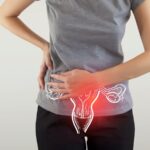
Farting is one of the body’s most common and necessary digestive processes. Gas is produced when intestinal bacteria digest the food we eat or as a result of swallowing air (aerophagy), and releasing gas is a normal part of keeping our digestive system comfortable and balanced. Most people pass gas as many as 23 times a day, but things like your diet, activity level, and overall gut health can affect how often you get gas.
Despite how common it is, many people find bloating embarrassing. Some people try to hold back. This can increase intra-abdominal pressure, cause bloating, and make digestion more uncomfortable than it should be. Passing out gas is an effective way to feel better while keeping your digestive system functioning smoothly.
That said, a sudden change in the amount or frequency of your farts, extreme bloating, persistent pain, or gas combined with symptoms such as diarrhea, weight loss, or bloody stools are signs you should check with your health care provider.
1. Farting may reduce bloating.
“The abdomen is a closed, sealed space, and when gas builds up, it’s like inflating a balloon inside a small box. That tight feeling is literally expanding your intestines,” says Dr. Leelasinjaron, also known as Dr. Lee.
That pressure builds up in your digestive tract, causing an uncomfortable bloating sensation that often gets worse as the day goes on. “Some patients show me pictures of themselves looking pregnant,” Lee says.
Passing gas releases some of the trapped air, relieving pressure on the intestines and, in some cases, can provide an almost “instant relief,” says Supriya Rao, M.D., a gastroenterologist and spokeswoman for the Lowell, Mass.-based American College of Gastroenterology.
As a result, farts can quickly deflate and become a way to get rid of bloat.
2. Gas may be a potential warning sign
Changes in bloating can also serve as an early clue to what’s going on in your gut, such as food intolerances or chronic health problems. “It’s the ‘canary in the coal mine’ that tells you that (something) has changed,” Lee said.
He says you need to be aware of the following phenomena:
- Fast transportation: If you move too quickly, you may experience symptoms such as gas with diarrhea. This is often due to malabsorption problems associated with celiac disease, lactose intolerance, fructose intolerance, irritable bowel syndrome with diarrhea (IBS-D), or infectious gastroenteritis.
- Slow transportation: When the intestines move food through the intestines too slowly, it leads to constipation. Basically, waste products stay in the body for a long time, causing abdominal discomfort. “This allows for more fermentation and more gas,” Lee says. In this case, irritable bowel syndrome with constipation (IBS-C), hypothyroidism (hypothyroidism), or even undiagnosed diabetes may be the cause.
- diet: Consuming too much fiber or fiber supplements can cause gas, says Lee. Other foods such as beans, cruciferous vegetables, and carbonated drinks can also increase bloating.
Dr. Rao says people with gluten sensitivities or small intestinal bacterial overgrowth (SIBO) may notice extra gas and bloating. “Increased gas, bloating, and a strong odor can be the first signs that something isn’t right,” she says.
Paying attention to these changes can help you identify potential problems. In that sense, farting may be an early warning system. Consult your doctor if any significant changes occur.
3. Flatulence provides instant stress relief
Trapped gas doesn’t just affect your intestines, it can affect how you feel throughout your body. “Feeling tightness or tightness in your abdomen can trigger your body’s stress response, which can make everything feel worse,” says Rao.
The passage of air can reduce feelings of stress and activate the parasympathetic nervous system, returning us to a state of “rest and digest.” You may feel your body relax and return to a calmer, calmer space, says Rao.
This is a little reminder that digestive health and stress regulation go hand in hand.
4. It can be a sign of healthy intestinal function
Gas is a natural byproduct of intestinal bacteria breaking down fiber and other nutrients, meaning farting is part of normal digestive function.
The trillions of bacteria that live in your gut thrive on a diverse diet rich in fiber, and fermentation is part of their function. “Gas is a byproduct of gut bacteria fermenting fiber and nutrients, so gas is often a sign that your microbiome is active and alive, which is a good thing,” says Lee.
If gas occurs with a noticeable change in your bowel habits, such as new or persistent diarrhea or constipation, or if it begins to interfere with your daily life, see a gastroenterologist to rule out any underlying problems, says Dr. Lee.
takeout
- Farting is a normal and necessary part of digestion, and most people pass gas multiple times a day because gas is produced when bacteria in your gut ferment and digest food.
- Flatulence helps relieve the physical discomfort caused by bloating and trapped gas.
- Sudden changes in the frequency of your body’s gas production, odor, or level of discomfort can alert you to conditions such as food intolerances, motility issues, or small intestinal bacterial overgrowth (SIBO).
- If symptoms related to passing gas recur or become confusing, talk to your health care provider.