The human digestive system is home to trillions of microbial cells that influence human physiology. The microorganisms in your gut play an important role in maintaining your body’s health.
It helps digest food, produce vitamins, regulate the immune system, and protect against harmful pathogens. Scientists have even suggested that your gut health may be directly related to your mental health.
An imbalance in your microbiome can lead to problems such as bloating, gas, constipation, diarrhea, inflammation, and even mood disorders.
Maintaining good gut health is the easiest way to maintain overall health. Here are 13 simple tips for a healthier, happier gut.
15 helpful tips for a healthier gut
Here are some of the most helpful tips for a healthier gut.
1. Eat more fiber
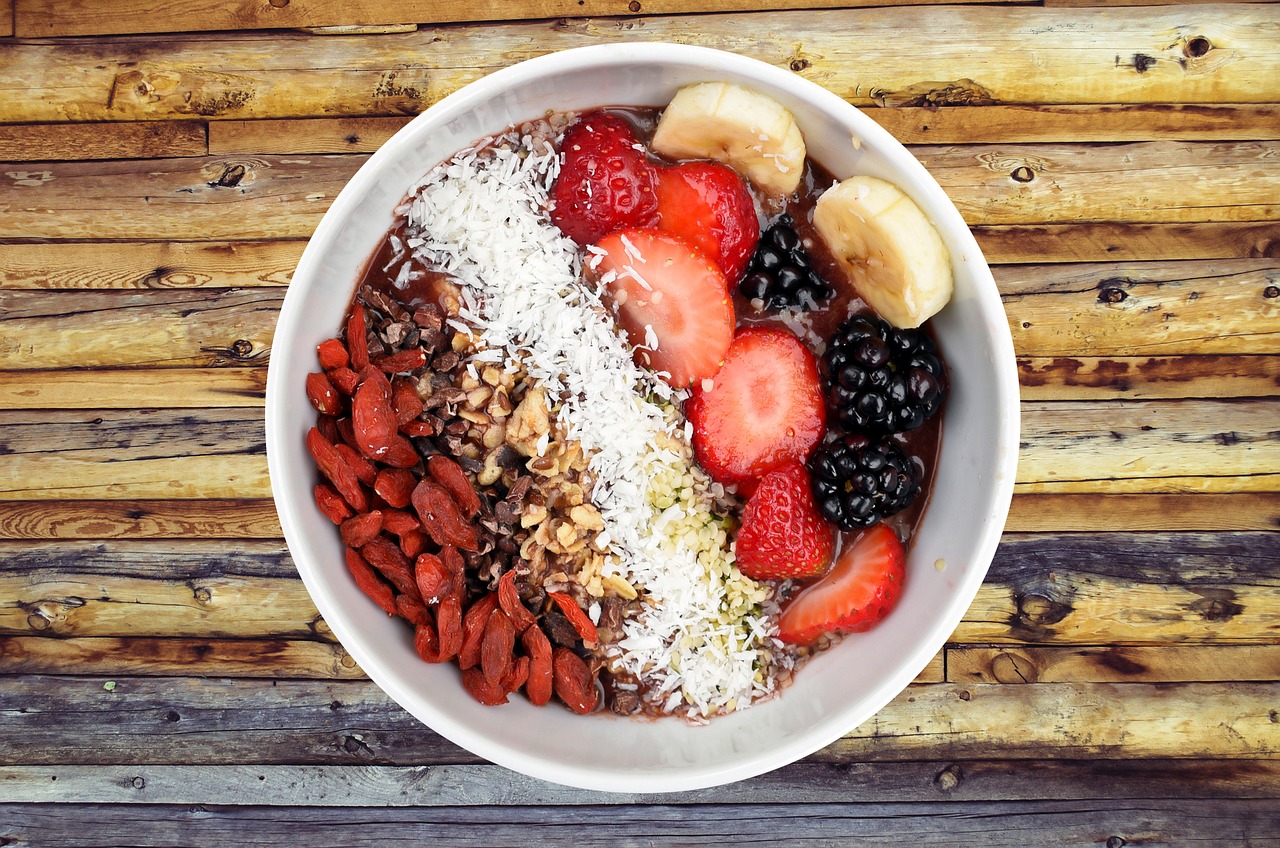
Eating more fiber is important to keep your gut healthy. Dietary fiber is like food for the good bacteria in your intestines. Foods such as fruits, vegetables, whole grains, nuts, seeds, and beans are rich in fiber.
Consuming fiber helps your gut bacteria produce beneficial substances that reduce inflammation and improve your metabolism. Fiber also increases poop volume, which helps prevent constipation. Doctors recommend aiming to consume at least 25 grams of fiber each day.
2. Avoid antibiotics
Antibiotics are life-saving drugs that kill harmful bacteria. However, in some cases, antibiotics can kill the good bacteria in your intestines, making you more susceptible to infections, allergies, and abdominal pain.
Take antibiotics only if prescribed by your doctor and be sure to finish the course as directed. Improper use of antibiotics can also increase antibiotic resistance.
3. Take prebiotics
Prebiotics can be thought of as nutrients for a healthy microbiome in the gut. Perhaps they are the easiest way to maintain a healthy gut.
Most prebiotics are easily tolerated and have no harmful side effects. prebiotic supplements etc. fiber mend It’s easily available on the internet and can be easily mixed with juices, smoothies, or even water to enjoy a healthy, nutritious drink at any time of the day.
Prebiotics can help with digestive issues such as irritable bowel syndrome, diarrhea, and ulcerative colitis. It also has the effect of increasing immunity and mood.
4. Take probiotics
Do not confuse with prebiotics. Probiotics are actual live bacteria that can replenish the intestinal flora and restore its diversity and function.
Probiotics can be found in foods such as yogurt, kefir, sauerkraut, kimchi, kombucha, and tempeh, or taken as a supplement.
Probiotics are especially helpful after antibiotics, which kill good and bad bacteria.
5. Eat fermented foods
These are foods that have been transformed by beneficial bacteria through a process called. fermentation.
Fermented foods contain not only probiotics, but also prebiotics, which contain healthy amounts of enzymes, vitamins, minerals, and antioxidants.
Examples of fermented foods include yogurt, kefir, sauerkraut, kimchi, kombucha, tempeh, miso, natto, and sourdough bread.
6. Limit sugar and processed foods
These are the perfect comfort food for everyone, including unfortunately bad gut bacteria themselves.
Sugary and processed foods usually don’t contain enough fiber and nutrients that are good for your gut.
The harm starts in the mouth, where sugar causes plaque and cavities. Eating too much sugar and processed foods can also lead to weight gain, diabetes, and heart disease.
7. Drink lots of water
Water is essential for gut health because it helps flush toxins and waste from the body.
It also moisturizes the mucous membranes that line the digestive tract and protects them from infections.
Water also softens stools and makes them easier to pass, preventing constipation and hemorrhoids.
If you exercise or live in a hot climate, aim to drink at least eight glasses of water each day.
8. Get enough sleep
get enough sleep It can help not only your intestines, but your entire body. Lack of sleep is associated with intestinal problems.
One reason for this could be that it takes your body 12 hours to digest a healthy meal. If you’re constantly awake and working, your body may not have time to properly digest your food.
9. Manage stress
Stress can alter the composition and function of gut bacteria, impairing gut health. It can also affect your digestion, causing cramps, cramps, nausea, diarrhea, and constipation.
Stress also weakens your immune system, making you more susceptible to infections and inflammation.
Practice relaxation techniques like meditation, yoga, and breathing exercises to manage stress.
10. Exercise
Even moderate amounts of exercise have been shown to improve gut health. No need to go to the gym. Even just a 30-minute walk outdoors in the beautiful sun can help boost your gut and provide extra vitamin D.
If you have a busy schedule and don’t have time, small habits can help you make positive changes.
You can increase your daily activities by taking the stairs instead of the elevator, walking to get something instead of asking someone to get it for you, and walking longer distances to get somewhere.
11. Quit smoking
Smoking not only harms your lungs, but it can also harm your intestines. Smoking can affect the intestinal flora and change its composition by increasing bad bacteria and decreasing good bacteria.
It can also disrupt the internal protective layer of the intestines and the acid-base balance within the intestines.
12. Chew your food thoroughly
It may sound simple, but chewing your food thoroughly and breaking it into smaller pieces makes it easier for your gut bacteria to digest your food.
When food takes longer to digest, it can cause gas, bloating, and even constipation.
13. See your doctor often
If you’re facing intestinal problems that are getting worse or not getting better, it’s worth seeing your general practitioner to see what’s wrong. Getting the right treatment at the right time is the best gift you can give your body.
14. Eat out less
Restaurant meals often hide things that are bad for your gut, such as extra salt, sugar, and artificial ingredients. When you cook at home, you control what goes into your food.
Try to eat out only once a week. This simple change will keep your gut bacteria healthy and reduce stomach problems.
Home-cooked meals are usually fresher and cleaner, so your digestive system prefers them.
15. Mix up your meals
Think of your gut bacteria as a garden. Different plants require different food to grow. Eating a lot of different foods feeds a wide variety of beneficial bacteria.
Try adding one new vegetable or fruit each week. Swap your usual cereal for something else. Your gut functions best when you eat a variety of plant foods, including beans, nuts, seeds, fruits, and vegetables of various colors.
This breed helps you build a strong intestine that resists disease better and makes your entire body feel better.
conclusion
If you really want to enjoy what you eat and drink, you better take care of your gut health and make sure things run smoothly. Acidity and pain can ruin your day. We hope these tips will help you understand how to care for your gut. Happy eating and healthy living!
Please follow and like: