Whether you have lofty athletic goals like achieving a marathon personal best, or want to be able to perform everyday functional tasks like climbing stairs efficiently and pain-free, you should incorporate gluteus minimus exercises into your training plan.
The gluteus minimus may be the smallest of the three major muscles in your butt, but don’t let its size fool you. The impact it has on the way you move is immeasurable. But the problem is, goals are hard to define and not everyone has “glute minimus training” on their list of fitness priorities.
To tone your butt, we’ve put together 11 of the best exercises for your gluteus minimus. But before we get to work, let’s learn about this humble but powerful muscle and why strengthening it is worth your time.
Benefits of gluteus minimus exercises
If you’re looking for a bigger butt, focusing solely on the gluteus minimus won’t give you the best results (that’s the gluteus maximus’ job). However, there are many other important benefits to regularly performing exercises that strengthen your small muscles.
1. Hip stability
The gluteus minimus, in conjunction with the gluteus medius, is responsible for hip abduction (moving the leg away from the midline of the body) and pelvic position.
The strong gluteus minimus stabilizes your lower back when you stand, shift your weight from one leg to the other, and move from point A to point B, such as when walking, running, or climbing.
2. Healthy way of walking
Related to hip stability is gait, or the way you walk. People with weak gluteus minimus often exhibit a Trendelenburg gait. Trendelenburg gait is when your pelvis tilts or sags with each step, causing you to wobble or drag as you walk.
Strengthening your hip abductors can help prevent (and potentially correct) abnormal movement patterns that are painful and often lead to injury.
3. Improved balance
Balance is extremely important to our health, and it becomes even more important as we age. According to the CDC, falls are the leading cause of injury-related deaths in adults age 65 and older.
Research shows that hip abductor muscle strength contributes to better balance control, allowing you to avoid falls, maneuver around obstacles, and literally avoid potential danger.
4. Improved athletic performance
Want to jump higher, sprint faster and accelerate faster? Strengthen your gluteal muscles. The largest muscle in the body, the gluteus maximus is the main source of strength in the lower body.
However, the gluteus minimus and medius have an important role in stabilizing your body, maintaining alignment, and working efficiently so you can channel all your energy into your athletic performance.
5. Fewer injuries
Chronic and recurrent injuries such as patellofemoral pain syndrome (knee pain) and ankle sprains are often associated with instability and misalignment due to gluteus muscle weakness.
For example, weak gluteus medius and minimus can cause your knees to slump inward, disrupting your body’s kinetic chain and putting too much pressure on your knee and ankle joints. Gluteus minimus exercises strengthen proper hip abduction and help prevent joint pain and injury.
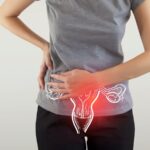
gluteus muscle anatomy
Gluteus minimus does not work in silo. This is part of a group of interconnected muscles that work to extend (straighten) the hip joint, stabilize the pelvis, and rotate the thigh.
gluteus maximus
If you know one muscle in your butt, it’s the glutes. It is the largest and most superficial of all buttocks and is primarily responsible for the shape and size of the buttocks. (All of the “more effective” workouts I’ve seen on social media primarily target the glutes.)
Beyond its aesthetic appeal, the gluteus maximus muscle also extends the hip joint and rotates the thigh. It begins in the pelvis and sacrum and inserts into the iliotibial tunnel (IT band) and the top of the femur.
gluteus medius
The gluteus medius, also known as the “lateral gluteus,” is a fan-shaped muscle responsible for abducting the leg and rotating the thigh. This is an important hip stabilizer and, when working optimally, keeps the pelvis in the proper position.
The gluteus medius muscle originates from the ilium (above the hip bone) and inserts into the top of the femur.
gluteus minimus
Below the gluteus medius is the gluteus minimus. The gluteus minimus works with the gluteus medius to abduct the leg, rotate the thigh, and stabilize the lower back and pelvis.
It also begins in the ilium and inserts into the femur.
biceps femoris
Although the biceps femoris is technically a hamstring muscle, it works with the glutes to extend the hip joint, rotate the thigh, and stabilize the lower back and pelvis. It also bends your knees and rotates the bottom of your legs when you bend them.
The biceps femoris muscle is located on the outermost side of the back of the thigh, starting from the pelvis and femur and attaching to the fibula in the lower leg.
semimembranosus muscle
The semimembranosus muscle is a hamstring muscle located on the inside of the thigh that helps bend the knee, extend the thigh, and rotate the thigh and lower leg.
It begins in the lower pelvis and attaches to the top of the lower leg bone, the tibia.
semitendinosus muscle
Semitendinitis can be found between the biceps femoris and semimembranosus muscles. Its function mirrors that of the semimembranosus muscle.
It also originates from the lower part of the pelvis and attaches to the tibia.
11 essential gluteus minimus exercises
Here are some of the most effective exercises to strengthen your gluteus minimus.
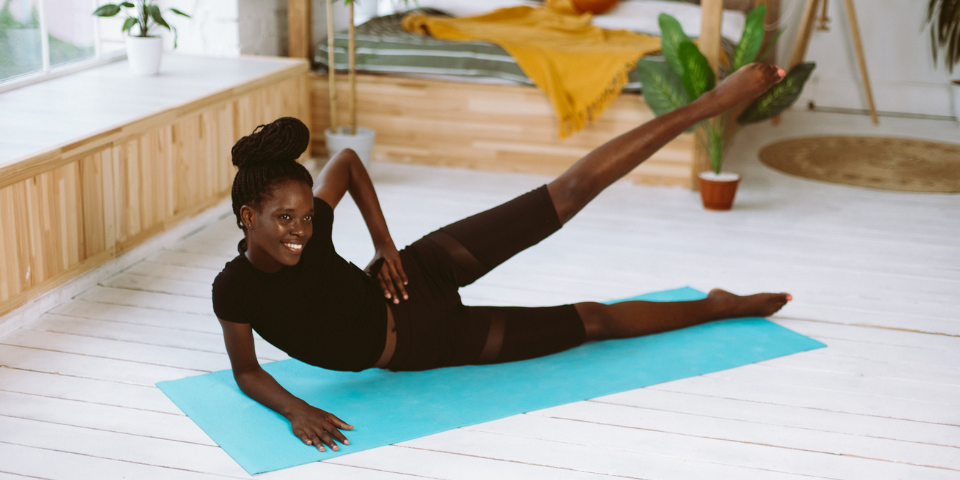
1. Side leg raises
- Support your upper body with your forearms and lie on your right side with your left leg straight and your right leg at a 90-degree angle.
- Keeping your core engaged, slowly lift your top leg until you feel your hips begin to tilt upwards.
- Pause and lower your top leg to the starting position. Once you’ve completed all your reps, switch sides and perform the same reps on both.
2. Fire hydrant
- Get on all fours with your hands under your shoulders and your knees under your hips. This is the starting position.
- Keeping your hips level and your core engaged (see below for more information), raise your right knee outward as high as possible and hold for 1 second.
- Lower your right leg and return to the starting position for a total of 15 repetitions. Then switch sides and repeat the sequence.
3. Clamshell
- Lie on your right side with your feet and hips stacked together, knees bent 90 degrees, and head resting on your right arm.
- Pull your knees toward your body until your feet are in line with your hips. Place your left hand on your left hip and avoid leaning back. This is the starting position.
- Engaging your abdominal muscles and keeping your feet together, raise your left knee as far as you can without rotating your hips or lifting your right knee off the floor.
- At the top of the movement, squeeze your glutes and hold for 1 second, then slowly lower your left knee to the starting position.
- Repeat 20 times in total, then repeat on the other side.
4. Side lunge
- Hold dumbbells at your sides and stand with your feet hip-width apart.
- Keeping your feet parallel and your core engaged, take a big step with your right foot to the right without bending your left knee.
- Keeping your left leg straight, chest up, and back flat, bend your right knee, sit back at the hips, and lower your body until your right thigh is parallel to the floor. The dumbbell should frame your right leg at the bottom of the movement.
- Reversing the movement returns you to the starting position.
- Repeat on the left side and continue alternating, performing the same repetition on each.
5. Bowing lunge
- Stand with your feet hip-width apart and your hands on your hips or dumbbells at your sides.
- Keeping your back flat and core engaged, step your left foot out behind your right foot and lower your hips until your right thigh is parallel to the floor. Your left knee should be 1 to 2 inches above the floor.
- Reversing the movement returns you to the starting position. Repeat this, then switch sides and repeat.
6. Striped Sidewalk
- Wrap a looped resistance band around your legs just above your knees and stand with your feet together.
- Keep your back flat, abdominal muscles engaged, hips pushed back, knees bent, and lower your body into a squat, shifting your weight toward your heels.
- While maintaining a squat, simultaneously raise your hips a few inches and step your right foot to the right, lowering your hips completely.
- Raise your hips a few inches again and bring your left and right feet together, then lower them all the way down, keeping tension on the band to keep your knees from caving in.
- Repeat on the other side, alternating sides. Perform the same repetitions on both sides.
7. Side plank hip lift
- Lie on your left side, prop up your left elbow and forearm, stack your shoulders over your elbows, stack your legs, and place a dumbbell over your right hip.
- Raise your hips so that your body forms a straight line from your head to your heels. This is the starting position.
- Keeping your core tight and your glutes engaged, slowly lower your left hip and tap the floor.
- Reverse the movement and return to the side plank position.
- Repeat this, then switch sides and do the same repetition.
8. Sumo squat
- Stand with your feet wider than your shoulders and your arms by your sides. Turn your feet slightly outward. This is the starting position.
- Keeping your chest up and core engaged, push your hips back, bend your knees, and lower your body until your thighs are at least parallel to the floor. When squatting, place your hands together in front of your chest.
- Pause and return to starting position.
9. Single leg deadlift
- Stand with your feet hip-width apart and hold a dumbbell at arm’s length, palms facing your body.
- Shift your weight to your left foot and lift your right foot a few inches off the floor behind you. This is the starting position.
- With your left leg slightly bent, your back flat, and your core engaged, press your hips back into a hinge position, lower your weight until your torso is almost parallel to the floor, and raise your right leg behind you. Keep your weight close to your body throughout the movement.
- Pause, then lower your right leg to return to a standing position. Perform the same repetitions on both sides.
10. Lateral step up
- Stand on your right side on a knee-height bench or box, holding dumbbells by your side at arm’s length, palms facing inward.
- Place your right foot in the center of the bench. This is the starting position.
- Keeping your chest up and core engaged, push your body up with your right leg until it’s straight (make sure your left foot doesn’t touch the bench).
- Pause, then lower your body back to the starting position. Perform the same repetitions on both sides.
11. Spiderman board
- Start in a forearm plank position with your elbows under your shoulders and your feet about hip-width apart. Engage your core, tighten your glutes, and make sure your neck is in line with your spine so that you form a straight line from your head to your heels.
- Keeping your hips as horizontal as possible, bend your right leg and bring your right knee as close to your right elbow as possible. Pause and return to plank position.
- Similarly, on the left side, raise your left knee to your left elbow.
- Continue alternating sides until all repetitions are completed.