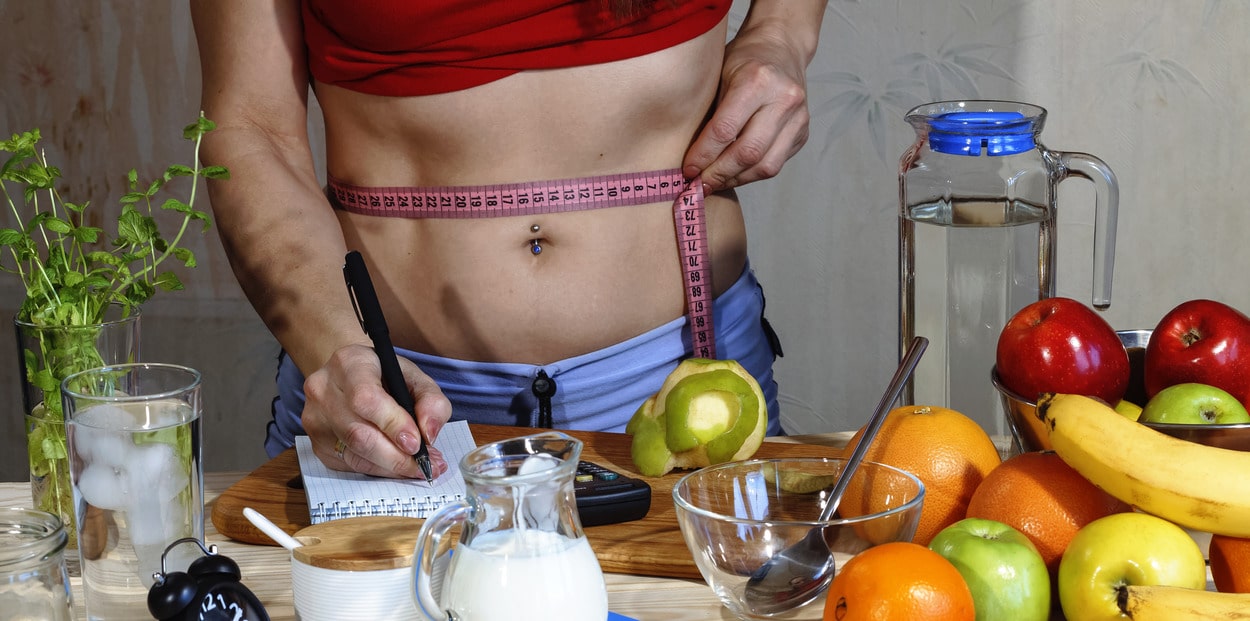
Losing 10kg in 15 days sounds appealing, but is it possible? Is it healthy and sustainable if someone claims so?
Image and appearance dominate our lives and set standards of beauty that are unattainable for many. There are healthy and safe ways to achieve weight loss. However, some people resort to extreme measures that can be harmful to their health. An example of this is the desire to lose 10 kg in just 15 days, which is an unrealistic and dangerous goal. Additionally, rapid weight loss is often associated with serious health risks such as nutritional deficiencies, dehydration, and muscle loss. Therefore, it is important to approach weight loss in a healthy and sustainable manner to avoid negative consequences and achieve long-term success.
Nutritionists and health experts recommend developing healthy eating and exercise habits to avoid overdoing it. It will only help you lose a few kilograms in a healthy way. However, achieving a weight loss goal of 10 kg in 15 days is almost impossible and requires drastic measures.
This article explains how to lose weight by following a sustainable diet plan. The idea is to incorporate exercise to improve your overall lifestyle and prevent unhealthy weight.
Losing 10 kg in 15 days: side effects and how to deal with them
Extreme weight loss of 10 kg in 15 days is a short-term weight loss strategy that focuses on restrictive, low-calorie intake. In most cases, you will gain back the weight you lost when you return to your normal diet. But on the other hand, there are also more sustainable long-term solutions that can help healthy adults lose 10 kg in 3-4 months.
The most common side effects of crash diets
hunger and craving
Reducing your calorie intake or not eating enough calories for long periods of time can make you feel hungrier. Research shows that people often experience hunger during the first few days of a diet plan. However, if you’re on a long-term crash diet, starvation can cause irritability and mood swings. Research also predicts the occurrence of depression. On the other hand, consistently adopting healthy eating patterns can help control extreme hunger.
A healthy diet includes eating a balanced diet, staying well hydrated, and reducing your calorie intake. Therefore, staying hydrated and consuming low-calorie, high-fiber foods are the best ways to stay full.
headache and lightheadedness
Research shows that people can experience headaches during the first few days of a crash diet plan. The study also found that hypoglycemia and caffeine withdrawal can cause headaches during long-term calorie restriction. Therefore, always stay hydrated and if you regularly use caffeine, gradually reduce your caffeine intake.
digestive system problems
Rapid dieting can cause digestive problems such as constipation, diarrhea, nausea, and bloating. These symptoms occur due to dietary changes, decreased food intake, and dehydration. Eating fiber-rich foods and staying hydrated can help prevent these side effects.
dehydration
Quick diets can lead to dehydration due to the natural diuretic and natriuretic effects of fasting. Diuresis and natriuresis are increases in urine and sodium excretion, respectively. Fasting can induce diuresis and natriuresis as the body attempts to conserve water and sodium. Dehydration can occur if fluids and electrolytes lost through urine are not replaced. Therefore, it is important to drink water and monitor the color of your urine throughout the day to prevent dehydration.
lack of energy and fatigue
It is important to note that in the early stages of a crash diet, the body can lose significant amounts of salt and water through urine. This can result in decreased caloric intake, dehydration, low sodium levels, and fatigue. To combat fatigue, prioritize nutritious foods, maintain adequate hydration levels, and get plenty of rest.
malnutrition
Improper diet can cause malnutrition. For example, prolonged fasting without providing the body with sufficient nutrients can lead to malnutrition. Therefore, it is essential to consume a balanced and nutritious diet when following a quick fat loss diet plan. Consult a nutritionist for information on calorie intake and appropriate nutrient amounts.
summary
Crash dieting can cause a variety of side effects, including hunger, headaches, digestive problems, dehydration, lack of energy, and malnutrition. However, these symptoms can be prevented by eating a balanced, nutritious diet and staying hydrated. Therefore, it is essential to consult a nutritionist to receive guidance on caloric intake and appropriate nutrient amounts.
15 Day Weight Loss Challenge Guide: An Effective Method
Losing weight rapidly can have negative effects on your health. However, even if you have a specific weight goal, you should not attempt to lose more than 2-3 kg in 15 days. Therefore, it is important to approach weight loss carefully and prioritize your health and safety.
Here are some general guidelines to help you aim to lose around 3 kg in 15 days.
create a calorie deficit
To lose weight, regulating your calorie intake and burning enough calories is essential. A good rule of thumb is to burn more calories than you consume. You can reduce your daily calorie intake and increase your physical activity level. However, if at any time you feel fatigued, stop strenuous exercise.
Eat a balanced and nutritious diet
Focus on consuming whole, nutritious foods such as lean proteins, vegetables, fruits, whole grains, and healthy fats. Avoid sweet foods, unhealthy fats, and empty calories. If you’re eating the wrong foods, eating less isn’t enough.
Control unit size
Please be careful about portion size and avoid eating too much. Eating small, balanced meals throughout the day can help manage hunger and prevent excess calorie intake.
stay hydrated
It is important to stay hydrated. Therefore, continue to drink plenty of water throughout the day. Helps in weight loss by promoting satiety and speeding up metabolism.
increase physical activity
Incorporate exercise into your daily life to burn more calories and increase your metabolism. Incorporate aerobic exercise (such as brisk walking, cycling, or swimming) and strength training (such as weightlifting or bodyweight training) to build muscle and burn more calories.
Limit processed and high-calorie foods
Avoid or limit your intake of processed and high-calorie foods, such as sugary drinks, desserts, fast foods, processed foods, and snacks, as they can contribute to weight gain.
get enough sleep
Adequate sleep is critical to weight management because it regulates hunger hormones and promotes overall health.
Seek expert guidance
If you’re considering a weight loss plan, it’s important to consult a nutritionist. A certified dietitian can help you make sure your diet is safe and appropriate for your health needs and circumstances.
summary
Remember that sustainable weight loss takes effort and time. Therefore, it is essential to prioritize your health and well-being. Additionally, rapid weight loss is not sustainable or safe in the long term, so it’s best to aim for gradual, healthy weight loss goals.
Choose a “doable” diet: a diet that works for you
It is important to choose a healthy diet plan that works for you. There are many crash diets that claim to solve all of our weight problems. But they are so extreme that they cause severe hunger, headaches, and fatigue.
It’s better to rely on salads, soups, fruits and vegetables, good fats like nuts and seeds, lean protein sources, and complex carbohydrates. Aim to lose 10 kg over 3-5 months and make lifestyle changes sustainable.
Change your lifestyle to lose weight healthily
smart snacking
One of the important aspects of losing weight is healthy snacking. You can prevent overeating during meals. Smart snacking means choosing low-calorie, nutritious foods that will keep you satisfied between snacks. Good options include fruit, baby carrots, cucumbers, unsalted nuts (limited quantities), half a cup of plain yogurt, homemade vegetable chips with yogurt dip, and green tea. These foods will help you feel full and nourished while keeping the calorie count low. Avoid high-calorie snacks such as potato chips and candy.
Choose sustainable diets over quick diets
Quick diets are a short-term solution to losing weight. Most crash diets have a specific time period, such as 2 days or 7 days. It is important to adhere to this period and not extend it beyond the recommended period. Be careful not to overload your body with low-calorie meals. If you want to lose weight, we recommend consulting a nutritionist to create a personalized meal plan.
do not consume alcohol
Alcohol turns into sugar and is stored as fat. Additionally, consuming alcohol while dieting can disrupt the balance of blood sugar levels in your body. Therefore, it is best to avoid alcohol while losing weight.
incorporate regular exercise
Light stretching and yoga are great options to start your weight loss journey. Then, gradually build up your stamina by incorporating strength training and more strenuous exercise.
Drinking water containing rehydration salts
Finally, when you’re on a weight loss journey, it’s essential to stay hydrated. That means drinking water frequently throughout the day. Additionally, consider adding rehydration salts to your water as needed to keep electrolytes balanced. You can also include coconut water, chaas, and fruits in your daily diet. It helps your body stay well hydrated.
summary
Crash diets can help you lose weight quickly, but they are not sustainable in the long term. In extreme cases, it can cause serious health problems. Therefore, it is important to choose a viable diet plan, cut down on white sugar, snack wisely and within limited time frames, incorporate exercise, and drink water. Finally, consult a medical professional before embarking on any crash diet plan.
healthy recipes for healthy weight loss
Here are three healthy recipes you can incorporate into your weight loss challenge.
oats idli
Calorie value of oats (idle) – 30 Kcal
material
- Oats: 1 cup
- Semolina flour (rava): 1 cup
- Plain yogurt: 1 cup
- Grated carrot: 1
- Chopped coriander: 1/2 cup
- Ginger paste: 1 teaspoon
- Mustard seeds: 1 teaspoon
- Cumin seeds: 1 teaspoon
- Baking soda: 1 teaspoon
- Salty as you like
Preparation method
- Combine oats, semolina, yogurt, and grated carrot in a bowl.
- Add water and mix well to form a dough.
- Leave it for 10-15 minutes.
- Heat some oil in a pot. Then add mustard seeds and cumin seeds. Once it splutters, add the ginger paste and chopped coriander.
- Then add the tempering to the dough and mix well.
- Add salt and baking soda and mix well.
- Grease the idli mold and pour the batter into it.
- Steam for 15-20 minutes and it’s ready.
- Serve warm with chutney.
Mundarchila
Calories in Moong Dalchira – 128 Kcal
material
- Moong Dal: 1 cup
- Onion, chopped: 1 cup
- Green chilli (chopped): 1
- Ginger paste: 1 teaspoon
- Cumin powder: 1 teaspoon
- Salty as you like
- Oil: 1 teaspoon
Preparation method
- Soak the moong dal in water for 2-3 hours and grind it to a paste.
- Add chopped onions, green chillies, ginger paste, cumin powder and salt to make a paste and mix well.
- Heat a non-stick frying pan and brush a little oil on it.
- Pour a ladleful of batter into the pot.
- Spread evenly in a circular motion and cook until golden brown on both sides.
vegetable upma
Calories in a small bowl of upma – 130 Kcal
material
- Semolina flour (rava/suji): 1 cup
- Onion, chopped: 1 piece
- Finely chopped tomato: 1 piece
- Carrot (chopped): 1
- Green peas: 1/2 cup
- Green chilli (chopped): 1
- Mustard seeds: 1 teaspoon
- Urad dal: 1 teaspoon
- Oil: 1 tablespoon
- Salty as you like
Preparation method
- Heat oil in a pan and add mustard seeds and urad dal.
- Once it splutters, add chopped onions and green chillies and fry for 1 minute.
- Add chopped tomatoes, carrots and green peas and cook for 2-3 minutes.
- Add 2 cups of water and season with salt.
- Then bring to a boil.
- Add semolina flour and mix well until the water evaporates.
- Cover the pot and cook for 5-7 minutes.
Other healthy foods for weight loss diet
masala oats
Cook the oats with vegetables such as onions, tomatoes, and carrots, and spices such as turmeric, red chili pepper, and cumin. Perfect for a healthy breakfast. Calories are approximately 150Kcal per 100g.
vegetable dahlia
Dahlia is a crushed wheat that is rich in fiber and protein. Add vegetables like carrots, peas, and beans for a healthy and hearty meal. Adding grated paneer makes it even more nutritious.
sprout salad
Sprouts are nutritious and low in calories. A salad with sprouts, vegetables and a little lemon juice makes a perfect low-calorie meal.
egg bourji
Egg bhurji is a popular Indian dish made with scrambled eggs. Made healthy by minimizing oil and seasonings.
grilled fish masala
Marinate the fish with spices like cumin, coriander, turmeric, and red chili powder. Grilling them instead of frying them makes them healthier.
mofobond suggestions
In exceptional cases, it is safe to go on a 1-2 day crash diet if recommended by your doctor or health care professional. However, if continued for a long time without professional supervision, it can lead to health complications. It’s also important to note that crash dieting can lead to short-term weight loss. However, this is unsustainable weight loss and you may regain the weight when you return to your normal eating habits. Therefore, it is best to look for sustainable and long-term solutions for weight loss.
last word
With the right diet and lifestyle modifications, it is possible to reach your weight loss goals in a healthy and fast manner. It is important to follow healthy eating and exercise habits that are sustainable in the long term. On the other hand, relying on quick diets can lead to nutritional deficiencies and side effects. Instead, choose a doable diet plan, cut down on refined sugar, stay hydrated, get plenty of rest, and reach your weight loss goals effectively and healthily. Finally, always remember to prioritize health and safety above all else.
Disclaimer: The purpose of this article is only to spread knowledge and raise awareness. It is not a substitute for professional medical advice.
Frequently asked questions (FAQ)
Q. Is it safe to lose 10kg in just 15 days?
Losing 10 kg in 15 days is a dangerous goal. Rapid weight loss can lead to muscle loss and nutritional deficiencies. Additionally, other health problems may occur, such as fatigue, dizziness, and dehydration. Therefore, resorting to such extreme measures is strongly discouraged.
Q. What type of diet should I follow to achieve this weight loss goal?
Diet for weight loss depends on your needs and preferences. A balanced diet should include fruits, vegetables, lean proteins, and whole grains. Crash diets and fad diets are harmful because they severely restrict calories and food groups.
Q. How many calories should I eat per day on this diet plan?
Daily calorie intake for weight loss depends on your age, gender, weight, height, and activity level. A safe and stable weight loss rate is approximately 0.5 to 1 kg per week. A calorie deficit of 500-1000 calories per day is required. A health care professional or registered dietitian can help you determine your daily calorie requirements and create a customized meal plan for you.
Q. Is it okay to exercise while following this diet plan?
While following this diet plan, your body may not be able to support important physical activities such as exercise. Extreme calorie restriction makes it impossible to keep your body active. Crash dieting over a long period of time can lead to fatigue and decreased stamina. Exercise requires more energy than this diet can provide. Therefore, it is better to eat healthy rather than opting for such crash diets.
Q. What should I do if I get hungry during the day?
It’s common to feel hungry while losing weight. However, managing hunger in a healthy way is essential. Eating small, frequent meals can help prevent overeating. Additionally, include foods rich in fiber and protein. Fruits, vegetables, whole grains, low-fat yogurt, and nuts are great additions to your diet. These foods help you stay full and satisfied. Additionally, drinking 2-3 liters of water can help reduce hunger.
Q. How much water should I drink each day while on this diet plan?
Staying hydrated is important during weight loss. You should drink 8-10 glasses of water every day. Increase your intake if you are physically active or live in a humid area.
Q. How can I make sure I get all the nutrients I need while following this meal plan?
A registered dietitian can help you create a balanced meal plan. Your plan should include all the nutrients you need for weight loss. It also prevents a calorie deficit. If you are deficient in certain nutrients, you may want to consider taking supplements. However, it is important to consult a medical professional before taking any supplements.
Q. What foods should I avoid during this diet plan?
Processed foods and junk foods are not recommended for weight loss. They contain large amounts of calories, fat, sugar and salt. Therefore, avoid them during your weight loss diet plan. Instead, you should focus on nutritious whole foods. It can also improve your overall health.
Q. Can I continue this diet plan after 15 days?
Dietary restrictions or low-calorie diets for long periods of time are not recommended. This can lead to nutritional deficiencies and health problems. It is better to adopt a balanced and healthy lifestyle. It includes a balanced diet and regular exercise. Helps in weight loss and maintaining overall health.
Q. What are the potential risks associated with this diet plan?
Dietary restrictions and low-calorie diets can lead to nutritional deficiencies, dehydration, and muscle loss. It can also cause other health problems. Such a diet can slow down your metabolism, making it difficult to lose weight in the future. It is important to consult a nutritionist before starting any weight loss plan.