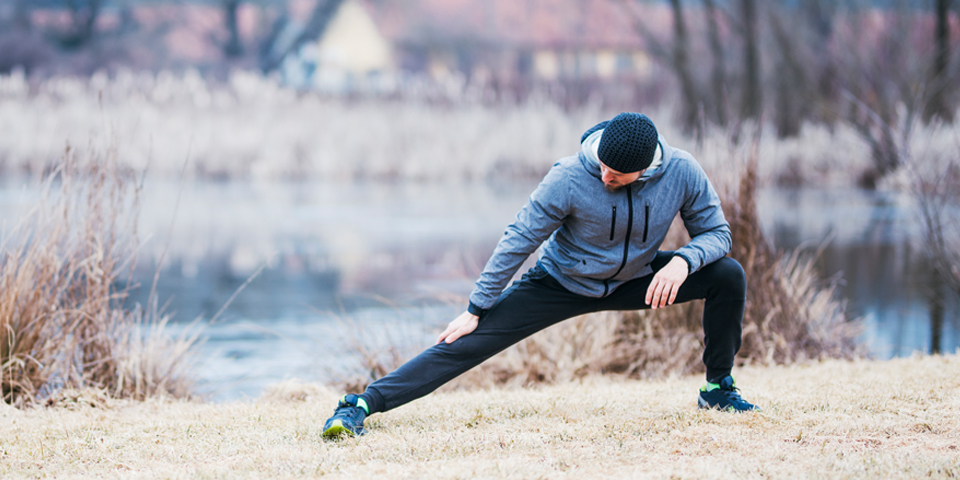
There is a saying that is often used among triathletes. “A winter mile equals a summer smile.” This illustrates the power of off-season triathlon training between one race season and the next. In the Northern Hemisphere, it typically lasts from October or November until March. In the Southern Hemisphere, it typically lasts from May to September. But no matter where you live, here’s your chance to hit the refresh button and build strength, power, endurance, and hone your athleticism without the pressure of looming competition.
So it’s the perfect time to lay the foundations for your best racing season ever. And if you follow the 10 off-season triathlon training tips I’ve learned (sometimes the hard way) over my 13 years as a professional triathlete, you’ll increase your chances of success.
10 tips for off-season triathlon training
1. Take a break
Most professional triathletes begin their offseason by taking a break from structured training, typically two to four weeks, to allow their bodies to fully recover. Meanwhile, they never stop. On the contrary, they stay active and often pursue sports and pastimes other than cycling, swimming, and running, but they also take plenty of breaks from their regular multisport training to recharge both mentally and physically.
Taking a break from triathlons isn’t just good for your body and mind. Failure to rest can increase your risk of overtraining, injury, and burnout, so it’s essential to success in your sport. So, book that vacation you’ve been putting off. Spend time with family and friends you’ve been neglecting during race season. You don’t have to worry about losing some fitness. When you start training again, you’ll not only get back on track quickly, but you’ll also be stronger and healthier than before.
2.Crosstrain
When you return to structured training, keep it varied and varied by incorporating the sports you were working on during your break into your program. Not only will this help break up the monotony of your regular routine and increase your motivation, but it will also help reduce wear and tear on your body as you “build your base” (i.e. build your endurance and aerobic capacity), which is an important part of off-season triathlon training. Skiing, snowshoeing, hiking, mountaineering — the key is to pursue activities that improve your core fitness while keeping you mentally fresh and motivated.
3. Focus on technique
No one is perfect, but the offseason is a time to strive for perfection. Invest in swimming stroke analysis. Participate in a running workshop. Find a coach (see tip 9 for more information). Do whatever it takes to start moving more efficiently. It doesn’t matter if you are an amateur athlete or a professional competitor. Even small improvements to your running form, swimming stroke, and pedal rotation can significantly improve your performance.
4. Strength training
Although triathlon is an endurance sport, strength, power, and speed are still important for success. Triathletes also need bodies that are strong enough to withstand grueling miles on land and in the water. Strength training provides all of that.
Research shows it can improve speed, running economy, power output, stamina, and VO2 Max. It also helps reduce your overall risk of injury. And I know from personal experience that it can make a big difference in performance. I started a lifting-only program in the winter of 2015, and by the spring of 2016 I was deadlifting 1.5 times my body weight. That kind of strength has not only made me a stronger and more powerful competitor, but also allowed me to move more efficiently in all three sports. And it’s incredibly addictive.
The off-season is the perfect time to work on strength training. During race season, your training and race preparation will be more intense, but an all-out program will be too tiring. That doesn’t mean you should stop exercising completely during that period. There’s always room for strength training in triathlon training. But when your schedule starts to get crowded with races, you need to dial back your intensity and focus on mobility.
5. Experiment with new equipment
If you’re looking to upgrade your gear, now is the time. And I’m not just talking about bikes. We used the off-season to test wetsuits, wheels, helmets, and running shoes and make adjustments as needed.
Once race season begins, you don’t want to mess around with untested equipment. Then it can surprise you in a very unpleasant way at a very inappropriate time, such as during a race. So do your homework, seek recommendations from experienced athletes (who tend to have a particular affinity for bike porn), and make sure you’re 100 percent comfortable with your setup so you can iron out any pesky issues before they become serious problems.
6. Pick up the pace (sometimes)
Some coaches say you should stick to low-intensity, steady-state training during the offseason. In my experience, it’s best to mix in some high-intensity work and focus on “some.” You don’t want to push yourself too often and increase your risk of overtraining and injury, but by mixing in one or two interval sessions per week, you can prepare your body for the increased amount of high-intensity training you’re likely to do once the season starts. After giving your body ample opportunity to “reset” (see tip #1) and logging 3-4 weeks of solid endurance training and base building, it’s time to start picking up the pace.
7. Keep it fun
Triathlon may be a solo event, but it’s a sport that fosters strong camaraderie between athletes. Please use it to reduce the monotony of training. Join a local triathlon team, organize a training group with friends, work with a coach, or do whatever you can to make your workouts more social and fun. Research shows that the more fun you have and the more camaraderie you feel, the more likely you are to enjoy the sport and be consistent with your training.
8. Eat healthier
You are what you eat, and if you put garbage in, you also get garbage out. Does that mean your diet has to be 100% correct to see results? Of course not. About 80% of the time it’s fine. But if you pay as much attention to your diet as you do your training, you’ll notice significant improvements in your training, recovery, and performance.
Use the off-season as an opportunity to reevaluate what you eat, when you eat it, and how much you eat. Are you getting enough of all three macronutrients (carbohydrates, protein, and fat)? Are you drinking a protein shake within 30 minutes of finishing a workout? Are you eating enough calories each day to not only increase athletic performance, but also improve athletic performance (strength, speed, and endurance)? Answer these questions and adjust your diet accordingly.
9. Hire a coach
Professional athletes don’t train themselves, so why do they think they can? A coach can provide you with a realistic and objective assessment of your strengths and weaknesses and develop a plan to strengthen the former and reduce the latter, as well as take the guesswork (and the stress that comes with it) out of your training more generally.
Equally important, they can hold you accountable. Having to respond to someone’s absence is a way to encourage consistency. And knowing that you can help someone reach their potential increases motivation. Just like with bikes and equipment (see tip #5), do your homework, ask for recommendations, and interview multiple coaches before hiring a coach. Experience and knowledge are important attributes, but don’t ignore the importance of personality. If you disagree with your coach, it will be very difficult to work with him to develop your athletic abilities.
10. Sharpen your mental game
If you focus only on physical training, your results will change. To achieve your goals, you need to set clear, realistic goals and (perhaps most importantly) set yourself up to think like a champion.
Use the off-season to reflect on your performance from the previous race season and set goals for the next race season. Which training strategies worked for you? Which ones didn’t? Why? What are your goals for the upcoming race season? And what training and performance goals will help you achieve them? Answering these questions will not only help you develop an effective training program, but will also increase your chances of success in competition. Therefore, you will actively work on your confidence, mental stamina, and grit (i.e. your mental game). Need some inspiration? Check out 5 ways to think like a champion.