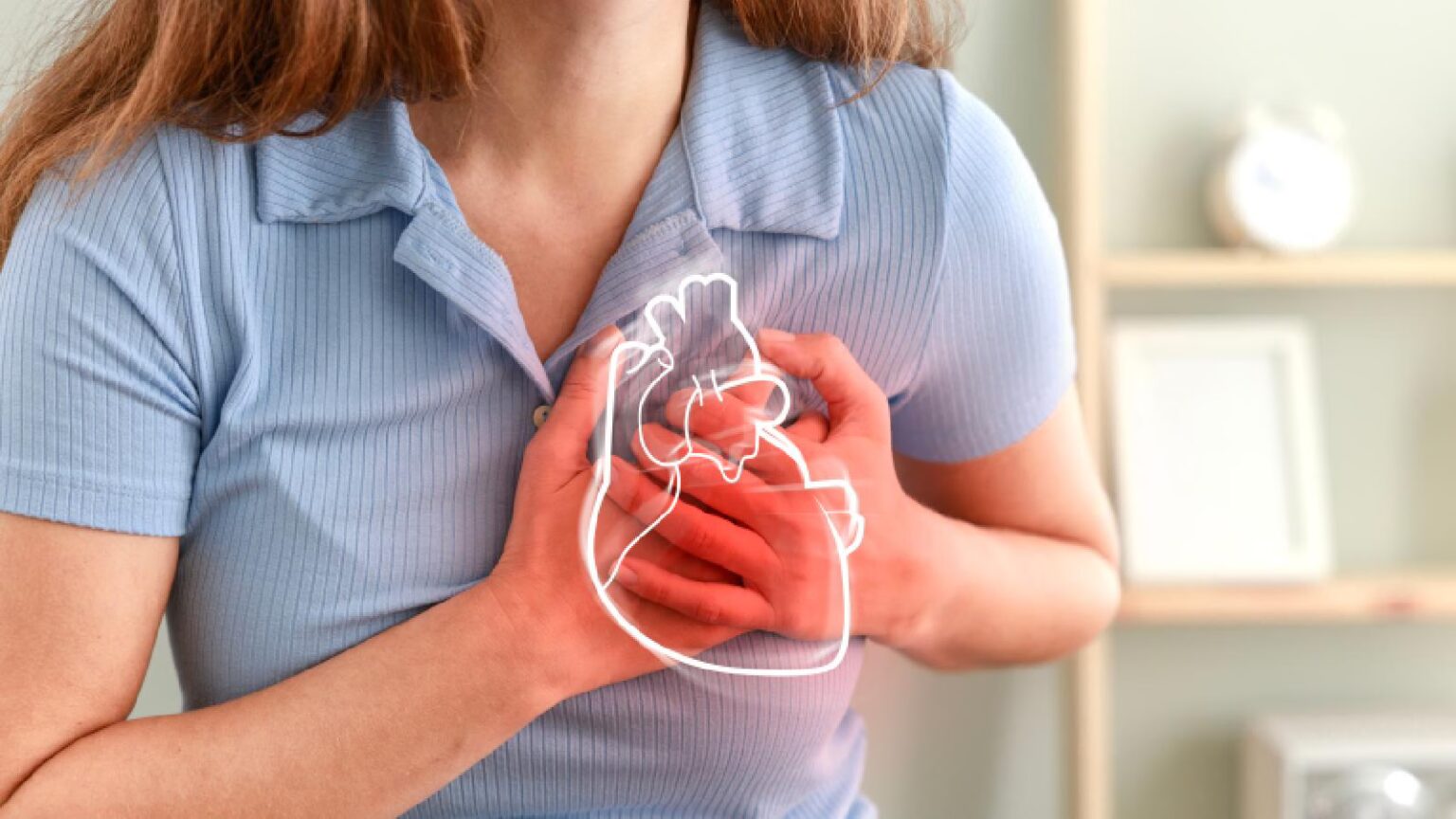
Recognize 10 early signs of heart weakness. Learn the importance of lifestyle choices and regular check-ups in preventing heart disease.
Not all heart diseases have obvious symptoms. Therefore, it is important to recognize even the subtle signs. This can save lives and help ensure timely hospital treatment. Heart attacks can occur suddenly and are often caused by long-term heart disease related to lifestyle choices such as poor diet or lack of exercise. By living a healthy lifestyle and learning about the hidden signs of heart weakness, people can live longer lives.
The heart is a machine that pumps the blood your body needs every millisecond to function. People often overlook that diet, exercise, stress, and sleep can affect heart function. A healthy heart provides your organs with the nutrients and oxygen they need and helps remove toxins. “However, several risk factors such as age, genetics, and lack of exercise can increase the risk of heart disease,” cardiologist Dr. Shubhanan Ray told Healthshot.
According to the World Health Organization (WHO), heart disease is the leading cause of death worldwide, killing nearly 18 million people each year. However, certain risk factors can be reduced by making healthier lifestyle choices.
10 early signs that your heart is weak
Knowing about your body can make a big difference. Here are 10 early signs of heart weakness that you should never ignore.
-
chest discomfort
The main warning sign of heart disease is a feeling of tightness, tightness, or discomfort in the chest. These feelings may seem mild, but they should never be ignored. If you experience this sensation, especially shortness of breath, seek medical attention immediately.
2. Arrhythmia
It’s normal for your heart to race when you’re excited or anxious. However, if your heartbeat becomes irregular, too fast, too slow, or erratic, it may indicate a problem. If you notice these changes occurring frequently, it is important to talk to your health care provider.
3. Pain radiating to the arm
People think that pain in the left arm means a heart attack. If you experience chest pain or discomfort, seek immediate medical attention.
4. Feeling of suffocation
This feeling is like having someone squeeze your throat and is sometimes called angina pectoris. This means the heart may have a problem supplying or pumping blood. If you feel this regularly, see your doctor.
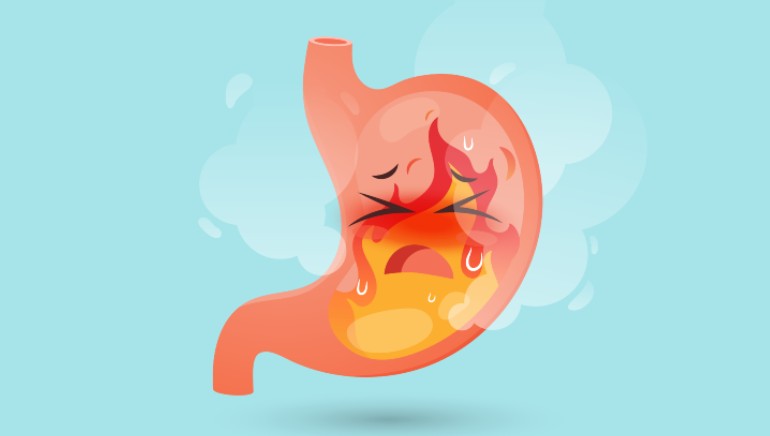
5. Indigestion or abdominal pain
Heart problems may hide behind other symptoms. Women report these symptoms more often when they have heart problems. Be extremely careful if you have unusual digestive problems along with other symptoms.
6. Dizziness or lightheadedness
Fainting or lightheadedness, especially if accompanied by chest pain or shortness of breath, are serious warning signs. If you don’t drink enough water or change your position suddenly, you may experience temporary dizziness, but if it persists, see your doctor to check if your heart is weakened.
7. Ankle swelling
Swollen ankles can occur for a variety of reasons, including fatigue and prolonged sitting. However, if the swelling is severe or persistent, it may indicate heart failure. If you notice significant or ongoing swelling, contact your doctor.
8. Extreme fatigue
We all have days when we feel tired. However, if you are very tired and don’t get better with rest, or if you have other symptoms, it could be a sign of a heart problem. This fatigue may be felt more strongly in women, so don’t ignore it.
9. Snoring
It’s common to snore, but if it’s loud and you’re having trouble breathing or gasping for breath, you may have sleep apnea. This condition can put strain on the heart. Checking your sleep health can reveal many hidden problems.
10. Prolonged cough
A chronic cough that produces white or pink mucus may mean your heart isn’t pumping blood as well. This can cause fluid to build up in the lungs. See your doctor if your cough persists, especially with this type of mucus.
Why regular heart exams are important
Regular health checkups are important to protect your heart. Many heart problems often go undiagnosed because they often have no obvious symptoms. Catching these problems early can make a big difference.
The benefits of regular check-ups for heart health include:
- Early detection: Regular check-ups can help identify health risks and problems before they get worse.
- Timely treatment: New technology allows you to receive advanced treatments tailored to your needs.
- Improved overall health: Regular health checkups can improve your health in many ways, not just your heart health.
- Health tracking: A medical history timeline helps you understand your test results because it shows how your health changes over time.
- Cost efficiency: Treating health problems early is usually cheaper than treating advanced disease.